
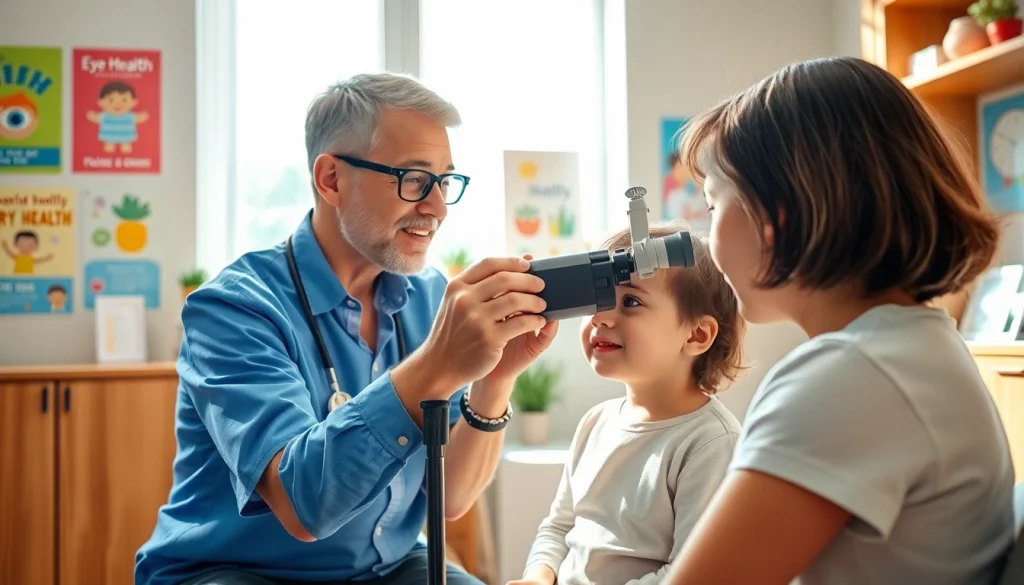
Understanding Eye Health in Children
Eye health is an essential aspect of overall child well-being. Poor vision can affect children’s development, learning, and social interactions. Without proper eye care, many children suffer from undiagnosed and untreated vision problems. Initiatives like Our Children’s Vision aim to address this issue by promoting awareness, education, and access to eye care services for the younger population.
The Importance of Early Vision Screening
Early vision screening is crucial for identifying vision problems that could interfere with a child’s ability to learn and grow. Research shows that many vision issues are not noticeable without a formal screening, which often leads to delays in diagnosis and treatment. Regular eye checks can help catch conditions like amblyopia (lazy eye), strabismus (crossed eyes), and refractive errors.
Screening should start in infancy and continue through the school years. Pediatricians and eye care professionals recommend comprehensive eye exams at specific developmental milestones:
- At 6 months of age
- Between 3-4 years old
- Before entering school (age 5-6)
These appointments can help ensure children can see well, which is essential for their academic performance and social engagement.
Common Vision Problems in Children
Vision issues among children are more common than many parents realize. Here are some typical conditions:
- Refractive Errors: Conditions such as myopia (nearsightedness), hyperopia (farsightedness), and astigmatism affect how well children can see at various distances.
- Amblyopia: Often known as lazy eye, this condition develops when one eye does not achieve normal visual acuity, affecting coordination between the eyes.
- Strabismus: This is characterized by misalignment of the eyes, which can result in double vision or depth perception problems.
- Color Vision Deficiency: Some children may have difficulty distinguishing colors, which is often inherited and can affect learning in some subjects.
Identifying these issues early on can significantly impact treatment effectiveness, making routine screenings vital.
How Our Children’s Vision Addresses These Issues
The campaign behind Our Children’s Vision works tirelessly to mitigate the prevalence of untreated vision problems. Through community outreach and strategic partnerships, they expand access to eye care across various platforms. Their mission emphasizes education on the importance of eye health, ensuring that both parents and children understand the signs of potential vision problems.
The initiative also engages with healthcare providers to increase their awareness of the necessity to conduct pediatric vision screenings routinely. By fostering collaboration, they enhance the delivery of eye care services and ensure more children receive the support they need.
Effective Strategies for Promoting Eye Health
Community Awareness Campaigns
Awareness campaigns play a crucial role in promoting eye health among children. These efforts focus on educating parents and communities about the importance of regular eye examinations and the signs that indicate potential vision problems. By using various platforms, including social media, schools, and community centers, the campaign aims to reach parents, educators, and healthcare providers.
Engaging storytelling can resonate deeply, as families share their experiences and the positive impact of timely eye care. Increasing awareness leads to timely intervention, potentially saving children from long-term consequences associated with untreated vision problems.
Partnerships for Access to Care
Collaborations with schools, healthcare providers, and local organizations can significantly improve children’s access to eye care. Schools can serve as a critical point for outreach, with partnerships facilitating vision screenings on site. Healthcare providers can refer parents to affordable, accessible eye care options, bridging gaps in services.
Moreover, collaborating with organizations committed to children’s health ensures that resources are available for those who might otherwise have limited access. This collaborative approach not only increases the reach of eye care services but also strengthens community ties around a shared focus on health.
Educational Resources for Parents
Empowering parents with knowledge is a cornerstone of fostering eye health in children. Providing educational resources, such as pamphlets, workshops, and online materials, can help parents understand how to identify signs of vision problems and the importance of preventive care.
Topics covered in these resources can include:
- The significance of regular eye exams
- How to recognize potential vision issues early
- Resources available for eye care
By equipping parents with knowledge, they feel more confident in advocating for their children’s eye health, ultimately leading to better outcomes.
Innovative Solutions to Eye Health Access
Mobile Eye Care Clinics
Mobile eye care clinics are an innovative solution designed to bring eye care services directly to communities, especially underserved areas. These clinics are equipped to provide comprehensive eye exams, refractive services, and follow-up care directly at schools or community centers.
This approach reduces barriers to access, ensuring that children who may not otherwise have the opportunity receive essential eye care. Programs using mobile clinics have reported increased participation rates and improved awareness regarding eye health.
Telehealth for Eye Examinations
The digital transformation of healthcare has introduced telehealth as an effective tool for eye examinations and consultations. It offers an opportunity for families to consult with eye care professionals remotely, which is especially beneficial for those living in rural or isolated locations.
Telehealth can cover follow-up appointments, providing ongoing support and guidance to families. It allows healthcare providers to expand their reach while ensuring that families can receive care in a way that is convenient and efficient.
Grants and Funding for Vision Programs
Access to resources is vital for the success of vision programs aimed at children. Grants and funding from various organizations can help sustain and grow initiatives designed to improve eye health. Funding can support a broad range of activities, including:
- Implementation of community education programs
- Development and distribution of educational materials
- Support for mobile clinics and telehealth services
By securing funding, programs can increase their capacity to serve children in need, ultimately improving outcomes in eye care.
Measuring the Impact of Eye Care Initiatives
Key Performance Indicators for Success
To gauge the effectiveness of eye care initiatives, establishing key performance indicators (KPIs) is essential. These metrics can provide insight into various aspects of program performance, such as:
- Screening rates and follow-up examination rates
- Number of children reached through educational outreach
- Improvement in the identification of vision problems
Monitoring these KPIs allows stakeholders to make data-driven decisions, optimize resources, and ultimately serve children better.
Case Studies of Successful Programs
Documenting successful case studies can highlight effective practices and inspire others in the field. These examples can showcase how specific initiatives have led to increased access to care, improved health outcomes, or innovative strategies for reaching communities in need.
Case studies provide real-world evidence that can help secure further support and funding by demonstrating the tangible impacts of initiatives focused on children’s eye health.
Feedback from Families and Communities
Collecting feedback from families and communities involved in eye care initiatives is invaluable for understanding their experiences and identifying areas for improvement. Surveys, interviews, and focus groups can be utilized to gather this information, providing insights into what is working and what could be enhanced.
Such feedback can inform program adjustments, ensuring that initiatives remain responsive to the needs of the community and effectively address the barriers faced by families seeking eye care for their children.
The Future of Children’s Eye Health
Emerging Research in Pediatric Eye Care
Continuous research in pediatric eye care is crucial to improving standards and protocols for treatment and prevention. Ongoing studies focus on understanding the effects of technology on children’s vision, the efficacy of various interventions, and emerging conditions that may benefit from early detection.
This research not only drives advancements in clinical practices but also strengthens advocacy efforts, reinforcing the importance of prioritizing children’s eye health within the broader health care landscape.
Advocacy for Policy Changes
Advocacy plays a crucial role in ensuring children’s eye health issues are addressed at the policy level. Partnerships with community stakeholders, educational organizations, and healthcare providers can help amplify the message regarding the necessity of accessible eye care and the importance of preventative measures.
Successful advocacy can result in legislative changes supporting funding for eye health programs or ensuring that vision screenings are included in regular healthcare for children, ultimately shaping a healthier future.
Your Role in Supporting Our Children’s Vision
Everyone has a part to play in promoting children’s vision health. As parents, educators, and community members, there are several actions you can take:
- Stay informed on the importance of children’s eye health and share this information with others.
- Support local initiatives and programs that aim to improve access to eye care for children.
- Advocate for comprehensive eye examinations and awareness campaigns within your community.
Together, we can make a meaningful difference in the lives of children by ensuring they have access to the vision care they require, supporting the mission of Our Children’s Vision and fostering a future where every child can see and thrive.