Understanding Construction Site Safety
Definition and Importance
Construction site safety is a crucial aspect of the construction industry aimed at preventing injuries, accidents, and fatalities at work sites. This encompasses a variety of measures, regulations, and protocols that aim to protect workers, visitors, and the surrounding community. Effective safety practices not only comply with legal mandates but also foster a culture of care and responsibility among employees, which can lead to increased productivity and morale on site. As highlighted by various studies, maintaining a focus on construction site safety can significantly reduce costs associated with accidents and improve overall project timelines.
Key Regulations and Standards
Various organizations establish safety standards and regulations that govern construction site practices. In many regions, the Occupational Safety and Health Administration (OSHA) in the United States lays out fundamental guidelines that construction companies must follow. These regulations cover numerous aspects, such as the safe use of equipment, proper training for workers, and guidelines for handling hazardous materials. Adherence to such regulations is not only a legal obligation but also reflects a company’s commitment to prioritizing worker safety. Utilizing resources from the construction site safety community can provide invaluable support in ensuring compliance with these standards.
Common Hazards on Construction Sites
Construction sites are fraught with potential hazards that can pose serious risks to workers. Some of the most common hazards include:
- Falls: One of the leading causes of fatalities in construction is falls from heights.
- Electrical Hazards: Contact with live wires or faulty equipment can result in severe injuries.
- Caught-in or Between Incidents: This can occur when workers are caught in machinery or between objects.
- Tool and Equipment Accidents: Improper use of tools can lead to injuries.
- Hazardous Materials: Exposure to toxic substances or harmful chemicals can have long-term health impacts.
Creating a Safety Culture
Training and Awareness Programs
One of the pillars of effective construction site safety is comprehensive training and awareness programs. Employers should design and implement robust training sessions that educate workers about safety protocols, the proper use of personal protective equipment (PPE), and emergency procedures. Regular training refreshers are essential to keep safety practices at the forefront of workers’ minds, as well as integrating new technologies and regulations into training materials. Simulated scenarios can also enhance understanding and prepare workers for real-life situations they may encounter on a construction site.
Encouraging Worker Participation
Building a culture of safety requires active involvement from all workers, not just management. Encouraging feedback on safety procedures and the reporting of near-misses or hazards can empower workers to take ownership of their safety. Creating safety committees or holding regular safety meetings can provide an open forum for discussing concerns and generating new ideas for improving site safety. When workers feel listened to and valued, they are more likely to adhere to safety practices and engage in proactive safety measures.
Ongoing Safety Communication
Effective communication is vital to maintaining a safe construction site. Setting up clear channels for safety communication ensures that vital information is disseminated to all members of the team in real-time. This can include daily safety briefings, safety bulletins, and the use of visual aids such as signs and posters that remind workers of crucial safety practices. By maintaining ongoing dialogue about safety, companies can cultivate a responsive environment where safety is a shared priority.
Implementing Safety Measures
Personal Protective Equipment (PPE) Guidelines
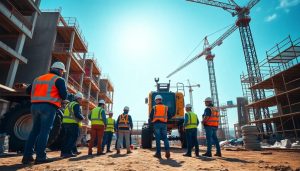
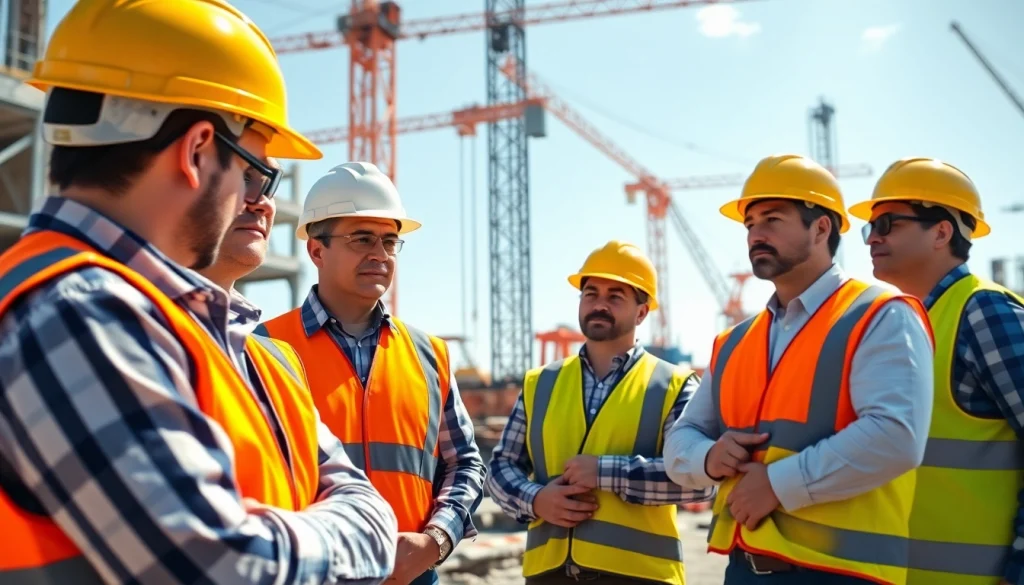
Personal protective equipment (PPE) is indispensable for ensuring construction site safety. Employers must assess the specific hazards present on their job sites and equip workers with appropriate gear. Essential PPE may include hard hats, safety goggles, gloves, high-visibility vests, and suitable footwear to guard against potential injuries. Additionally, employers should provide training on how to correctly utilize and maintain this equipment to maximize its effectiveness. Regular inspections of PPE can help identify wear and replacement needs, further enhancing worker safety.
Site Safety Inspections
Regular site safety inspections are essential to identify hazards and ensure compliance with established safety regulations. Inspections should be carried out by designated safety officers and can help identify areas for improvement before issues turn into accidents. It’s essential to document these inspections and any corrective actions taken, providing a clear record of safety efforts. Engaging workers in these inspections can also foster their understanding of site hazards and reinforce the importance of maintaining a safe working environment.
Emergency Preparedness Plans
Every construction site should have a comprehensive emergency preparedness plan in place. This plan should outline specific procedures for various emergencies, including fires, chemical spills, and severe weather events. Clear evacuation routes, locations of first aid kits, and responsible contacts should be communicated to all workers. Regular drills can ensure that everyone understands their roles during emergencies and can help minimize panic during real situations. This preparedness can be a life-saver and significantly reduce the severity of emergencies if they occur.
Monitoring and Reporting Safety Performance
Establishing Key Performance Indicators (KPIs)
To effectively monitor safety performance, construction companies should establish relevant key performance indicators (KPIs). These KPIs can include metrics such as the number of accidents, near-misses, compliance rates with safety training, and the frequency of safety inspections. By analyzing these metrics regularly, companies can gauge the effectiveness of their safety programs and make necessary adjustments to improve overall safety outcomes on site.
Incident Reporting Procedures
Robust incident reporting procedures are vital for transparency and continuous improvement in construction site safety. Employees should be encouraged to report all incidents, no matter how minor, to foster an environment of accountability and learning. Establishing a straightforward reporting process can help ensure that incidents are documented and investigated promptly. This feedback is essential for understanding the root causes of accidents and can inform future training and safety measures.
Regular Audits and Assessments
Conducting regular safety audits and assessments is crucial for ensuring compliance and identifying areas for improvement. These audits can help measure the effectiveness of safety programs and verify adherence to legal regulations. Engaging third-party safety professionals can provide an unbiased evaluation of a company’s safety culture and practices. Based on audit outcomes, action plans can be developed to address identified issues, reinforcing a commitment to safety at all levels of the organization.
FAQs on Construction Site Safety
What are the main responsibilities for construction site safety?
Every worker is responsible for adhering to safety protocols, while supervisors ensure compliance. Each individual plays a vital role in maintaining a safe working environment.
How often should safety training be conducted?
Safety training should occur regularly, ideally at the start of projects and periodically reviewed to incorporate new practices and regulations.
What gear is essential for construction site safety?
Essential gear includes hard hats, safety goggles, gloves, hi-viz vests, and appropriate footwear to protect against common site hazards.
How can hazards be identified on site?
Hazards can be identified through regular site inspections, comprehensive hazard assessments, and encouraging immediate worker reporting of potential safety risks.
What should be included in an emergency preparedness plan?
An emergency preparedness plan should consist of evacuation procedures, first aid protocols, communication strategies, and comprehensive training for all workers.