
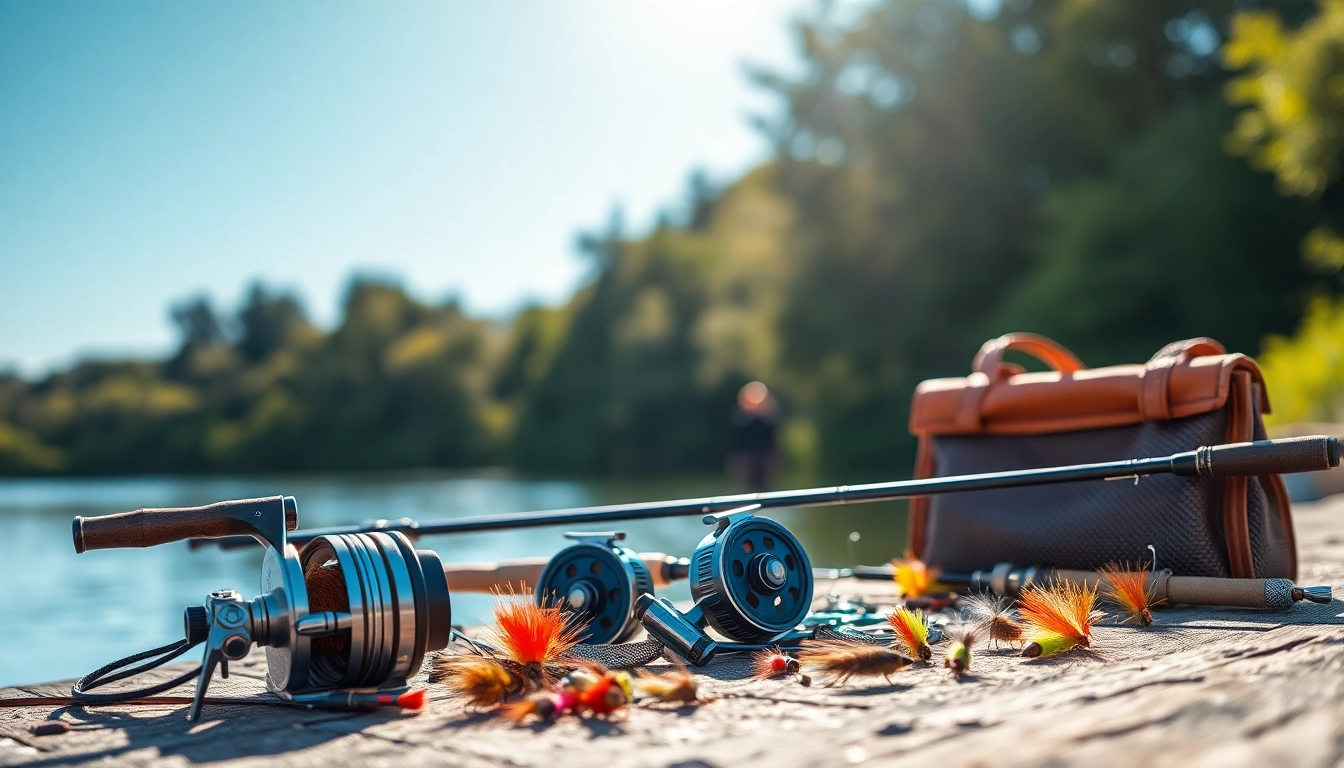
Understanding the Basics of Fly Fishing Kit
Fly fishing is a distinctive blend of art and technique that attracts enthusiasts who appreciate the serenity of nature along with the thrill of the catch. Central to this experience is the Fly fishing kit, a package that combines all the essential tools needed to successfully engage in this sport. In this guide, we will explore the components of a fly fishing kit, how to select the right one, and common pitfalls to avoid for both novice and seasoned anglers.
Components of a Fly Fishing Kit
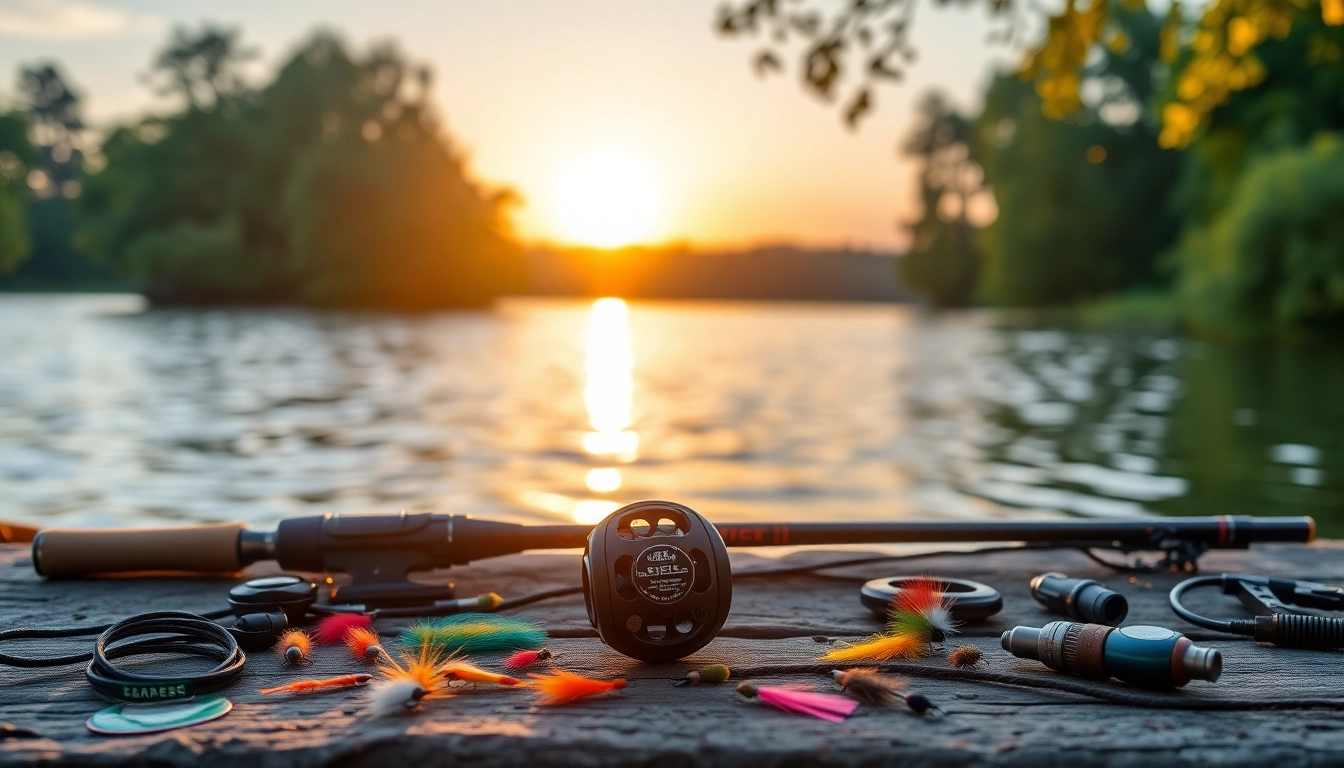
A typical fly fishing kit comprises several crucial components that work in harmony to facilitate an effective fishing experience. Understanding these elements can significantly enhance your time on the water:
- Rod: The backbone of your setup, usually made of materials like graphite or fiberglass for durability and flexibility.
- Reel: This component holds the fly line and allows for controlled casting and retrieving.
- Fly Line: Specifically designed to aid in casting and delivering the fly to the fish.
- Leader Line: A thinner, transparent line that connects the fly line to the fly, allowing for a stealthier presentation.
- Flies: These artificial baits mimic natural food sources and come in various styles to attract different fish species.
- Accessories: This includes tools like nippers, forceps, and floatants, essential for fly fishing.
How to Choose the Right Fly Fishing Kit
Selecting the ideal fly fishing kit involves several considerations. Here’s a step-by-step process to guide you:
- Define Your Target Fish: Different species require different tackle. Research the local fish population and choose your kit accordingly.
- Consider Your Environment: Understand where you will be fishing (freshwater vs. saltwater, lakes vs. streams), as this impacts your gear choice.
- Weight and Length of Rod: Lighter rods (3-5 weight) are great for small streams, while heavier rods (6-10 weight) are suitable for larger bodies of water.
- Your Skill Level: Beginners should consider all-in-one kits designed for ease of use. More experienced anglers might look for customized setups.
- Read Reviews: Peer feedback can provide insights into the quality and effectiveness of specific kits.
Common Mistakes to Avoid with Fly Fishing Kit
No matter your skill level, avoiding these common mistakes can enhance your fly fishing experience:
- Skipping Research: Not understanding target species and environments can lead to poor results.
- Ignoring Kit Compatibility: Ensure all components work together and are age-appropriate.
- Overpacking Accessories: While tools are vital, carrying too many can be cumbersome.
- Neglecting Maintenance: Aging tackle requires regular care; neglecting this can reduce performance.
Types of Fly Fishing Kits Available
Choosing the right fly fishing kit also depends on your intended use. Kits vary widely, making them suitable for different skill levels and fishing scenarios:
Beginner Fly Fishing Kit
Beginner kits typically include all essential components with user-friendly features. They often come pre-spooled, ensuring that novices can easily set up and start fishing without frustration. Look for kits that include various flies and instructional materials to help you learn the basics.
Advanced Fly Fishing Kit
For seasoned anglers, advanced fly fishing kits offer high-quality components tailored for specific fishing techniques or species. These kits allow customization, enabling the angler to select unique lines, premium reels, and specialized flies that suit their style. Some advanced setups even include additional features like reel drags and adjustable rods.
Specialty Fly Fishing Kits
Specialty kits are designed for targeted fishing experiences, such as saltwater fly fishing or specific freshwater species. These kits may include unique equipment adapted to tackle specific challenges, such as heavier lines for ocean fishing or restricted flies for catch-and-release techniques.
How to Use Your Fly Fishing Kit Effectively
Once you have your fly fishing kit, understanding how to utilize it properly is key to a successful outing. This section provides actionable insights to maximize your fishing experience.
Setting Up Your Fly Fishing Kit
Setting up your kit can seem daunting, especially for beginners. Follow these streamlined steps:
- Attach the Reel: Secure your reel to the rod by sliding it into its designated seat.
- Spool the Fly Line: Follow manufacturer instructions to properly spool your fly line onto the reel.
- Attach the Leader Line: Tie the leader line onto the fly line using a surgeon’s knot.
- Choose Your Fly: Select a fly that corresponds to the feeding habits of your target species.
- Check Your Setup: Ensure all knots are tight and the line is free from tangles.
Tactics for Successful Casting
Mastering your casting technique is crucial for effective fly fishing:
- Practice Your Timing: Smooth, precise movements create a better presentation.
- Learn to Double Haul: This technique adds distance to your cast and controls line weight.
- Understand Your Casting Distance: Tailor your approach according to the type of water and fish activity.
Maintenance Tips for Longevity of the Fly Fishing Kit
Proper care extends the life of your fly fishing kit:
- Clean Your Gear: Rinse your rod and reel after each use, especially in saltwater.
- Inspect Line Regularly: Check for nicks or wear on the fly line and replace as necessary.
- Store Correctly: Keep your kit in a temperature-controlled environment to prevent warping or damage.
Where to Buy the Best Fly Fishing Kit
The market for fly fishing kits is evolving, with many options available both online and in physical stores. Here’s where to look:
Online Retailers for Fly Fishing Kit
Online shopping offers convenience and a wider selection of fly fishing kits. Reputable websites often provide detailed descriptions, customer reviews, and photographs that facilitate informed purchasing decisions.
Local Stores Offering Fly Fishing Kit
Local sporting goods stores frequently carry fly fishing gear. Visiting in person allows you to consult with knowledgeable staff and examine products firsthand before buying.
Comparing Prices for the Best Value
Price comparison is crucial. Different retailers may offer distinctive pricing strategies and packages. Evaluating the cost relative to included components and long-term quality can lead you to the best deal on your fly fishing kit.
FAQs About Fly Fishing Kit
What is included in a typical Fly fishing kit?
A typical Fly fishing kit includes a fly rod, reel, fly line, leader line, assorted flies, and essential accessories like nippers and forceps.
Can beginners use a Fly fishing kit?
Yes, a Fly fishing kit designed for beginners often features easy-to-use components and instructional material for a smooth introduction to the sport.
How do I maintain my Fly fishing kit?
Maintain your Fly fishing kit by cleaning it after use, checking for any damaged lines, and storing it properly to prevent wear and tear.
What should I look for in a Fly fishing kit?
Look for compatibility of components, quality materials, suitability for your target fish, and your skill level when choosing a Fly fishing kit.
Are there specific Fly fishing kits for different fish?
Yes, certain Fly fishing kits cater to specific species and environments, offering customized components tailored to your fishing needs.