
Understanding the Importance of Construction Safety Training
Defining Construction Safety Training
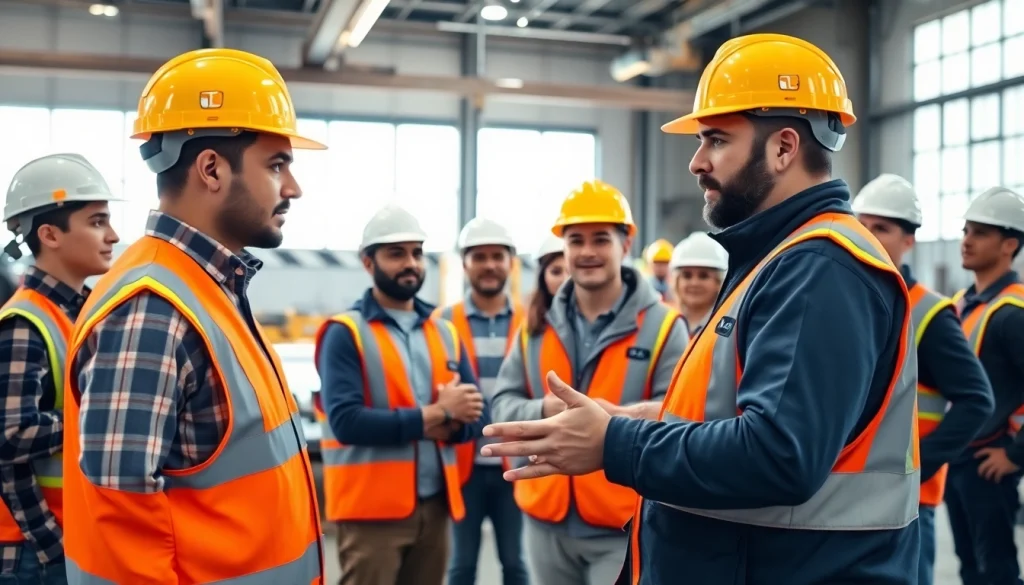
Construction safety training is a systematic approach designed to educate workers about potential hazards, safe work practices, emergency procedures, and the use of personal protective equipment (PPE). This comprehensive training program aims to reduce the risk of accidents and injuries on construction sites, ensuring that workers understand their roles and responsibilities regarding safety. A robust construction safety training curriculum encompasses various topics, such as fall protection, tool safety, and hazard recognition, to foster a culture of safety and compliance within the industry.
Why Safety Training Matters in the Construction Industry
The construction industry is one of the most hazardous sectors, with a high incidence of injuries and fatalities. According to data from occupational safety organizations, construction workers often face risks from falls, electrocution, being struck by objects, and caught-in/between incidents. Therefore, effective safety training is crucial to minimize these risks. Training fosters a proactive approach to safety, encouraging workers to identify dangers before they lead to accidents. Moreover, a well-trained workforce can positively impact a company’s reputation and reduce liability costs by demonstrating a commitment to safety.
Legal Requirements and Compliance Standards
Compliance with safety regulations is mandatory in the construction industry. Various legislations, such as the Occupational Safety and Health Administration (OSHA) standards, mandate that construction companies conduct safety training tailored to the specific hazards associated with their operations. This legal framework not only protects workers but also holds employers accountable for providing a safe work environment. Failure to comply with these regulations can result in significant fines, litigation, and damage to a company’s reputation.
Key Components of Effective Construction Safety Training Programs
Curriculum Development and Structure
Developing a comprehensive curriculum for construction safety training involves a thorough assessment of the specific needs and hazards associated with various construction projects. Key components should include regulatory requirements, specific job site hazards, and best practices to mitigate risks. The curriculum must be structured logically, with a balance between theoretical knowledge and practical application. This ensures that workers can easily absorb the information and apply it on-site. Incorporating multimedia tools such as videos, slideshows, and interactive modules can enhance engagement and understanding.
Incorporating Hands-On Learning Techniques
While theoretical knowledge is essential, hands-on learning techniques are vital for reinforcing safety concepts. Practical training sessions allow workers to experience real-life scenarios in a controlled environment. Techniques such as role-playing, simulations, and interactive workshops can significantly enhance learners’ confidence in applying safety protocols. For instance, practicing the use of fall protection equipment in a simulated environment can prepare workers for actual situations without the associated risks. This experiential learning approach not only increases retention rates but also enables students to adapt their knowledge to various circumstances.
Assessing Learner Engagement and Retention
To ensure the effectiveness of construction safety training programs, it is crucial to monitor and assess learner engagement and retention. Surveys, quizzes, and practical assessments can provide insights into how well participants understand the material. Regular feedback sessions can pinpoint areas needing improvement and can guide the evolution of training programs. Engaging employees in discussions about safety practices can also reinforce learning and commitment to safe practices, creating a sense of ownership over their safety and that of their colleagues.
Utilizing Technology in Construction Safety Training
The Role of Virtual Reality and Simulations
Virtual reality (VR) and simulations have emerged as effective tools in construction safety training, offering immersive experiences that can replicate the complexities of real job sites. VR technology allows workers to practice responding to hazardous situations in a safe, controlled environment, helping to build their confidence and decision-making skills without jeopardizing safety. These immersive experiences can significantly enhance engagement and retention, as learners are more likely to remember trainings that involve active participation rather than passive learning.
Online Training Platforms and Resources
With advances in technology, online training platforms have become increasingly popular for delivering construction safety training. These platforms provide flexibility to workers, allowing them to complete training modules at their own pace and convenience. Quality online courses should feature engaging content, including videos, quizzes, and interactive elements, to maintain learner interest. They can also effectively cater to a geographically dispersed workforce, enabling companies to unify their training standards across multiple locations.
Measuring the Impact of Technology on Learning Outcomes
To determine whether the integration of technology is improving safety training outcomes, it is essential to measure its impact rigorously. This can be done through various performance metrics, including passing rates on assessments, frequency of safety incidents pre- and post-training, and employee feedback on the training experience. Analyzing this data helps organizations understand which technologies offer the most value and allows for continual refinement of training programs.
Evaluating the Effectiveness of Training Programs
Performance Metrics to Track Progress
Establishing clear performance metrics is essential for evaluating the effectiveness of construction safety training programs. Key indicators include the frequency of workplace incidents, employee competency assessments, and surveys that gauge worker perceptions of safety culture. Tracking these metrics over time allows companies to identify trends, measure improvements, and justify investments in training programs. For instance, a significant reduction in accident rates may directly correlate with targeted training efforts, indicating a successful program.
Feedback Mechanisms and Continuous Improvement
Feedback mechanisms are crucial for continuous improvement in construction safety training. Implementing regular debrief sessions, anonymous surveys, and open forums for discussion can provide employees with a platform to express their concerns and suggestions. This feedback is invaluable for refining training materials and addressing any knowledge gaps or misconceptions. Continuous improvement fosters a culture of ongoing safety and accountability, ensuring that the training remains relevant in a rapidly evolving industry.
Case Studies of Successful Implementation
Examining case studies of organizations that have successfully implemented construction safety training programs can offer valuable insights. For instance, a construction firm that integrated VR technology into its safety training saw a notable decrease in safety incidents by over 30% within a year. Similarly, another company enhanced knowledge retention by pairing comprehensive online training with weekly safety check-ins, resulting in a much safer work environment. Learning from these examples can guide other enterprises in crafting their own effective training strategies.
Frequently Asked Questions about Construction Safety Training
What are the main objectives of construction safety training?
The main objectives include preventing accidents, ensuring compliance with regulations, and fostering a culture of safety that protects workers and enhances productivity.
How often should construction safety training be conducted?
Training should occur regularly, typically on an annual basis, or whenever new equipment, technologies, or processes are introduced that could affect worker safety.
What topics are typically covered in safety training?
Common topics encompass fall protection, hazard communication, proper PPE usage, emergency response procedures, and equipment safety protocols to ensure a comprehensive understanding of safety.
Is online safety training as effective as in-person training?
Online safety training can be effective if it includes interactive elements and assessments; however, in-person training may enhance engagement and practical knowledge application.
What are some signs that a safety training program is successful?
Success indicators include reduced incident rates, positive employee feedback, improved safety compliance, and a heightened awareness of safety practices among workers.