

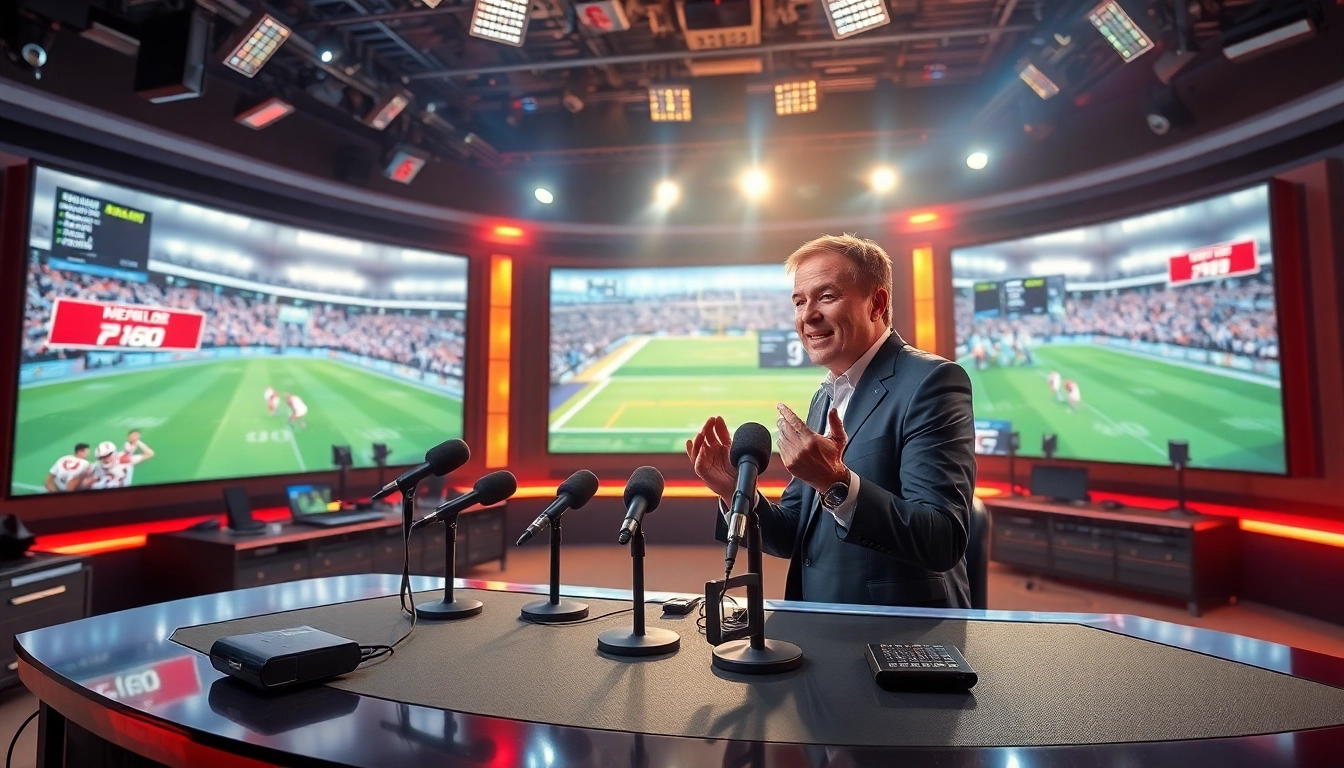
The Evolution of Sports Broadcasting
Sports Broadcasting has undergone a remarkable transformation since its inception. The way audiences experience live sporting events has changed dramatically with technological advancements and shifts in consumer behavior. The rise of digital platforms alongside traditional media has created a more immersive and engaging viewing experience. Sports Broadcasting today is not just about the game itself; it encompasses a multifaceted interaction between fans, analysts, and broadcasters.
History of Sports Broadcasting
The history of sports broadcasting dates back to the early 20th century. The first radio broadcasts of sporting events occurred in the 1920s, and by mid-century, television began to revolutionize how fans consumed sports. Baseball games were among the first telecast, capturing the hearts of millions. Over the decades, more sports found their way to screens, with iconic moments broadcasted that have become intertwined with cultural history.
Technological Advancements
The advent of high-definition technology, satellite communications, and internet streaming has defined the modern broadcasting era. From 4K broadcasts to enhanced audio-visual technologies like Dolby Atmos, these innovations have elevated the spectator experience. The introduction of smart devices and apps also means that fans can engage with their favorite sports anytime, anywhere, often with features like multi-camera views and real-time statistics.
Key Milestones in Sports Broadcasting
Some key milestones include the first televised Super Bowl in 1967, the explosion of cable sports networks in the 1980s, and the introduction of ESPN in 1979, which forever changed the landscape of sports media. More recently, the rise of social media platforms has allowed fans to share experiences and engage in real-time discussions, adding a new layer to how sports are consumed and enjoyed.
Understanding Audience Engagement
Understanding the audience is a critical component of effective sports broadcasting. Engaging fans is not just about providing quality content; it’s about creating a two-way conversation that enhances the viewer experience.
Identifying Target Demographics
Identifying target demographics involves analyzing factors such as age, location, and interests. For example, younger audiences may prefer online streaming and highlight reels, while older generations might favor traditional broadcasting. By understanding these demographics, broadcasters can tailor their content to meet the unique needs of various audience segments.
Leveraging Social Media
Social media is an invaluable tool for engaging audiences. Platforms like Twitter, Facebook, and Instagram offer live updates, behind-the-scenes content, and direct interaction with fans. Broadcasters can leverage these platforms to amplify their reach and enhance viewer engagement by promoting discussions around games and events.
Creating Interactive Content
Interactive content, such as polls, quizzes, and live Q&A sessions, actively involves the audience and increases viewer investment in the broadcast. By creating opportunities for fans to participate directly, broadcasters foster a sense of community around the sport, building loyalty that keeps audiences coming back.
Halting Common Sports Broadcasting Pitfalls
In the rapidly evolving world of sports broadcasting, many challenges can hinder broadcast quality and audience satisfaction. Recognizing these pitfalls and finding ways to mitigate them is crucial.
Avoiding Technical Malfunctions
Technical issues such as poor video quality, audio problems, or interrupted transmissions can significantly detract from the viewer’s experience. It’s essential to have rigorous testing protocols in place before a broadcast, ensuring all equipment is functioning correctly. Continual technical education for staff can also minimize these disruptions.
Navigating Legal Regulations
Legal regulations surrounding broadcasting rights can be complex. Knowledge of licensing agreements and compliance with broadcasting laws is vital. Broadcasters must work closely with legal teams to ensure they are broadcasting within legal parameters to avoid penalties and disruptions in service.
Managing Viewer Expectations
Managing viewer expectations involves clear communication about what audiences can expect from a broadcast. Whether it’s coverage of lesser-known sports or minor leagues, providing transparency helps maintain trust and enhances viewer loyalty. Setting realistic expectations allows audiences to appreciate the programming and its offerings fully.
Best Practices for Effective Sports Broadcasting
Implementing best practices can significantly enhance the quality and effectiveness of sports broadcasting.
Preparing Broadcasts with Precision
Preparation is key in sports broadcasting. This includes thorough research on teams, players, match history, and potential narratives to enrich the storytelling aspect of the broadcast. Comprehensive prep leads to insightful commentary and a seamless broadcast experience.
Engaging Commentary Techniques
Commentary should engage viewers without overwhelming them. Techniques such as storytelling, using humor, and dynamically reacting to events as they unfold keep audiences engaged. Broadcasters should also be adept at providing context that enhances the viewers’ understanding of what they are seeing.
Utilizing Data and Statistics
Data analytics has become invaluable in sports broadcasting. Leveraging statistics for player and team performance not only adds depth to the broadcast but helps inform and entertain the audience. Presenting data visually can also enhance understanding and retention among viewers.
Measuring Success in Sports Broadcasting
Measuring success in sports broadcasting involves analyzing various metrics and feedback mechanisms to gauge performance and audience satisfaction.
Key Performance Indicators
Key Performance Indicators (KPIs) such as viewer ratings, engagement levels, and subscriber growth are crucial for assessing broadcast success. Broadcasters should regularly review these metrics to identify trends and make informed decisions about content and strategy.
Audience Feedback and Analysis
Soliciting feedback from the audience through surveys and social media interactions can provide valuable insight into viewer preferences. This information can guide future programming decisions and enhance the overall viewing experience.
Strategies for Continuous Improvement
Continuous improvement should be an integral part of a broadcaster’s strategy. Regularly analyzing performance metrics, audience feedback, and industry trends will help broadcasters adapt and evolve. Implementing training sessions for staff and utilizing new technology will also foster an environment of growth and innovation.
Frequently Asked Questions
What is sports broadcasting?
Sports broadcasting involves transmitting live or recorded sports events through various media, including television and online platforms, to engage viewers.
How has technology changed sports broadcasting?
Technology has transformed sports broadcasting by introducing high-definition video, live streaming, and interactive features that enhance viewer experiences and engagement.
What skills are essential for sports broadcasters?
Key skills include strong communication, in-depth sports knowledge, the ability to analyze statistics, and the capacity to engage with audiences dynamically.
How can I improve my sports broadcasting skills?
Practice is vital! Watching experienced broadcasters, gaining feedback, and continuously studying sports can enhance your skills and on-air performance.
What metrics are important in measuring sports broadcasting success?
Important metrics include viewer ratings, engagement levels, social media interactions, and audience feedback, which provide insights into the effectiveness of broadcasts.