Understanding the Importance of Clean Loofahs
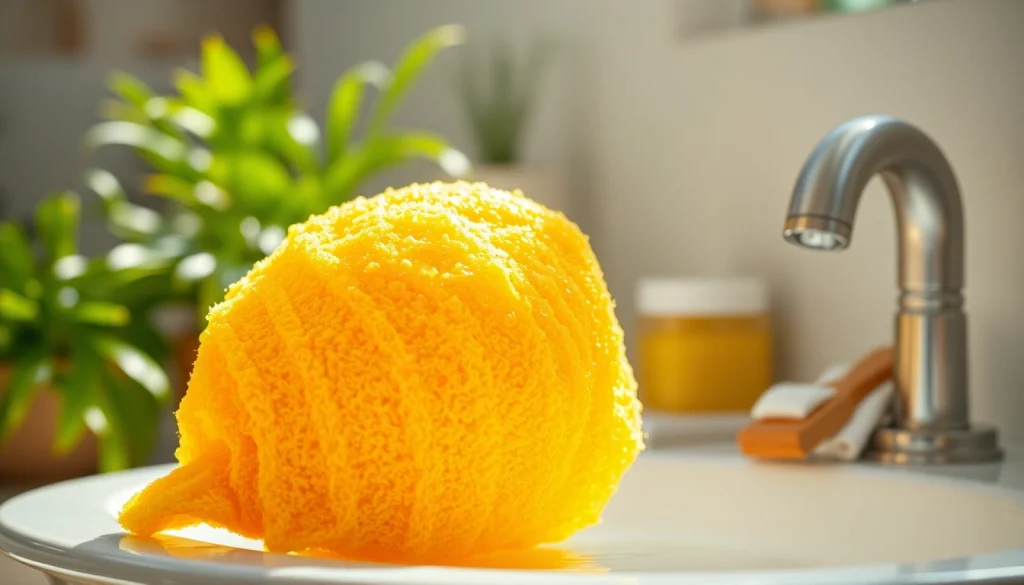
Loofahs are a popular choice in personal care routines for their exfoliating properties. Regularly using a loofah helps remove dead skin cells, promoting a smooth and glowing complexion. However, many people are unaware of the importance of proper cleaning. How to clean a loofah effectively is essential for maintaining hygiene and maximizing its benefits.
Why Clean Your Loofah Regularly?
Cleaning your loofah regularly is crucial for several reasons. First and foremost, loofahs can harbor bacteria, mold, and mildew due to their porous nature and the moisture they retain. Regular cleaning helps eliminate these harmful microorganisms, minimizing the risk of skin infections and irritations. Furthermore, clean loofahs perform better, providing a more effective exfoliation and leaving your skin feeling fresh and rejuvenated.
Health Risks of Unclean Loofahs
Neglecting to clean your loofah can lead to various health issues. Bacteria such as Staphylococcus aureus can thrive in damp loofahs, potentially leading to skin infections. Additionally, mold can provoke allergic reactions and asthma symptoms. This highlights the importance of making loofah cleaning a routine part of your personal hygiene practices. Protecting your skin from germs and allergens ensures a healthier bathing experience.
Signs of a Dirty Loofah
Recognizing when your loofah needs cleaning is critical in maintaining hygiene. Some common signs of a dirty loofah include:
- Discoloration or stains on the surface.
- An unpleasant or foul odor.
- A slimy texture, indicating the presence of bacteria.
- Visible mold or mildew growth.
If you notice any of these signs, it is time to clean or replace your loofah to ensure your skin remains healthy and vibrant.
How to Clean a Loofah Naturally
Cleaning your loofah does not have to involve harsh chemicals. With natural cleaners, you can effectively disinfect your loofah while being gentle on your skin and the environment.
Recommended Natural Cleaners
Several natural substances can be used for cleaning loofahs. Some effective options include:
- Vinegar: A natural disinfectant known for its antibacterial properties.
- Baking Soda: Acts as a gentle abrasive that removes grime and odors.
- Lemon Juice: Contains citric acid, which acts as a natural bleach and deodorizer.
- Tea Tree Oil: Known for its antifungal and antibacterial properties.
Step-by-Step Cleaning Process
To clean your loofah naturally, follow these simple steps:
- Start by rinsing the loofah under warm water to remove any surface debris.
- If using vinegar, mix equal parts of vinegar and water in a bowl. Submerge the loofah and let it soak for about 30 minutes.
- If using baking soda, sprinkle a generous amount directly on the wet loofah and scrub gently with your hands.
- For lemon juice cleaning, apply fresh lemon juice and let it sit for about 15 minutes before rinsing.
- Once cleaned, rinse thoroughly under cool running water until all residues have been washed away.
Drying and Storing for Longevity
After cleaning, it’s essential to dry your loofah correctly. A well-dried loofah reduces the chances of bacteria and mold growth:
- Press out excess water and hang the loofah in a well-ventilated area.
- Avoid storing loofahs in damp areas like the bathroom cabinet.
- Consider using a hook or a drying rack that allows air circulation around the loofah.
Common Mistakes When Cleaning a Loofah
Understanding common missteps in loofah hygiene can enhance the effectiveness of your cleaning routine.
Using Harsh Chemicals
Many people mistakenly rely on harsh commercial cleaners to sanitize their loofahs. While these products can kill germs, they may also irritate the skin or leave harmful residues. Opting for natural cleaners not only protects your skin but also prolongs the life of your loofah.
Incorrect Drying Techniques
Improper drying techniques can foster an environment for bacteria to thrive. Avoid placing your loofah in a closed container; instead, allow it to air dry completely. Refrain from leaving it in a wet shower environment, which can compromise its cleanliness.
Disposing of Old Loofahs
Knowing when to replace your loofah is as critical as cleaning it. Many users hold onto a loofah even when it’s worn out. A change in texture, an increase in odors, or visible mold are signs you need to dispose of it. Most experts recommend replacing a loofah every 3-4 weeks.
Maintaining a Fresh Loofah: Best Practices
Incorporating specific practices can help keep your loofah fresh and clean for a longer time.
Routine Cleaning Schedule
Establishing a cleaning schedule is essential for maintaining a hygienic bathing experience. Clean your loofah at least once a week, or more frequently if you’ve been sick or frequently use it during workouts. Consistent cleaning minimizes bacteria buildup and ensures better skin health.
Alternatives to Traditional Loofahs
If you’re concerned about the upkeep of traditional loofahs, consider alternative exfoliating tools such as:
- Exfoliating gloves: Easy to clean and dry quickly.
- Washcloths: Can be laundered regularly, ensuring cleanliness.
- Silicone sponges: Non-porous, making them less prone to bacterial growth.
How to Spot Potential Problems
Keep an eye out for signs of wear and tear on your loofah. A frayed or deteriorating surface can harbor bacteria more readily. Regularly inspect for changes in odor, color, or texture, which may indicate a need for cleaning or replacement.
Frequently Asked Questions
How often should I clean my loofah?
You should clean your loofah at least once a week to prevent bacteria buildup and ensure skin health.
Can I clean a loofah in the washing machine?
Yes, you can clean a loofah in the washing machine using a gentle cycle, but ensure it’s air-dried afterward to prevent moisture retention.
What is the best way to dry a loofah?
The best way to dry a loofah is to hang it in a well-ventilated area, away from moisture, so it can air dry completely.
How do I know when to replace my loofah?
Replace your loofah when it shows signs of wear, such as fraying, odors, or mold growth, usually every 3-4 weeks.
Can I use vinegar to clean my loofah?
Yes, vinegar is an effective natural cleaner that helps disinfect and deodorize your loofah.