
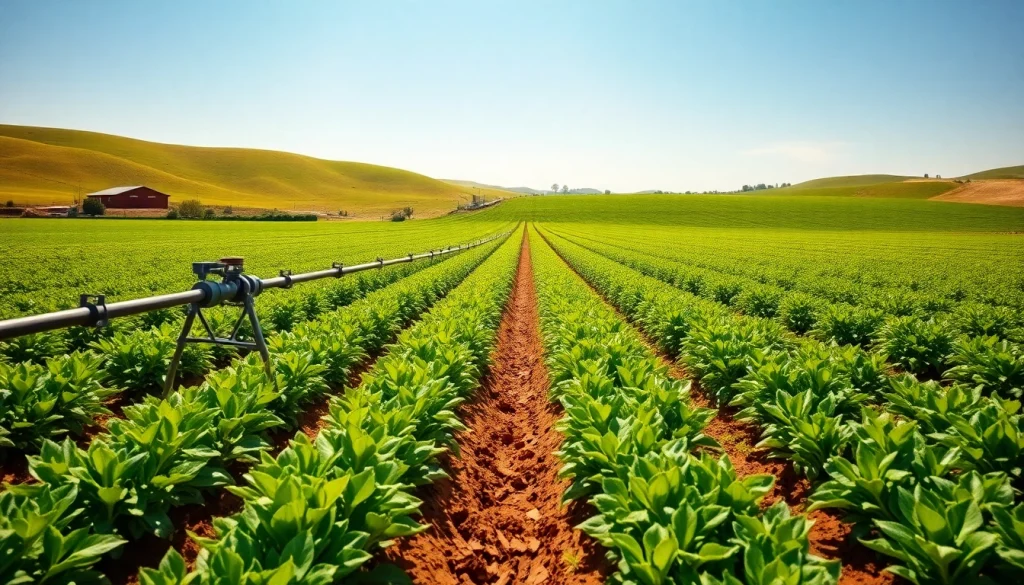
Understanding Land Irrigation
Definition and Importance of Land Irrigation
Land irrigation is the artificial application of controlled amounts of water to crops in order to assist in their growth. Unlike rain-fed agriculture, which relies solely on natural precipitation, land irrigation provides a reliable water source during periods of dry weather. This method of water management is pivotal in maximizing agricultural productivity, protecting crops from drought, and ensuring optimal growth conditions.
With increasing global temperatures and shifting weather patterns, the importance of an efficient land irrigation system cannot be understated. It helps sustain food production systems globally, particularly in arid and semi-arid regions, thus supporting communities and economies dependent on agriculture. Moreover, adopting advanced land irrigation techniques can conserve resources and improve crop yields sustainably.
Types of Land Irrigation Systems
There are several methods of land irrigation, each with distinct advantages and challenges. The primary types include:
- Surface Irrigation: Water flows over the soil surface and is absorbed by the plants through gravity. It is less costly to implement but can lead to inefficiencies in water usage if not managed properly.
- Drip Irrigation: This system delivers water directly to the root zone through a network of tubing, minimizing runoff and evaporation. It is highly efficient and ideal for crops requiring precise moisture levels.
- Sprinkler Irrigation: Water is sprayed onto crops through a system of pipes and pumps, simulating rainfall. It can cover large areas and is versatile for various land types but may involve higher initial investment costs.
- Subsurface Irrigation: Like drip irrigation, but the tubing is buried beneath the soil surface, providing moisture directly to the root zone while minimizing evaporation losses.
Key Benefits of Efficient Land Irrigation
Implementing efficient land irrigation practices brings multiple benefits:
- Enhanced Crop Yields: By providing a consistent water supply, crops can reach their full growth potential.
- Drought Mitigation: Areas subject to water shortages can maintain agricultural output, thus impacting local economies positively.
- Improved Soil Health: Smart irrigation systems can help prevent soil erosion and maintain soil fertility through controlled water application.
- Resource Conservation: Advanced irrigation techniques reduce water wastage and optimize usage, leading to more sustainable agricultural practices.
- Adaptability to Climate Change: Immediate adjustments can be made in irrigation techniques to address changing weather patterns and optimize planting schedules.
Choosing the Right Land Irrigation Method
Comparison of Drip and Sprinkler Irrigation
Both drip and sprinkler irrigation systems have unique advantages, and the choice between them depends on the specific needs of the crop and the available resources. Drip irrigation is known for its precision; it minimizes water usage and reduces growth disruptions caused by wet foliage. However, it requires an initial investment in technology and regular maintenance to prevent clogging.
On the other hand, sprinkler irrigation is suitable for larger fields and can be deployed quickly over different terrains. It has a higher initial cost and can sometimes lead to water loss through evaporation and wind drift. Ultimately, the choice between drip and sprinkler irrigation must factor in crop type, water availability, budget constraints, and long-term sustainability goals.
Factors Influencing Method Selection
Choosing the appropriate land irrigation method is influenced by several key factors:
- Crop Requirements: Different crops have varying water needs, with some requiring more moisture than others. Understanding these requirements is crucial in selecting the right system.
- Soil Type: Soil permeability and texture significantly affect water retention and availability, requiring different irrigation approaches.
- Climate Conditions: The local climate, especially rainfall patterns and temperature, will influence the effectiveness and efficiency of irrigation methods.
- Available Resources: Access to financial resources, water supply, and technological support also dictate what irrigation systems can be realistically implemented.
Cost Considerations for Land Irrigation
The financial aspect of implementing a land irrigation method can vary widely. Initial setup costs, maintenance expenses, water source availability, and operational costs must be evaluated. Drip irrigation systems typically have higher upfront costs but can lead to savings in water usage over time. Conversely, sprinkler systems may be cheaper to install initially but could incur higher water costs and wastage if not managed carefully. Conducting a cost-benefit analysis is essential for determining the most effective method in the long run.
Implementing Land Irrigation Best Practices
Soil Preparation and Crop Selection
Effective land irrigation starts with rigorous soil preparation and thoughtful crop selection. Soil should be adequately tested to determine its nutrient content and water-holding capabilities. Amending the soil with organic matter or fertilizers may be necessary for optimal crop health. Additionally, selecting crops that are compatible with the chosen irrigation method and local conditions can significantly enhance productivity and resource efficiency.
Scheduling and Monitoring Techniques
Implementing a well-structured irrigation schedule is vital. This involves determining when and how much water to apply, based on factors such as soil moisture levels, weather forecasts, and crop growth stages. Utilizing technology like soil moisture sensors can aid in precise water application and timing. Regular monitoring ensures that crops receive the right amount of water while avoiding over-irrigation, which can lead to root rot and other issues.
Maintenance of Irrigation Systems
Regular maintenance of irrigation systems is crucial for their successful operation. This includes checking for leaks, clogs, and proper functioning of pumps and valves. A maintenance schedule should be created that allows for timely inspections and repairs to avoid disruptions during the growing season. Education on best practices and training for personnel can prevent costly mistakes and enhance system longevity.
Technology in Land Irrigation
Innovations in Water Management
Technological advancements have transformed land irrigation practices. Innovations such as automated irrigation systems, remote sensing technology, and weather prediction software allow for more precise water management. These technologies help farmers apply the correct amount of water at the ideal times, reducing waste and maximizing crop output while ensuring environmental stewardship.
Role of Smart Technology in Irrigation
Smart irrigation technologies, including IoT-based sensors and smartphones, enable farmers to monitor and control their irrigation systems remotely. These tools provide real-time data on soil moisture levels, weather alerts, and system performance, allowing for dynamic adjustments to irrigation plans. As a result, farmers can achieve higher efficiency and lower operational costs, adapting quickly to changing conditions.
Future Trends in Land Irrigation
The future of land irrigation is likely to involve an integration of advanced technologies, sustainable practices, and climate resilience strategies. Trends such as precision agriculture, where small adjustments in input and management are made based on data, will become more prevalent. Additionally, the focus will shift towards renewable energy sources for powering irrigation systems, ensuring that water management remains sustainable in the face of climate change.
Measuring Success in Land Irrigation
Key Performance Indicators for Irrigation
Measuring the effectiveness of land irrigation practices involves assessing various Key Performance Indicators (KPIs). These may include:
- Water Use Efficiency (WUE): The ratio of crop yield to the amount of water used.
- Crop Yield: The total output produced per hectare, informing about the productivity of the irrigation system.
- Soil Moisture Levels: Regular monitoring helps ensure that crops receive adequate hydration.
- Operational Costs: Tracking implementation and maintenance costs to evaluate financial efficiency.
Environmental Impact Assessment
Conducting an environmental impact assessment can help gauge how irrigation practices affect the surrounding ecosystem. This includes evaluating water sources, impacts on local wildlife, soil health, and any risks of salinization or runoff. Understanding these factors allows for adjustments to be made that minimize adverse effects while promoting sustainable agriculture.
Adaptive Management Practices
Adaptive management practices involve adjusting irrigation strategies based on ongoing evaluations and insights gained from monitoring and assessment. This approach enables farmers to be more responsive to challenges such as climate variability and water scarcity, ultimately leading to more sustainable land irrigation practices. Implementing feedback loops ensures continuous learning and improvement in irrigation efficiency and productivity.
Frequently Asked Questions
What is land irrigation?
Land irrigation is the artificial application of water to crops to enhance growth and ensure food production, particularly in dry areas.
What are the main types of land irrigation systems?
The primary types include surface, drip, sprinkler, and subsurface irrigation, each suited for different agricultural needs and conditions.
How do I choose the right land irrigation method?
Factors to consider include crop requirements, soil type, climate conditions, and available resources, which affect the efficacy of each system.
What are the benefits of efficient land irrigation?
Efficient land irrigation enhances crop yields, conserves water, reduces the impact of drought, and promotes soil health.
How can technology improve land irrigation?
Technology enhances irrigation through automation, real-time data monitoring, and precision management, allowing for optimal water application and resource management.