
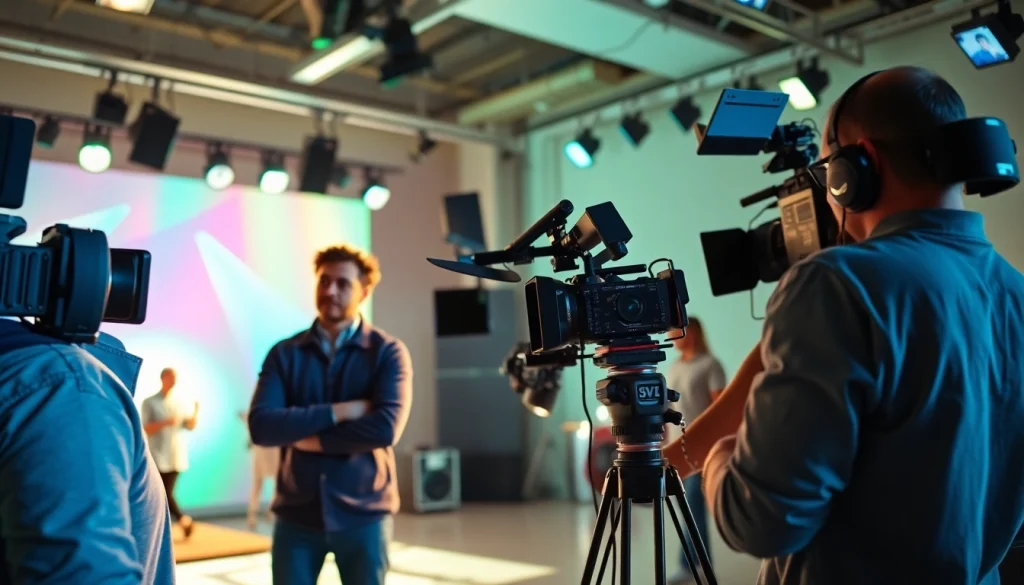
Understanding Video Production
Definition and Importance of Video Production
Video production refers to the entire process of creating video content, encompassing all aspects from conception to final distribution. It is an art form that combines various creative and technical processes, including writing, filming, editing, and more. The importance of video production in today’s media landscape cannot be overstated. Videos have become a dominant medium for communication, marketing, and entertainment, making professional video production a crucial component for brands looking to engage their audiences and convey their messages effectively.
In the digital age, effective storytelling through video can enhance brand awareness, boost engagement on social media, and drive conversions. Companies investing in video production often find that their content resonates more strongly with audiences, leading to better results in communication and marketing efforts. Understanding the various facets of video production is vital for both aspiring filmmakers and seasoned marketing professionals.
Key Stages of Video Production
The video production process typically unfolds in five key stages: pre-production, production, and post-production, along with planning and development. Each stage plays a crucial role in ensuring the final product is effective and polished.
1. Pre-Production
Pre-production involves all the preparatory work that occurs before filming begins. This includes brainstorming ideas, developing a script, casting talent, and creating a shooting schedule. Proper planning in this phase is essential as it lays the groundwork for the entire project.
2. Production
Production is the actual phase of capturing the video content. It involves operating cameras, lighting, set building, and directing talent. It’s important to keep the production team organized and focused during this stage to ensure the vision comes to life.
3. Post-Production
Post-production encompasses editing the raw footage, adding visuals and audio elements, color grading, and finalizing the content for distribution. This phase is where the project truly takes shape and can vary significantly based on the project’s complexity.
Common Tools and Equipment in Video Production
Utilizing the right tools and equipment is fundamental to successful video production. Essential gear includes cameras, tripods, lighting kits, microphones, and editing software. The choice of equipment can greatly influence the quality and deliverability of the final video.
High-definition cameras and drones have increasingly become popular for capturing stunning visuals, while professional audio equipment is crucial for clear sound. Selecting appropriate tools based on the specific requirements of each project ensures that the production runs smoothly and efficiently.
Planning Your Video Production
Concept Development and Scriptwriting
The heart of any successful video begins with a strong concept and script. Concept development involves identifying the main idea behind the video and determining how best to convey it. This may include creating storyboards or outlines to visualize scenes and transitions.
Scriptwriting is a vital part of this phase as it dictates the dialogue and actions of the film. An effective script should capture the audience’s attention while clearly delivering the intended message. Collaboration between writers, directors, and other key stakeholders can enhance the script’s effectiveness.
Budgeting for Video Production
Setting a realistic budget is crucial for any video project, as costs can quickly escalate. A comprehensive budget includes expenses related to crew wages, equipment rental, location fees, props, wardrobe, and post-production services. Accounting for possible contingencies is wise to accommodate unexpected costs.
It’s also beneficial to explore various funding options, including grants, sponsorships, or crowdfunding, to bolster the budget. Maintaining transparency about expenditure and adhering to the budget throughout the production process ensures financial feasibility.
Creating a Production Timeline
A well-structured production timeline is essential for keeping the project on track. It serves as a roadmap outlining the various stages of the production process, deadlines for tasks, and key milestones. This timeline should include pre-production preparations, shooting days, and post-production deadlines to ensure all team members are aligned and aware of their responsibilities.
Regular updates and flexibility in the timeline can help navigate unexpected changes or delays, ultimately supporting the efficient completion of the project.
Executing the Video Production
Production Best Practices
Executing production effectively requires adherence to best practices to ensure high-quality outcomes. Key practices include maintaining clear communication amongst the crew, sticking to the script while allowing for some creative flexibility, and continually reviewing footage to ensure alignment with the vision.
It’s crucial to prioritize safety on set, ensuring that all crew members are aware of protocols and that equipment is used correctly. Conducting regular equipment checks and having backups in place can prevent interruptions during the shooting schedule.
Location Scouting and Set Design
Choosing the right location greatly influences the video’s aesthetic and narrative. Location scouting involves searching for spaces that fit the vision of the production while considering logistical aspects like accessibility, power sources, and permissions.
Set design further enhances visual storytelling. Properly designed sets should complement the story and characters while providing a visually engaging backdrop. Collaborating with set designers can elevate the overall production value and create captivating scenes.
Working with Talent and Crew
Collaboration with talent and crew members is fundamental to a successful video production. This involves conducting auditions, negotiating contracts, and ensuring everyone understands their roles and responsibilities. Throughout the process, fostering a positive and inclusive environment contributes to the overall morale and performance of the team.
Regular rehearsals help talent become comfortable with their lines and movements, while also allowing directors to fine-tune performances. Effective leadership from the director and production team ensures everyone remains focused on the shared goal of creating impactful video content.
Post-Production Techniques
Editing and Visual Effects in Video Production
Post-production is a critical phase that shapes the final product through editing and visual effects. Editing involves the careful selection of takes, arranging them in a cohesive narrative structure, and integrating transitions to maintain flow. A skilled editor can enhance storytelling through pacing, rhythm, and shot selection.
The addition of visual effects can elevate the quality of the production, making scenes more dynamic and engaging. Common effects include color correction, motion graphics, and CGI elements, which can significantly impact audience perception and engagement.
Sound Design and Music Selection
Sound design plays an essential role in video production, influencing the atmosphere and evoking emotions within the audience. The layering of sound effects, dialogue, and ambient noise creates an immersive experience that enhances the visual storytelling.
Choosing the right music to accompany the visuals is equally important. The soundtrack should reflect the tone of the content and help drive the narrative forward. Using licensing correctly for music selections is necessary to avoid copyright issues.
Finalizing and Distributing Your Video
Once the editing is complete, finalizing the video involves reviewing it for quality and coherence. Quality checks should include assessing sound levels, visual integrity, and overall pacing. After the final touches are made, it’s time to create a distribution plan.
The distribution strategy should encompass identifying target audiences and selecting appropriate platforms for release, such as social media, websites, and streaming services. Tailoring the strategy to leverage SEO, audience engagement, and social sharing can maximize reach and impact.
Measuring Success in Video Production
Analytics and Performance Metrics
Measuring the success of video production requires careful analysis of performance metrics. Key performance indicators (KPIs) can include views, engagement rates, shares, and conversion rates. Using analytics tools, producers can monitor how effectively the video is resonating with the audience and achieving predetermined goals.
Having clear objectives at the onset of the production aids in measuring success against those goals. Continuous monitoring allows for real-time adjustments in strategy and helps in learning for future projects.
Gathering Feedback and Iteration
Feedback is invaluable for improving future productions. Gathering input from both audiences and team members can uncover insights into what worked well and what didn’t. Surveys, social media comments, and direct feedback are all effective methods of gathering insights.
Iterating on the feedback allows producers to refine their approach, enhance storytelling techniques, and address any recurring issues. Embracing constructive criticism fosters growth and keeps productions fresh and relevant.
Case Studies of Successful Video Productions
Studying successful video productions serves as a powerful learning tool. Analyzing techniques, styles, and strategies used by impactful videos can inspire and inform future projects. With a focus on both content and technical execution, understanding the elements that contributed to their success allows for replication of their effectiveness.
Detailed case studies not only highlight the best practices but also emphasize the consequences of missteps in production. Learning from both success and failure equips producers with the knowledge needed to navigate the complex landscape of video production effectively.