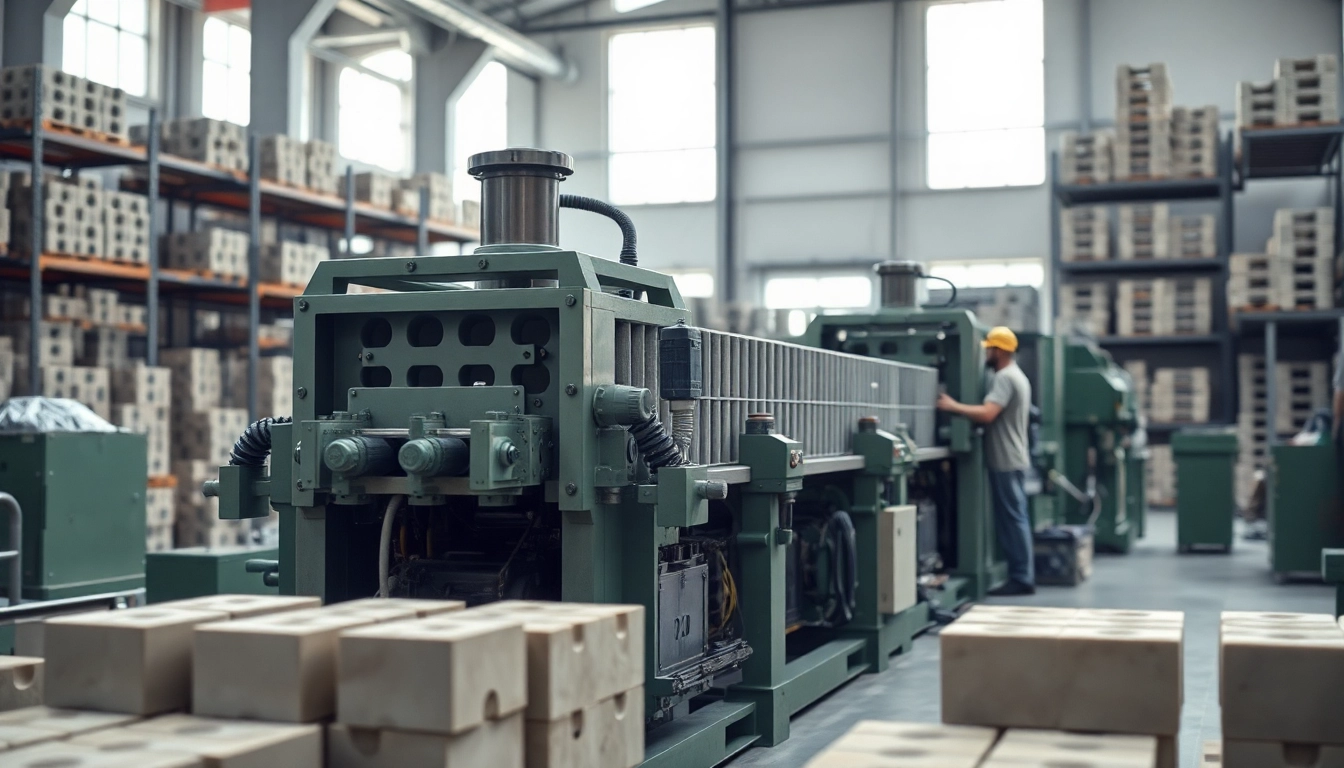


Understanding the Basics of Warehousing
What is Warehousing?
Warehousing refers to the process of storing goods and materials in a designated space until they are required for distribution or sale. It plays a crucial role in supply chain management by ensuring the timely availability of products. The layout and organization of a warehouse can significantly impact inventory management, shipping logistics, and operational efficiency. An efficient system not only aids in avoiding shortages but also minimizes the costs associated with excess inventory.
Importance of Warehousing in Supply Chain
In a well-functioning supply chain, warehousing serves as a critical link between production and distribution. It allows businesses to maintain adequate stock levels, respond rapidly to changes in demand, and provide a buffer against uncertainties. Effective warehousing practices can lead to enhanced customer satisfaction by ensuring quicker shipping times and more reliable product availability. In today’s competitive market, having a robust warehousing strategy is not just a logistical necessity; it is a catalyzing force for overall business success.
Key Components of Effective Warehousing
Several key components define effective warehousing operations, including:
- Storage Solutions: Efficient rack systems and shelving that maximize vertical space while ensuring easy access to products.
- Inventory Control: Systems that track stock levels and movements in real-time, ensuring minimal loss and overstocking.
- Staff Training: Skilled personnel who understand operations, safety protocols, and inventory management systems.
- Technology Integration: Utilizing advanced software and hardware like barcode scanners and inventory management systems to enhance operational efficiency.
Challenges in Warehousing Operations
Common Warehousing Issues
Despite its importance, warehousing can face several challenges that hinder efficacy. Common issues include:
- Space Management: Poor utilization of available space can lead to overcrowding or inefficient workflows.
- Inventory Discrepancies: Errors in stock counts can lead to mismanagement and increased costs.
- Equipment Failures: Malfunctioning machinery can disrupt operations and delay shipments.
- High Operational Costs: Inefficient processes can lead to unnecessary expenses in staffing, utilities, and inventory losses.
Impact of Technology on Warehousing Risks
While technology enhances warehouse operations, it also introduces risks such as system failures or cyber vulnerabilities. Automated systems can reduce human error but may fail if not regularly maintained. Companies should stay abreast of potential risks and dedicate resources to tech maintenance, security updates, and employee training to mitigate any adverse impacts.
Safety Concerns in Warehousing Environments
Warehousing environments often involve heavy machinery, large volumes of stock, and continuous movement of personnel, all of which can pose safety risks. Common safety concerns include:
- Forklift Accidents: Improper training or lack of safety measures can lead to accidents.
- Falling Objects: Poor stacking or lack of safety gear may result in injuries from falling items.
- Slip and Fall Incidents: Wet floors and cluttered walkways can contribute to accidents.
Best Practices for Efficient Warehousing
Optimizing Warehouse Layout
Efficient warehouse layout can significantly reduce handling costs and boost productivity. Consider the following strategies:
- Flow Design: Arrange workflows to promote the smooth flow of goods and minimize backtracking.
- Zone Storage: Group similar items for easier picking and replenishment.
- Aisle Widths: Ensure aisles are wide enough for machinery to maneuver without obstruction.
Implementing Inventory Management Systems
Investing in a comprehensive inventory management system is key to operational efficiency. Advantages include:
- Real-time Tracking: Continuous visibility of stock levels helps in accurate forecasting and demand planning.
- Automated Replenishment: Systems can trigger reorders based on predetermined thresholds, preventing stockouts.
- Data Analytics: Insights from inventory data can inform purchasing decisions and inventory strategies.
Staff Training and Development in Warehousing
Ongoing training and development efforts are vital to creating a competent workforce. Training should cover:
- Equipment Operation: Ensure that staff are proficient in using all tools and machinery.
- Safety Procedures: Regularly review safety protocols to instill a culture of safety.
- Inventory Practices: Knowledge of best practices aids in reducing errors in stock handling.
Innovative Technologies Transforming Warehousing
Automation in Warehousing Operations
Automation technologies, such as robotic pickers and automated storage systems, have transformed warehousing by enhancing efficiency and reducing labor costs. Automated systems increase speed and accuracy while decreasing the likelihood of human error. Businesses should consider gradual implementation to assess impact before full deployment.
The Role of Artificial Intelligence in Warehousing
Artificial Intelligence (AI) is increasingly used in warehousing to optimize inventory management and predict demand fluctuations. By analyzing historical data, AI can forecast future needs, allowing companies to make informed stocking decisions. Implementation of AI requires a well-structured data collection method and continuous refinement of algorithms.
Using Data Analytics for Inventory Management
Data analytics can significantly improve inventory management by providing insights into sales trends, seasonal fluctuations, and customer preferences. Organizations can use these insights to optimize their stock levels, ensuring better alignment with market demand while minimizing carrying costs. Investing in robust analytics tools can differentiate competitors in a tightly contested market.
Measuring Success in Warehousing
Key Performance Indicators (KPIs) for Warehousing
Establishing measurable KPIs is essential to evaluate warehousing operations efficiently. Examples of KPIs include:
- Order Fulfillment Time: Measures how quickly orders are picked, packed, and shipped.
- Inventory Turnover: Indicates the number of times inventory is sold and replaced within a period.
- Accuracy Rate: Reflects the precision of inventory counts versus the actual stock levels.
Continuous Improvement in Warehousing Operations
Continuous improvement practices involve regularly assessing processes and seeking ways to enhance efficiency. Implementation of methodologies like Lean or Six Sigma can help identify areas for enhancement and waste reduction. Regular employee feedback can also provide valuable insight into potential improvements from those directly involved in operations.
Customer Satisfaction in Warehousing
Ultimately, customer satisfaction hinges on effective warehousing practices. By ensuring timely deliveries, accurate order fulfillment, and maintaining product quality, companies can strengthen relationships with their clients. Utilizing customer feedback to drive enhancements in the warehousing process will contribute to a better overall customer experience, fostering loyalty and repeat business.
Frequently Asked Questions about Warehousing
What are the primary functions of a warehouse?
The primary functions of a warehouse include storing products, managing inventory, and facilitating distribution to customers or retailers.
How does technology affect warehousing efficiency?
Technology enhances warehousing efficiency by automating tasks, improving inventory management, and providing real-time data analytics for better decision-making.
What are some common safety issues in warehouses?
Common safety issues include forklift accidents, slip and fall incidents, and injuries from handling heavy objects without proper training.
What is the importance of staff training in warehousing?
Staff training is critical for maintaining safety standards, ensuring efficient operations, and reducing errors in handling processes.
How can I improve customer satisfaction in warehousing?
Improving customer satisfaction can be achieved through timely deliveries, accurate order processing, and responsive customer service to handle inquiries.