Understanding Laser Engraving Designs
Laser engraving has rapidly become a preferred method of crafting designs, thanks to its precision and adaptability. This technology enables creators to produce intricate and personalized products that cater to diverse needs. From personalized gifts to commercial applications, laser engraving designs are transforming how we view creativity in both personal and professional spheres. In this comprehensive guide, we will explore everything from the basic concepts to advanced techniques in laser engraving.
What is Laser Engraving?
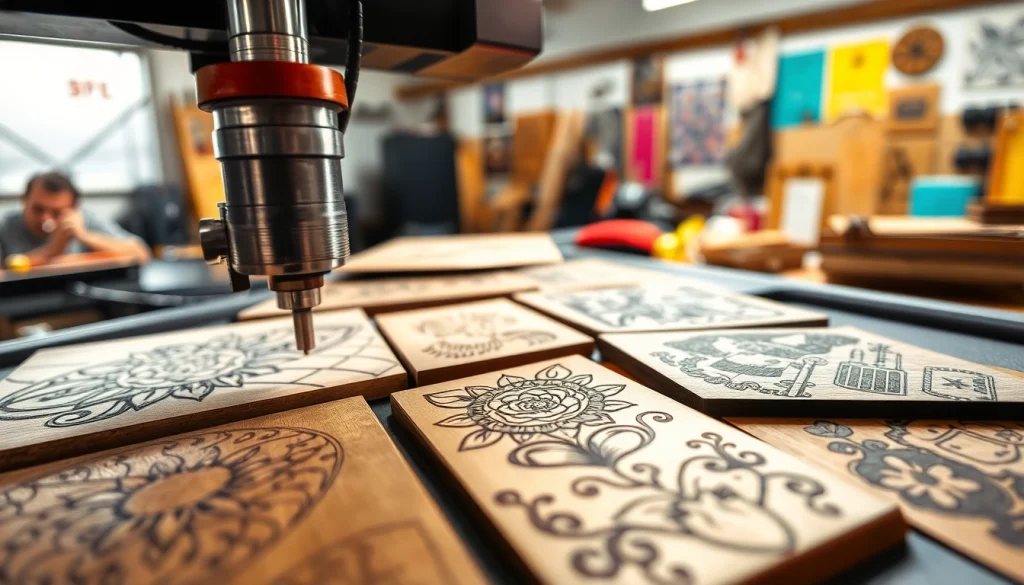
Laser engraving is a method that uses laser technology to etch designs onto a variety of materials. The process involves firing a focused beam of laser light onto the material, which removes layers to create the desired design. This technique allows for high levels of detail, making it suitable for art, commercial products, and even personal items. Unlike traditional engraving methods, laser engraving is remarkably versatile and offers a clean finish without the debris typically associated with mechanical engraving.
The Benefits of Laser Engraving
Laser engraving comes with numerous advantages that make it an attractive option for both hobbyists and professionals:
- Precision: Laser engravers can achieve intricate details that are challenging to replicate with traditional methods.
- Versatility: Many materials, including wood, acrylic, glass, and metals, can be laser engraved.
- Speed: The process is faster than manual engraving, allowing for quicker production times.
- Minimal Waste: Since the laser only removes what is necessary, it creates less waste compared to other methods.
- Customization: Laser engraving is ideal for personalized items, allowing for unique designs that meet individual preferences.
Common Materials for Laser Engraved Designs
Laser engraving can be applied to a variety of materials. Here are some of the most commonly used:
- Wood: Wood is popular for its aesthetic appeal and the warm finish it retains after engraving.
- Acrylic: This material is favored for its beautiful results, especially in vibrant colors.
- Leather: Laser engraving on leather produces unique and sophisticated designs, perfect for fashion items.
- Glass: Laser engraving on glass creates stunning effects with light reflections.
- Metals: Various metals, including stainless steel and aluminum, can also be engraved for functional and decorative purposes.
Popular Trends in Laser Engraving Designs
As technology evolves, so do the trends in laser engraving designs. Keeping up with current preferences helps enhance creativity and marketability. Below are some notable trends:
Personalized Gifts with Laser Engraving
Personalized gifts are always in demand. With laser engraving, individuals can add names, quotes, or special dates to items, making them unique treasures. This personalization aspect has made engraved items popular for weddings, anniversaries, and special occasions. Items such as pens, keychains, and photo frames typically dominate this market.
Laser Engraving Trends in Home Décor
The home décor market reflects a growing trend toward personalized and custom pieces. Laser engraving enables homeowners to craft bespoke items such as wooden wall art, engraved coasters, and customized signs. The use of natural materials combined with laser-cut designs creates a warm, inviting atmosphere that reflects the home’s personality and style.
Custom Laser Engraved Awards and Trophies
Awards and trophies are vital for corporate events, sports competitions, and recognition programs. Custom laser engraving allows organizations to create attractive, unique accolades that celebrate achievements. High-quality engravings on trophies ensure a lasting impression, providing recipients with a tangible reminder of their hard work and dedication.
Techniques for Creating Stunning Laser Engraving Designs
Creating captivating laser engraving designs is an art that requires not just the right equipment, but also an understanding of design principles and preparation techniques. Here are key aspects to consider:
Design Software for Laser Engraving
The design software chosen can significantly influence the quality of the final engravings. Professional-grade software such as Adobe Illustrator or CorelDRAW allows users to create detailed vector files for engraving. These programs support various file formats and provide tools for precise editing and manipulation, ensuring designs translate well onto physical products.
Using Colors in Laser Engraving
While laser engraving typically focuses on etching designs, adding color can elevate the visual appeal. Techniques such as color filling involve adding pigments to the engraved areas, enhancing contrast and depth. This technique works exceptionally well with materials like acrylic and wood, creating an eye-catching result that adds value to the product.
Preparing Files for Laser Engraving
Proper file preparation is critical for successful engraving. Key steps include:
- Choosing the Right File Format: Most laser engravers accept specific formats like .AI, .SVG, or .DXF.
- Setting Appropriate Dimensions: Ensure your design is set to the correct size relative to your material.
- Adjusting DPI Settings: For optimal engraving results, set the dots per inch (DPI) based on the material and the level of detail required.
- Using Layers: Organizing your files into layers can simplify the engraving process and help visualize the final outcome.
Challenges and Solutions in Laser Engraving Designs
Like any technology, laser engraving has its share of challenges. Understanding these hurdles and their solutions is essential for successful design implementation.
Common Challenges in Engraving
Some challenges that engravers frequently encounter include:
- Material Compatibility: Some materials may not engrave well, resulting in poor quality.
- Inconsistent Quality: Variations in machine settings can lead to inconsistencies in the final product.
- Design Limitations: Complex designs may not reproduce well, leading to frustration.
Solutions for Flawless Laser Engraving
Addressing these challenges can involve several strategies:
- Testing Materials: Conduct tests on different materials to identify the best options for specific designs.
- Regular Maintenance: Keeping the laser engraver in optimal condition prevents inconsistencies in quality.
- Simplifying Designs: For intricate designs, consider breaking them down into simpler elements that can be combined later.
Choosing the Right Laser Engraver
When looking to invest in a laser engraver, consider key factors such as:
- Type of Laser: CO2 lasers are ideal for organic materials, while fiber lasers excel in metals.
- Power Output: A higher wattage delivers quicker processing and deeper cuts.
- Size of Work Area: Ensure the engraver can accommodate the products you wish to customize.
- User Interface: A user-friendly interface can significantly enhance productivity and ease of use.
FAQs about Laser Engraving Designs
What materials can be laser engraved?
Materials such as wood, acrylic, leather, glass, and metals can be laser engraved, enabling versatile applications for various products.
How detailed can laser engraving designs be?
Laser engraving allows for high levels of detail, making it possible to produce intricate designs, logos, and fine text reliably.
What are the costs associated with laser engraving?
Costs can vary based on materials, complexity of the design, and equipment usage. Services typically charge per project based on these factors.
Can I create custom laser engraving designs?
Absolutely! Custom designs are one of the biggest draws of laser engraving. You can design anything from logos to personal messages.
How to maintain and care for engraved items?
To maintain engraved items, clean them with a soft cloth, avoid abrasive materials, and store them away from direct sunlight to prevent fading.