
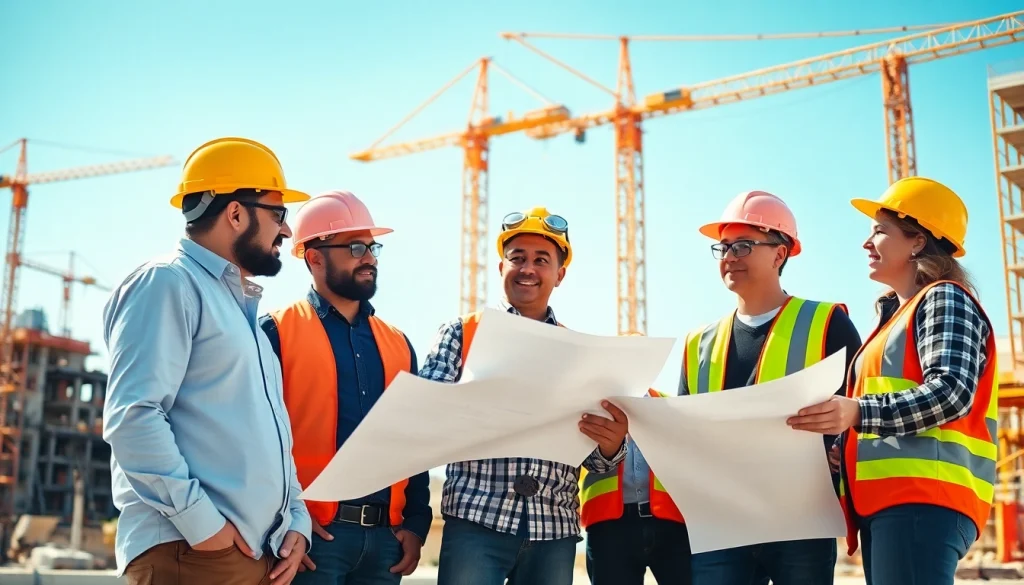
Understanding Construction Associations
What is a Construction Association?
A construction association is a professional organization that serves members in the construction industry, encompassing contractors, suppliers, and affiliates. These associations provide a platform for networking, education, advocacy, and industry standards. Their ultimate goal is to promote best practices and support the growth of the construction sector, helping its members navigate challenges and seize opportunities effectively.
History and Evolution of Construction Associations
The origins of construction associations can be traced back to the early days of construction when craftsmen banded together for mutual support and knowledge exchange. As the construction industry evolved with the advent of technology and more complex projects, these associations adapted by providing specialized training and promoting safety standards. Over the decades, they’ve become integral to the industry’s structure, fostering collaboration among different stakeholders and enhancing the industry’s overall productivity.
Key Services Offered by Construction Associations
Construction associations offer a wide array of services designed to benefit their members, including:
- Networking Events: Opportunities to meet peers, potential clients, and collaborators.
- Training and Certification: Educational programs to enhance skills and compliance with industry standards.
- Advocacy: Representation at legislative levels to influence policy affecting the construction sector.
- Resources and Publications: Access to research, guidelines, and best practices relevant to the industry.
The Benefits of Joining a Construction Association
Networking Opportunities in the Construction Industry
Joining a construction association opens doors to invaluable networking opportunities. Members can engage with other professionals through workshops, seminars, and conventions. Building relationships within the industry not only fosters collaboration but may also lead to referrals and business partnerships, ultimately driving success. Networking can also provide insights into market trends, innovations, and best practices that can enhance business operations.
Accessing Resources and Training
Construction associations provide members with access to a wealth of resources, including technical training and industry research. Specialized training programs ensure that members stay updated on the latest construction techniques, safety protocols, and regulatory changes. Access to proprietary research and publications helps members remain competitive and informed about the latest trends that impact their work.
Advocacy and Representation for Members
One of the pivotal roles of construction associations is advocacy. They work tirelessly to represent their members’ interests at local, state, and national levels. This includes lobbying for favorable legislation, addressing industry challenges, and ensuring that construction professionals have a voice in the policy-making process. Member representation is crucial for maintaining a fair and equitable business environment within the construction sector.
Challenges Faced by Construction Associations
Addressing Workforce Shortages
The construction industry is grappling with workforce shortages, affecting project completion and quality. Construction associations play a vital role in addressing this challenge by promoting careers in construction, offering training programs, and aligning with educational institutions. Initiatives to attract younger generations into the workforce are crucial for ensuring sustained growth and meeting future demands.
Navigating Regulatory Changes
Construction is heavily regulated, and keeping up with frequent changes can be a daunting task for professionals. Construction associations provide guidance on compliance with local, state, and federal regulations, helping members navigate these complexities. By staying informed about regulatory shifts, associations equip their members with the knowledge needed to adapt and thrive amidst changing landscapes.
Maintaining Industry Standards
Ensuring quality and safety standards across the construction industry is vital. Construction associations work to establish and maintain these standards. They develop guidelines for best practices, conduct certifications, and offer training to ensure that members uphold the highest levels of quality and safety in their projects.
Successful Case Studies of Construction Associations
Community Development Initiatives
Many construction associations engage in community development projects that impact local economies positively. Case studies show how these initiatives foster relationships with local governments and other stakeholders. Associations often mobilize members for volunteer projects, helping to build infrastructure and improve community facilities, which enhances their public image and helps make a difference in local communities.
Innovative Projects Supported by Associations
Associations often lend support to innovative construction projects that push the boundaries of technology and sustainability. For instance, partnerships with research institutions can facilitate advancements in green building practices or integrating smart technology into construction. By promoting innovative initiatives, construction associations not only benefit their members but also advance the industry as a whole.
Impact on Local Economies
Construction associations can significantly impact local economies by promoting responsible construction practices and supporting local businesses. By advocating for local suppliers and contractors, they help retain economic benefits within the community, thus fostering job creation and economic development. Ongoing studies reveal that areas with active construction associations often experience faster economic growth.
Future Trends in Construction Associations
Embracing Technology in the Construction Sector
The construction industry is rapidly embracing technology, and construction associations are at the forefront of this transformation. They are essential in helping members adopt new tools and techniques such as Building Information Modeling (BIM), drones, and project management software. Training on these technologies allows members to improve efficiency, reduce costs, and enhance project outcomes.
Shifting Focus Towards Sustainability
Sustainability is becoming a critical concern in construction. Associations are increasingly promoting sustainable practices, encouraging members to adopt green building standards and environmentally friendly materials. Initiatives focused on reducing the carbon footprint of construction operations can help address climate change and promote a healthier environment.
Globalization and International Collaboration
As markets globalize, construction associations are adapting by fostering international collaborations. This could involve partnerships with foreign associations to exchange knowledge and best practices. Understanding global trends and practices can position members advantageously in the evolving landscape of the construction industry.
Frequently Asked Questions About Construction Associations
What are the primary functions of a construction association?
Construction associations provide networking opportunities, training, advocacy, and resources to support members and enhance industry standards.
How can membership in a construction association benefit my business?
Membership can lead to valuable connections, access to industry resources, and representation in policy discussions, promoting business growth and success.
What types of training programs do construction associations offer?
Associations offer training in safety standards, technical skills, compliance regulations, and emerging technologies relevant to the construction sector.
How do construction associations influence legislation?
Associations engage in advocacy efforts that represent member interests, lobbying for favorable policies and regulations critical to the construction industry.
Can construction associations help with workforce development?
Yes, associations actively promote careers in construction through initiatives that connect educational institutions with industry needs, fostering a skilled workforce.