
Introduction to Fish Handling
Proper fish handling is a crucial practice in both culinary and aquaculture settings. Understanding the nuances of this practice helps maintain the integrity and quality of fish, ensuring that it remains safe for consumption and delicious to eat. From the moment the fish is caught to the time it reaches your plate, every step of the handling process plays a vital role in preserving its freshness and flavor.
Importance of Proper Fish Handling
The significance of appropriate fish handling cannot be overstated. Poor handling techniques can lead to numerous issues, including foodborne illnesses and decreased product quality. According to the World Health Organization, seafood is a major contributor to foodborne diseases globally; hence, understanding proper practices can mitigate risks. Additionally, proper handling techniques ensure that the fish retained nutrients and flavors, which are essential for high-quality culinary experiences.
Overview of Common Fish Handling Techniques
Common fish handling techniques encompass a variety of practices designed to maintain quality and safety. These include methods for catching, storing, cleaning, and preparing fish, as well as temperature control measures. Whether you’re fishing recreationally or working in a commercial kitchen, mastering these techniques is key to a successful fish handling process.
Safety Measures in Fish Handling
Implementing safety measures in fish handling is essential for preventing contamination and ensuring food safety. Basic precautions include wearing gloves when handling fish, using separate cutting boards for different food types, and regularly sanitizing all tools and surfaces. Furthermore, proper storage techniques help prevent spoilage and ensure that seafood remains safe for consumption.
Selecting Fresh Fish
Selecting fresh fish is a vital skill for both chefs and home cooks. Understanding how to identify quality indicators and being aware of seasonal variations can greatly influence your fish handling practices and the overall quality of your dishes.
Identifying Quality Indicators
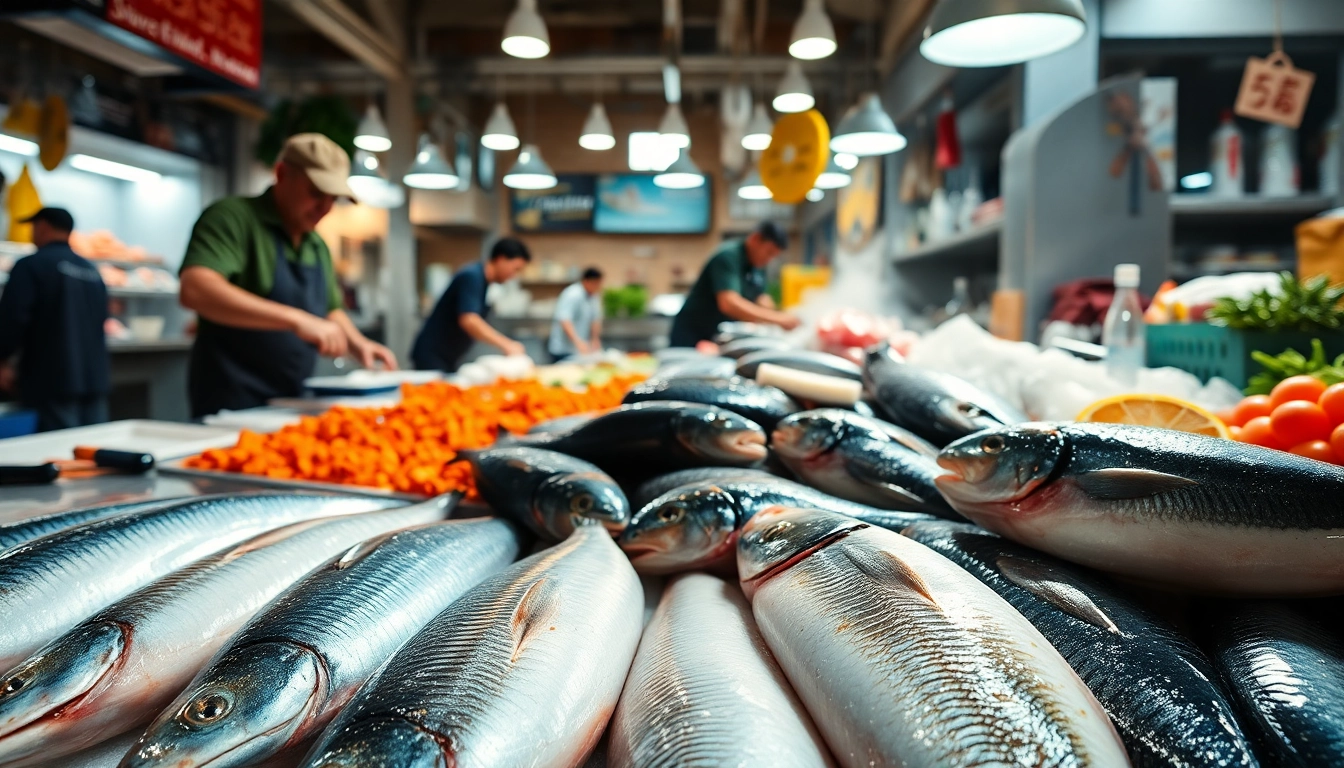
When selecting a fish, several key indicators signal freshness. For instance, the eyes of the fish should be clear and bulging, while the gills should be bright red or pink. The skin should be shiny and metallic, and the flesh should feel firm and bounce back when pressed. Additionally, a fresh fish should have a clean, ocean-like scent rather than a strong fishy odor.
Seasonal Variations in Fish Availability
Fish availability often fluctuates based on seasonal patterns, which can affect both affordability and quality. Familiarizing yourself with local seasons can lead to better fish choices. For instance, bluefin tuna is typically available in the summer months, while cod is more readily accessible during winter. Buying fish in season not only supports local fisheries but also helps ensure that you’re getting the freshest product possible.
Local vs. Imported Fish Choices
Choosing between local and imported fish can significantly impact your fish handling practices. Local fish is often fresher due to shorter transit times, allowing it to maintain its quality longer. On the other hand, imported fish might be less sustainable and could have extended storage times, which may result in diminished flavor and texture. Understanding where your fish comes from can guide your purchasing decisions and improve the overall quality of your dishes.
Techniques for Proper Fish Handling
Mastering fish handling techniques is essential for ensuring the highest standards of quality and safety in culinary environments. The following sections delve into specific techniques for cleaning, storing, and controlling temperatures of fresh fish.
Best Practices for Cleaning Fish
Cleaning fish properly is one of the most crucial steps in proper fish handling. This involves scaling the fish, gutting it, and removing any blood or entrails. Tools such as a sharp knife, fish scaler, and scissors can aid the process. Moreover, it’s essential to clean the fish while still in a chilled state to reduce the risk of bacterial growth. Following this, the fish should be rinsed in cold water and immediately dried before storage or cooking.
Proper Storage Methods for Fresh Fish
The way fish is stored post-catch significantly impacts its longevity and taste. The most effective storage method is to keep the fish on ice, ideally in a cooler or a refrigerated storage area. Fish should be kept at temperatures below 32°F (0°C) to minimize spoilage. Utilizing airtight containers or vacuum-sealed bags can further preserve freshness by eliminating exposure to air and reducing moisture loss.
Temperature Control and Its Importance
Temperature control is paramount in the handling and storage of fish. Fish is highly perishable, and maintaining appropriate temperatures inhibits bacterial growth while preserving quality. Fluctuations in temperature can lead to quality degradation and spoilage. Regular temperature checks using food thermometers can ensure that the fish is kept within the safe temperature range, thereby extending its shelf life and maintaining its flavor profile.
Fish Handling for Culinary Professionals
Culinary professionals are tasked with ensuring that fish handling practices not only adhere to safety guidelines but also meet the expectations of diners. Here, we discuss techniques employed by top chefs and the importance of staff training and a clean work environment.
Techniques Used by Top Chefs
Top chefs employ various advanced fish handling techniques that focus on preserving the integrity of the fish. These include careful filleting, marinating, and utilizing various cooking methods that highlight the natural flavors. Techniques like dry aging and sous-vide can enhance freshness, while presentations that emphasize the fish’s color and texture can elevate the dining experience.
Training Staff on Fish Handling Practices
Training staff in proper fish handling practices is crucial for maintaining quality and safety in culinary settings. Regular workshops can cover everything from basic fish identification to advanced cleaning and cooking techniques. Developing standard operating procedures ensures consistency and helps prevent errors that may compromise food safety and quality.
Maintaining a Clean Work Environment
A clean work environment is integral to successful fish handling. It reduces the risk of cross-contamination and ensures food safety. Regular cleaning schedules, proper waste disposal methods, and employee hygiene practices should be enforced. The use of sanitized tools and equipment is essential for maintaining the integrity of the fish and the overall kitchen environment.
FAQs about Fish Handling
What are the best practices for fish handling?
Utilize clean tools, keep fish at proper temperatures, and handle with care to prevent contamination.
How can I tell if fish is fresh?
Look for clear eyes, bright red gills, and a clean, ocean-like smell as signs of freshness.
Why is it important to keep fish cold?
Cold temperatures inhibit bacterial growth, ensuring the fish remains safe to eat and retains quality.
What techniques should chefs know for fish handling?
Chefs should master techniques like scaling, filleting, and proper storage to maintain freshness and flavor.
Can I freeze fish safely?
Yes, properly wrapped fish can be frozen for several months without significant quality loss.