
Understanding the Concept of Multi-Store
In a rapidly evolving digital marketplace, the concept of a Multi-Store has emerged as a powerful model for managing multiple e-commerce storefronts under a unified system. This approach is beneficial for businesses looking to streamline operations, enhance customer experience, and increase revenue across various product lines. Let us delve deeper into what makes a Multi-Store setup unique and advantageous for modern retailers.
What is a Multi-Store?
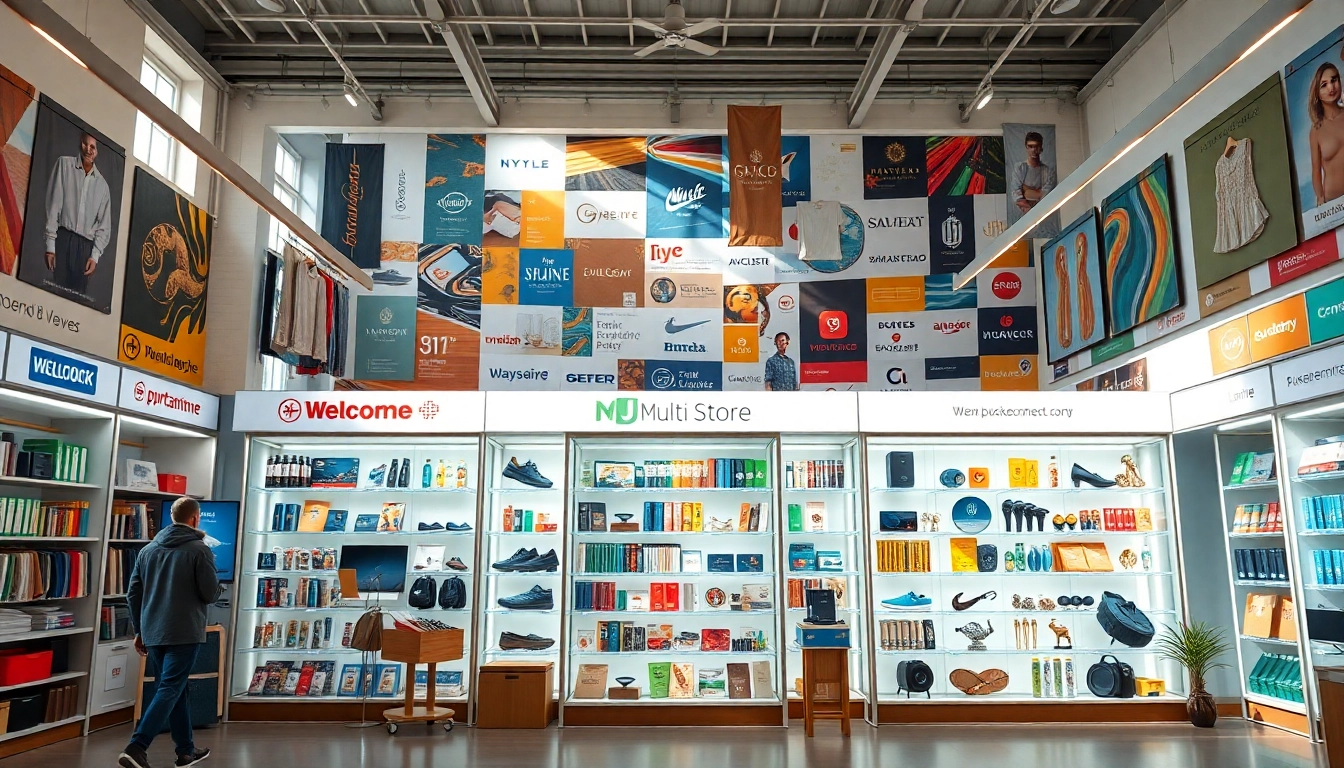
A Multi-Store system allows businesses to manage multiple online stores from a single backend interface. This means that a retailer can operate various sales channels, each offering distinct products or targeting different customer segments, while utilizing a cohesive administration system. This integration grants retailers substantial control over inventory, customer relations, and marketing strategies without the burden of maintaining separate systems for every store.
Benefits of Using a Multi-Store Model
The Multi-Store model presents numerous benefits, enhancing both operational efficiency and customer engagement. Some of the key benefits include:
- Unified Management: A single administrative interface simplifies the management of multiple storefronts, allowing for synchronized updates and streamlined operations.
- Cost Efficiency: Operating under one platform reduces overhead costs associated with separate hosting, development, and maintenance for each store.
- Tailored Customer Experiences: Each store can be customized to meet the specific needs of its target audience, leading to increased customer satisfaction and loyalty.
- Optimized Inventory Management: Centralized inventory management helps businesses track stock levels and manage supply chains more effectively.
- Enhanced Marketing Strategies: A unified data repository allows businesses to analyze consumer behavior across multiple channels, enabling more targeted marketing campaigns.
Key Features of Successful Multi-Stores
To reap the benefits of a Multi-Store model, retailers should ensure the following key features are in place:
- Centralized Data Management: Utilizing a system that consolidates data from all stores enhances decision-making and provides a holistic view of business performance.
- Customizable Design Options: Each store should exhibit unique branding while remaining consistent with the overall company image, appealing to diverse customer bases.
- Scalability: The platform must support growth, allowing the addition of new stores as the business expands into new markets or product categories.
- Robust Security Measures: Ensuring the protection of sensitive customer data is crucial for maintaining trust and compliance with regulations.
Setting Up Your Multi-Store
Setting up a Multi-Store requires careful planning and execution. Below are essential steps for getting started effectively.
Choosing the Right Platform
The first step in establishing a Multi-Store is selecting an e-commerce platform that supports multi-store functionalities. Popular choices include systems like Magento, Shopify Plus, and WooCommerce. Each platform offers unique advantages, so consider the following factors:
- Ease of Use: Look for platforms that offer user-friendly dashboards, enabling quick learning and operation.
- Integration Capabilities: Ensure the platform can integrate with essential third-party applications for payment processing, shipping, and marketing.
- Scalable Features: Choose a platform that allows for scale as your business grows, from adding new storefronts to enhancing functionalities.
Designing an Intuitive User Interface
The design of a Multi-Store plays a crucial role in facilitating a seamless user experience. Focus on the following aspects:
- Responsive Design: Ensure that all stores are mobile-friendly, as a significant portion of online shopping is conducted via smartphones.
- Consistent Navigation: Maintain a logical hierarchy in site architecture, allowing customers to find products effortlessly.
- Clear Call-to-Actions: Use prominent buttons and clear messaging to guide users towards purchase and engagement points on each store.
Integrating Payment and Shipping Solutions
To provide a smooth shopping experience, integrating reliable payment processors and shipping solutions is essential. Consider the following:
- Multiple Payment Options: Support various payment methods, including credit cards, digital wallets, and bank transfers, to cater to customer preferences.
- Regional Shipping Solutions: Choose shipping providers offering services tailored to the geographical regions of each store’s target audience.
- Secure Transactions: Implement HTTPS and PCI compliance to reassure customers that their payment information is secure.
Enhancing User Experience in Your Multi-Store
Providing an exceptional user experience is vital to retaining customers and driving sales. Here are practical strategies to enhance user experience across your Multi-Stores.
Implementing User-Friendly Navigation
User-friendly navigation is critical for guiding customers through their shopping journey. Effective navigation systems should include:
- Clear Categories: Organize products by distinct categories and subcategories, making it easy for users to find what they seek.
- Search Functionality: Include a robust search feature with filters that allow users to quickly refine their product options.
- Breadcrumb Trails: Provide breadcrumb navigation to help users understand their current location within the site hierarchy.
Optimizing Product Listings
The presentation of your products plays a significant role in conversion rates. Here are key elements of effective product listings:
- High-Quality Images: Include multiple images from various angles, allowing customers to form a comprehensive view of the product.
- Informative Descriptions: Use clear, concise language to communicate key product features and benefits, addressing potential customer questions.
- Pricing Information: Present pricing transparently, highlighting any discounts or special offers prominently.
Leveraging Customer Reviews and Ratings
Incorporating customer reviews and ratings can significantly impact purchasing decisions. Here’s how to effectively use them:
- Display User Feedback: Promote authentic ratings and reviews on product pages to build trust and credibility with potential buyers.
- Respond to Reviews: Engage with both positive and negative reviews, demonstrating an active commitment to customer satisfaction.
- Encourage Customer Participation: Motivate previous buyers to leave reviews through personalized communication and incentives.
Marketing Strategies for Your Multi-Store
Implementing effective marketing strategies is pivotal for increasing visibility and driving traffic to your Multi-Stores. Below are some recommended techniques to consider.
Effective SEO Techniques
Search Engine Optimization (SEO) is essential for ensuring your stores rank well in search results. Focus on these aspects:
- Keyword Research: Identify relevant keywords that align with your products and customer search behavior, and use them throughout your website content.
- On-Page SEO: Optimize meta tags, headers, and image alt text to enhance relevance and accessibility for search engines.
- Quality Backlinking: Build relationships with authoritative sites to gain backlinks, enhancing your store’s domain authority.
Utilizing Social Media Marketing
Social media platforms provide a potent channel for reaching both existing and potential customers. Here are effective strategies:
- Content Sharing: Regularly share valuable content, including product features and engaging stories, to build a community around your brand.
- Pay-Per-Click Advertising: Utilize targeted ads to drive traffic to specific product pages or special promotions within your Multi-Stores.
- Engagement Campaigns: Conduct contests or polls to foster direct interaction with your audience, enhancing brand loyalty.
Email Campaigns for Boosting Sales
Email marketing remains a powerful tool for driving conversions. Consider the following best practices:
- Segment Your Lists: Divide your audience into segments based on behavior or demographics to craft personalized, relevant messages.
- Abandoned Cart Reminders: Send timely reminders to customers who leave items in their cart, often accompanied by a special offer to incentivize completion.
- Regular Newsletters: Create informative newsletters sharing product updates, customer stories, and exclusive discounts.
Analyzing Performance Metrics for Your Multi-Store
Performance metrics are essential for evaluating the success of your Multi-Stores and guiding data-driven decisions. Here are the primary areas to focus on:
Key Performance Indicators to Monitor
Monitoring specific KPIs will help gauge the health of your Multi-Stores. Key indicators to track include:
- Sales Performance: Analyze overall sales, as well as sales by store, season, and product categories, to identify trends.
- Customer Retention Rates: Determine how effectively you’re retaining customers and where improvements can be made.
- Traffic Sources: Investigate where your traffic is coming from—organic search, social media, paid ads— to refine your marketing strategies.
Tools for Tracking Multi-Store Metrics
Utilizing the right tools can significantly enhance your ability to monitor performance metrics. Popular tools include:
- Google Analytics: Provides comprehensive insights into user behavior, traffic sources, and conversion rates.
- Heatmap Tools: Analyze user interaction on your website to identify areas of interest and improvement.
- CRM Software: Track customer interactions and sales patterns over time, fostering more personalized marketing efforts.
Making Data-Driven Decisions
Using the insights gained from performance metrics, businesses can make informed decisions that enhance their Multi-Store operations. Consider these strategies:
- Regular Reporting: Create consistent reports that compile data over time, evaluating performance trends and predicting future outcomes.
- A/B Testing: Conduct experiments on design elements, content, and marketing campaigns to determine what resonates best with customers.
- Feedback Loops: Use customer feedback to inform product development and operational changes for constant improvement.
FAQs About Multi-Stores
What is a Multi-Store?
A Multi-Store is an e-commerce model that allows businesses to operate multiple online storefronts under one administrative backend, enhancing efficiency and control.
What are the benefits of using a Multi-Store model?
The Multi-Store model offers cost efficiency, unified management, tailored customer experiences, optimized inventory, and enhanced marketing strategies.
What should I consider when choosing a platform for a Multi-Store?
Consider ease of use, integration capabilities, scalability, and available support services to ensure the right fit for your business’s needs.
How can I enhance user experience in my Multi-Store?
Focus on user-friendly navigation, high-quality product listings, and leveraging customer reviews to create an engaging shopping environment.
What metrics should I track for my Multi-Store performance?
Monitor sales performance, customer retention rates, traffic sources, and other key performance indicators to assess your Multi-Store’s success.