

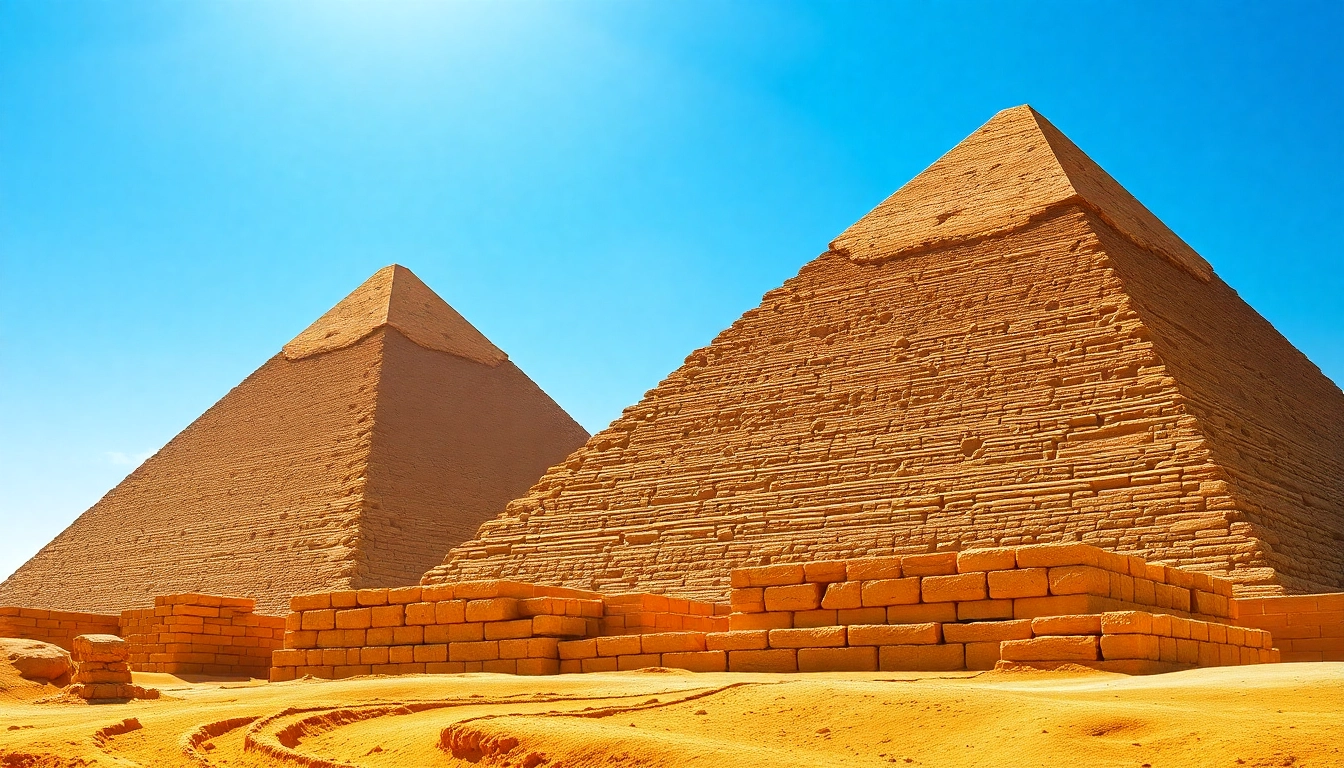
The History of the Egyptian Pyramids
The Egyptian pyramids are among the most remarkable architectural achievements in human history. These ancient structures symbolize the ingenuity, wealth, and power of Ancient Egypt, telling stories of a civilization that once thrived along the banks of the Nile. With more than 138 identified pyramids scattered throughout Egypt, these monumental tombs were primarily constructed for pharaohs and their consorts during the Old and Middle Kingdom periods. The fascination surrounding the pyramids continues to captivate historians, architects, and tourists alike.
Among these many structures, the most famous are the Pyramids of Giza, which serve as a testament to the architectural evolution and religious beliefs of the ancient Egyptians. To delve deeper into the mysteries of the pyramids, you can explore more at https://piraminds.com/.
Origins and Evolution of Pyramids
The origins of the Egyptian pyramids date back to the early dynastic period when the Egyptians first began to bury their kings in simple pit graves. Over time, these evolved into more complex structures. The first recognized pyramid, the Step Pyramid of Djoser, constructed in the 27th century BCE, marked a significant shift in burial methods. Designed by the architect Imhotep, this pyramid featured a series of six stacked mastabas, which created a monumental form that heralded the era of pyramid-building.
Throughout the 4th Dynasty, pyramids were refined into the smooth-sided, grand structures we recognize today. Notable examples include the Great Pyramid of Khufu, which reflects advancements in architectural techniques and an understanding of geometry and astronomy. This evolution showcases how the Egyptians transitioned from simple structures to increasingly sophisticated constructions, embodying both the technical prowess and spiritual aspirations of their society.
Architectural Innovations
The pyramids are remarkable not only for their size but also for the technological innovations they incorporated. The use of large limestone and granite blocks, some weighing several tons, necessitated the development of sophisticated logistics and tools. The construction process employed ramps, levers, and sledges to move these massive stones into place. Moreover, the alignment of the pyramids with the cardinal points reflects the Egyptians’ advanced understanding of astronomy.
Architectural innovations also included the inclusion of mortuary temples and complex burial chambers. These features were designed not only to honor the deceased but also to facilitate their journey into the afterlife. As pyramid construction progressed, each successive structure incorporated more intricacies, often reflecting the reign’s grandeur and ambition of the pharaoh involved.
Significance in Egyptian Culture
Pyramids held immense cultural and religious significance in ancient Egyptian society. They were not merely tombs but served as focal points for the Egyptian belief in the afterlife. The design and orientation of each pyramid were symbolic; for instance, the pyramid’s pointed shape was thought to represent the rays of the sun, enabling the deceased to ascend to the heavens and join the gods.
Additionally, pyramids symbolized the pharaoh’s power and divine status. The construction of lavish tombs was a way to express the ruler’s enduring legacy and point to their role as intermediaries between the gods and the people. This connection permeated various aspects of life, intertwining the spiritual, political, and economic threads of Egyptian culture.
Notable Pyramids and Their Features
Pyramid of Khufu: The Great Pyramid
The Great Pyramid of Khufu, also known as the Pyramid of Cheops, is the largest and perhaps most iconic of all the pyramids. Originally standing at 146.6 meters, it held the title of the tallest manmade structure for over 3,800 years. Constructed over a 20-year period, the pyramid’s massive scale and precision in alignment are a testament to the advanced engineering capabilities of the ancient Egyptians.
The Great Pyramid contains three main chambers, including the King’s Chamber with its remarkable granite sarcophagus and the Grand Gallery, which showcases the ingenuity employed in its architecture. Interestingly, the pyramid’s interior structure and design have led to various theories about its purpose and the methods used to construct it, further fueling its mystique.
Pyramid of Khafre: An Architectural Marvel
The Pyramid of Khafre, built for Pharaoh Khafre, is the second-largest pyramid on the Giza plateau. What makes Khafre’s pyramid particularly striking is its intact casing stones at the apex, which give it a unique appearance compared to its neighbors. The pyramid is flanked by the Great Sphinx, an enigmatic statue carved from limestone, which adds to the grandeur of the site.
Khafre’s pyramid is notable for its complex, which includes mortuary temples and a causeway, further illustrating the sophisticated planning involved. Interestingly, the design of Khafre’s pyramid reflects an advanced understanding of the land’s topography, as it was constructed on higher ground, making it appear taller than the Great Pyramid despite being slightly shorter.
Pyramid of Menkaure: The Lesser Known
The Pyramid of Menkaure, the smallest of the three main pyramids at Giza, stands at 65 meters. Despite its size, it holds significant historical value. The pyramid’s construction highlights the continuity of values in Egyptian society, as Menkaure also built a complex with mortuary temples that aligned with the grandeur of previous pharaohs.
The pyramid is constructed of granite and limestone, showcasing a blend of materials that reflects the pharaoh’s ambition. Menkaure’s reign was marked by economic difficulties, and the smaller size of his pyramid indicates a response to changing resources while still aiming to secure a place among the eternal pharaohs of Egypt.
Construction Techniques of the Pyramids
Materials Used in Pyramid Building
The construction of pyramids involved a carefully selected array of materials that combined durability with visual appeal. Most notably, limestone was abundant and utilized for the core structure. The outer casing was often made of higher-quality Tura limestone, which was polished to create a brilliant white surface that gleamed in the sun.
Additionally, granite was selected for the interior chambers, particularly the King’s Chamber in the Great Pyramid. The choice of these materials not only ensured longevity but also communicated the pharaoh’s wealth and importance, embodying the architectural ambition of ancient Egypt.
Labor Force: The Builders Behind the Monuments
The common misconception is that the pyramids were built by enslaved individuals. In reality, a workforce of skilled laborers, including builders and craftsmen, was employed. Evidence suggests that these laborers were well-fed, housed, and organized into teams, highlighting a form of communal effort.
Archaeological findings indicate that these laborers undertook the work during the inundation season when agricultural activities were halted, integrating their labor into societal rhythm. This organized labor model underscores the Egyptians’ advanced societal structure, capable of mobilizing thousands for monumental projects.
Engineering Challenges and Solutions
The construction of the pyramids presented various engineering challenges, primarily concerning the transportation and alignment of massive stone blocks. To address these issues, builders likely adapted a series of ramps to facilitate the moving of stones to higher levels. Recent studies suggest that a combination of straight and circular ramps may have been utilized for efficiency.
Additionally, the precision in the pyramids’ alignment with cardinal points reflects careful planning. They employed advanced surveying techniques to achieve these alignments, demonstrating a profound understanding of mathematics and astronomy amassed by Egyptian engineers.
Symbolism and Theories Behind Pyramids
Pyramids as Tombs and Beyond
At their core, the pyramids served as tombs for pharaohs, designed to protect the deceased and safeguard their journey to the afterlife. However, they also symbolize the eternal quest for immortality within Egyptian culture. The alignment and grandeur of pyramids exemplify how the Egyptians sought to ensure their rulers’ ascension among the gods.
Furthermore, the interiors of these structures were elaborately decorated with inscriptions and reliefs that depicted the deceased’s passage into the afterlife, emphasizing the spiritual beliefs woven into their construction and design.
Theories of Pyramid Alignment
The alignment of the pyramids has sparked considerable debate among historians and archaeologists. Theories propose that the pyramids were deliberately aligned with specific stars or constellations, thereby linking the earthly domain of the pharaoh to the cosmic order above. The north-south axis alignment suggests a connection to the stars, reflecting ancient Egyptians’ extensive knowledge of celestial movement.
These theories reinforce the notion that the pyramids were not merely functional tombs but also embodiments of cosmic principles, affirming the pharaoh’s divine authority and connection to the gods.
Symbolic Representations in Architecture
Pyramidal shapes were imbued with symbolic significance in ancient Egyptian architecture. The triangular form of the pyramids is believed to represent the mountain-like structures that emerged at the beginning of creation, symbolizing growth and ascension. This symbolism transcended the physical structures, imparting an essence of eternal life and connectivity to the divine.
Moreover, many pyramids incorporated specific motifs and inscriptions that conveyed the beliefs and aspirations of the elite. This conscious architectural symbolism ultimately guided their interpretation and the continued reverence for these sites in Egyptian society.
Visiting the Pyramids Today
Tourism and Preservation Efforts
The Egyptian pyramids continue to draw millions of tourists each year, constituting a vital component of Egypt’s economy. However, the burgeoning interest has necessitated various preservation efforts to protect these ancient structures from the impact of tourism and environmental threats. New protocols have been implemented to monitor air quality and mitigate damage from human activity.
Efforts to enhance the visitor experience, such as improved infrastructure and informational resources, reflect a commitment to ensuring that tourists can appreciate these extraordinary monuments without compromising their integrity.
Must-See Historical Insights on Site
Visiting the pyramids offers an unparalleled opportunity to immerse oneself in Egypt’s rich history. Beyond the iconic structures, visitors can explore the surrounding complex, which includes the Sphinx and several smaller pyramids dedicated to queens and nobility. Engaging local guides can enrich the experience, providing insights into ancient Egyptian culture, architecture, and mythology.
Additionally, archaeological museums in the vicinity house artifacts discovered at the pyramids, allowing for a deeper understanding of the civilization that created these astonishing monuments.
Tips for Visitors to Enhance Experience
For those planning to visit the pyramids, coming prepared can greatly enhance the experience. It is advisable to visit early in the day to avoid large crowds and the intense midday heat. Carrying plenty of water and wearing appropriate clothing will improve comfort while exploring the extensive site.
Engaging with knowledgeable guides enhances the visit by offering contextual insights and access to areas typically overlooked by general tours. Finally, be sure to take time to appreciate the majesty of the pyramids; they are more than historical relics; they are lasting symbols of human ingenuity and ambition.
Frequently Asked Questions
1. What was the purpose of the Egyptian pyramids?
The primary purpose of the Egyptian pyramids was to serve as monumental tombs for pharaohs and esteemed individuals, ensuring their transition into the afterlife.
2. How were the pyramids constructed?
Pyramids were constructed using large limestone and granite blocks, moved into place using ramps, sledges, and a dedicated workforce of skilled laborers.
3. Why are the pyramids aligned with the cardinal points?
The pyramids’ alignment with cardinal points reflects the ancient Egyptians’ advanced understanding of astronomy, connecting them to the cosmos and their spiritual beliefs.
4. How many pyramids exist in Egypt?
At least 138 pyramids have been identified in Egypt, with the majority built during the Old and Middle Kingdom periods, serving various pharaohs.
5. What preservation efforts are in place for the pyramids?
Preservation efforts include monitoring air quality, controlling tourism impact, and implementing structural conservation measures to protect the pyramids from environmental and human-related damage.