
Introduction to Goechala Trek
Nestled in the eastern Himalayas of India, the goechala trek is a breathtaking adventure that offers unparalleled views of one of the world’s highest mountain ranges. More than just a trek, it is an experience filled with majestic landscapes, diverse flora and fauna, and a chance to connect with the natural world in a profound way. This article will delve into the various facets of the Goechala trek, including its preparation, itinerary, challenges, and much more, ensuring trekkers are well-equipped for this exhilarating journey.
Overview of the Trek
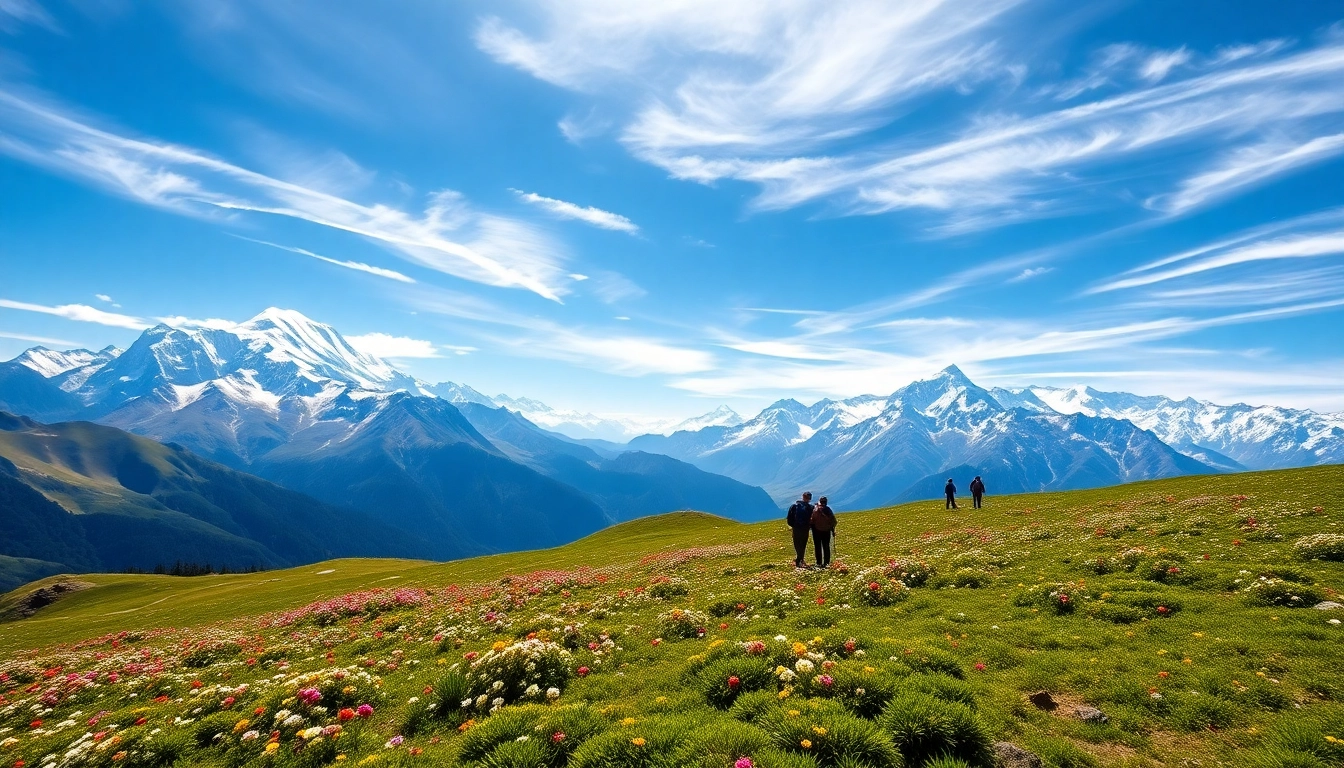
The Goechala trek is renowned for its stunning vistas and challenging paths, culminating in breathtaking views of Mount Kanchenjunga, the third highest peak in the world. Covering approximately 90km over 11 days, this trek takes adventurers through lush forests, alpine meadows, and rugged trails, making it perfect for those seeking both beauty and a test of endurance. The combination of natural splendor and challenging terrain has made it a coveted destination for trekking enthusiasts.
Location and Accessibility
Starting from Yuksom in West Sikkim, the Goechala trek is accessible via a drive from major towns like Siliguri or Gangtok. The remote location adds an element of untouched beauty, with the trail leading trekkers through the Kanchenjunga National Park, a UNESCO Biosphere Reserve. While the journey may require a bit of planning, the exhilarating trek through this otherwise unexplored territory makes it all worthwhile.
Unique Aspects of the Goechala Trek
What sets the Goechala trek apart is not just the stunning landscapes but also the rich biodiversity and cultural experiences that accompany the journey. As trekkers meander through ancient forests, they may spot unique wildlife like red pandas and varied bird species endemic to the region. Additionally, the trek offers a glimpse into the local culture, with opportunities to interact with the welcoming Sikkimese people, explore small villages, and experience traditional lifestyles.
Preparation for Goechala Trek
Proper preparation is crucial for traversing the challenges of the Goechala trek. From physical fitness to essential gear, understanding what is needed to undertake this journey will significantly enhance the overall experience.
Physical Fitness Requirements
The Goechala trek is classified as a difficult trek, necessitating a good level of physical fitness. Trekkers should engage in a fitness routine that includes cardiovascular exercises like running, cycling, and stair climbing. Building endurance is essential to handle the steep ascents and descents that characterize the journey. A well-prepared body can make a significant difference in how enjoyable the trek will be.
Essential Gear and Equipment
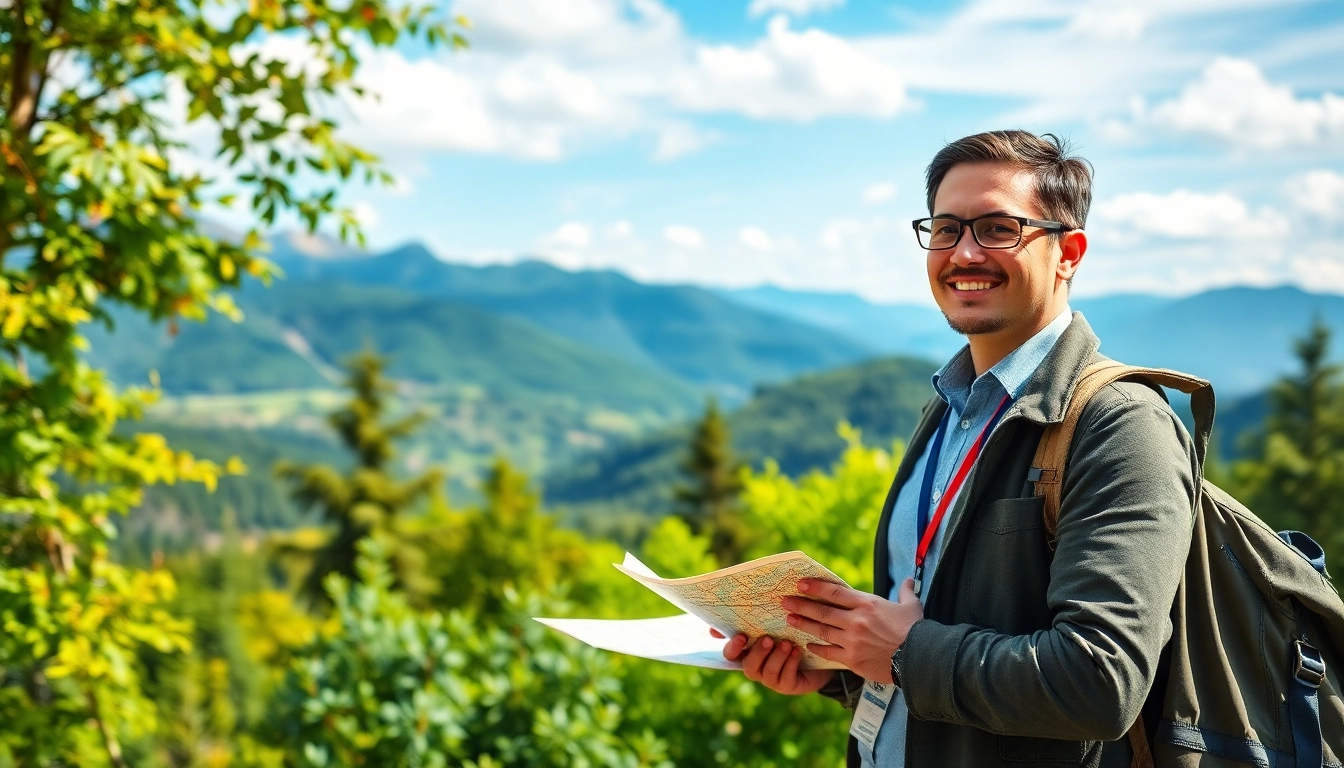
Having the right gear is imperative for a successful trek. Essential items include sturdy trekking shoes, a durable backpack, warm clothing, and foot gear suitable for varied weather conditions. Camping gear such as tents and sleeping bags should be lightweight yet insulated. Additionally, trekkers are advised to carry first aid kits, water purification tablets, and a reliable source of navigation like maps or GPS devices.
Best Time to Trek Goechala
The best time to embark on the Goechala trek is during the pre-monsoon months of April to June or post-monsoon from September to November. During these periods, trekkers can enjoy clear skies and moderate temperatures, enhancing the overall trekking experience. The landscapes transform with vibrant flora in spring and a stunning display of autumn hues, adding to the natural beauty of the trek.
Itinerary for Goechala Trek
The trek typically spans 11 days, with each day presenting new challenges and exciting scenery. Below, we detail the itinerary to provide trekkers with a clearer understanding of what lies ahead.
Day-by-Day Breakdown
Day 1: Arrival in Yuksom – Acclimatize and explore the local area.
Day 2: Trek from Yuksom to Sachen (10 km) – Enjoy lush forests and beautiful scenery.
Day 3: Sachen to Tshoka (7 km) – Experience cascading rivers and sighting of wildlife.
Day 4: Tshoka to Dzongri (10 km) – Ascend through rhododendron forests with stunning views at Dzongri.
Day 5: Rest day at Dzongri – Acclimatization and local exploration.
Day 6: Dzongri to Goechala Base Camp (9 km) – Reap the reward of panoramic views of Himalayan peaks.
Day 7: Summit at Goechala Pass and return to Dzongri.
Day 8: Descend to Tshoka.
Day 9: Return to Sachen.
Day 10: Trek back to Yuksom.
Day 11: Departure from Yuksom.
Camping Info and Facilities
Each camping site along the Goechala trek is managed to provide basic facilities. Trekkers can expect shared tents, kitchen facilities, and access to local guides. Nightly meals often incorporate local cuisine, offering a taste into the culture, which is a highlight for many trekkers. Basic sanitation facilities are available, though it is recommended to carry personal hygiene supplies.
Highlighting Scenic Spots
The journey is dotted with scenic spots, including breathtaking views from Dzongri, the pristine Goechala Pass, and the lush landscapes of Tshoka. The unique geology and flora create an atmosphere that feels remote and serene, encouraging trekkers to fully immerse themselves in the changes of landscape as they ascend to higher altitudes.
Challenges of Goechala Trek
Although the thrill of adventure is compelling, trekkers must prepare for various challenges that may arise during the Goechala trek.
Altitude and Safety Concerns
The Goechala trek reaches high altitudes, which can lead to altitude sickness if one is unaccustomed to the conditions. Symptoms such as headache, nausea, and breathlessness should be monitored closely. Proper acclimatization is essential, and trekkers are recommended to ascend slowly and stay hydrated.
Weather Variability
Weather conditions can be unpredictable in the mountains. Trekkers may experience sudden storms, changes in temperature, or heavy rainfall, which can affect visibility and trail safety. Carrying wet-proof and extra warm clothing is essential, and a flexible itinerary can help adjust plans according to on-ground conditions.
Common Trekking Difficulties
Aside from unpredictable weather, common trekking difficulties include rugged trails, steep ascents, and rough terrain. Trekkers should be mentally prepared for physical exertion and have strategies to manage fatigue. Taking regular breaks, eating energy-rich snacks, and encouraging your co-trekkers can enhance the experience amidst these challenges.
FAQs about the Goechala Trek
What is the difficulty level of Goechala trek?
The Goechala trek is rated as difficult. Trekkers need good fitness, endurance, and prior trekking experience.
How much does the Goechala trek cost?
The cost typically ranges based on the trekking agency and package, including transportation and accommodation. Research is advisable.
What fitness level is required for Goechala trek?
A moderate to high fitness level is required, including cardiovascular fitness and strength training. Training is essential.
How long does the Goechala trek typically take?
The trek usually spans 11 days, covering approximately 90 km. This includes acclimatization and rest days.
What gear is essential for Goechala trek?
Essential gear includes trekking shoes, a warm jacket, waterproof clothing, sleeping bag, and a first aid kit. Proper gear is crucial.