
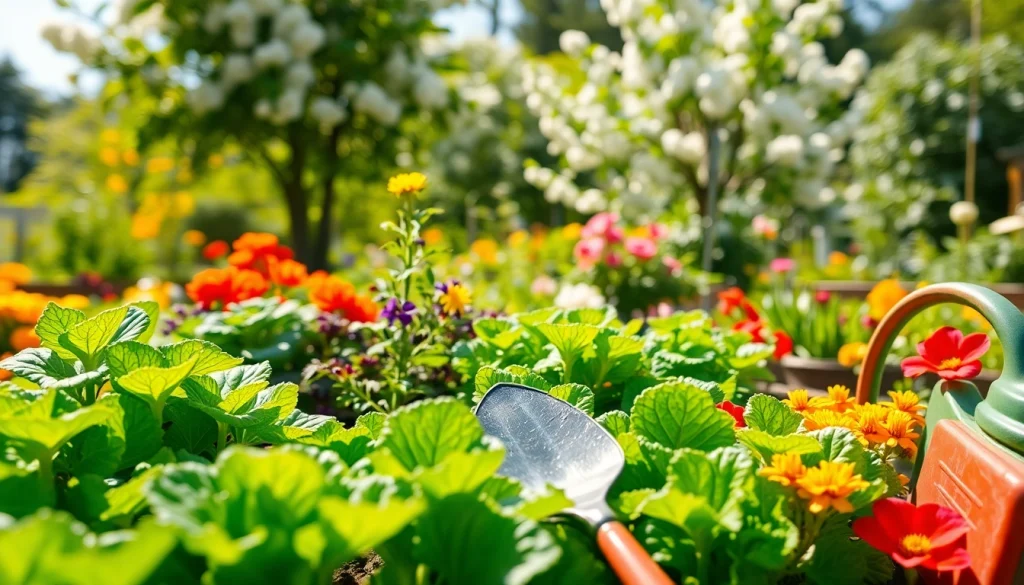
Getting Started with Gardening
Gardening is a rewarding and therapeutic activity that not only allows you to cultivate plants but also connect with nature. Whether you’re a seasoned gardener or a beginner, understanding the basics is essential for successful gardening. In this article, we’ll explore the fundamental aspects of Gardening, from preparing your garden space to advanced gardening techniques. We’ll equip you with practical tools and insights, enabling you to thrive as a gardener. For more gardening tips and tricks, check out Gardening.
Understanding Your Garden Space
The first step in any gardening journey is to understand your garden space. Assessing the size, layout, and environment of your garden helps you make informed decisions about what to plant and how to care for it. Factors like sunlight exposure, wind direction, and soil type play significant roles in your gardening success.
Begin by analyzing how much sunlight different parts of your garden receive throughout the day. Most vegetables and flowers require at least six hours of direct sunlight. Additionally, consider the wind conditions; plants in exposed areas may need protection from strong winds. Finally, take soil samples from various spots to assess its composition, pH level, and drainage capacity, as these factors will determine the types of plants suitable for your garden.
Choosing the Right Plants for Your Environment
After understanding your garden space, the next step is selecting the right plants for your environment. This choice is influenced by climate, soil type, and personal preference. For example, if you’re in a humid region with rich, well-drained soil, consider planting tomatoes, peppers, or herbs, which thrive in such conditions. Conversely, if you’re in a drought-prone area, opt for drought-resistant plants like succulents or native wildflowers that require less water.
It’s also essential to consider the growing season. Some plants may require early planting in the spring, while others are better suited for fall planting. Research the best planting times for your chosen plants based on your local climate.
Basic Gardening Tools and Their Uses
Having the right tools can significantly enhance your gardening experience. Here’s a list of essential tools every gardener should consider:
- Trowel: Ideal for digging small holes, planting, and transferring soil.
- Pruning Shears: Perfect for trimming and shaping plants, improving their health.
- Garden Fork: Useful for loosening soil and mixing in organic matter.
- Watering Can: Provides efficient water delivery to your plants, especially delicate seedlings.
- Gloves: Protect your hands from dirt, injuries, and plant thorns.
Investing in high-quality tools that are comfortable to use will make your gardening tasks easier and more enjoyable.
Gardening Techniques for Success
To achieve a thriving garden, it’s important to utilize effective gardening techniques. Here are some essential practices to consider:
Soil Preparation and Fertility Management
Healthy plants start with healthy soil. Preparing your soil involves testing its nutrient content and making necessary amendments. You can perform a soil test kit at home or send a sample to a local agricultural extension office.
Depending on the results, you may need to add organic matter such as compost, peat moss, or well-rotted manure to improve soil fertility. A balanced mixture of nitrogen, phosphorus, and potassium, along with micronutrients, ensures your plants receive the nutrients they need.
Moreover, consider crop rotation and companion planting to maintain soil health. These practices help to optimize nutrient usage, break pest and disease cycles, and enhance biodiversity in your garden.
Watering Strategies for Healthy Growth
Proper watering techniques are vital for plant health. Overwatering or underwatering can lead to stunted growth or plant death. A general rule of thumb is to water your garden deeply but infrequently.
Use a soaker hose or drip irrigation system for efficient water delivery, minimizing evaporation while ensuring moisture reaches plant roots effectively. Early morning is the best time to water, as it reduces evaporation and allows leaves to dry before nightfall, preventing fungal diseases.
Effective Pest Control Methods
Pests can wreak havoc on your garden if not managed properly. Adopting an integrated pest management (IPM) approach combines various strategies:
- Preventive Measures: Use barriers, such as row covers, and encourage beneficial insects to keep pests in check.
- biological Control: Introduce natural predators like ladybugs or lacewings to control aphid populations.
- Organic Treatments: If needed, use organic pesticides as a last resort, ensuring they are safe for your garden’s ecosystem.
Vigilance is key. Regularly inspect your plants and take immediate action against any signs of pest infestations.
Seasonal Gardening Practices
Gardening is a year-round activity, and understanding seasonal practices can enhance your success.
Spring Planting: What to Sow and When
Spring is often seen as the season of renewal and growth. As temperatures rise and frost threats diminish, it’s time to start planting. Early spring is ideal for sowing hardy crops like peas, spinach, and lettuce, which can tolerate cooler temperatures.
As the weather warms in late spring, transition to planting tender vegetables such as tomatoes, peppers, and squash after the last frost. Using row covers can extend your growing season by protecting young plants from unexpected cold snaps.
Summer Care: Maintaining Your Garden’s Health
In summer, your garden demands ongoing attention. This includes regular watering, mulching to retain soil moisture, and weeding to minimize competition for nutrients. Implementing companion planting can also maximize space and yield in your garden.
Keep an eye out for diseases and pests that thrive in warm, humid environments. Ensure proper air circulation between plants and the prompt removal of any diseased foliage can help mitigate these issues.
Fall Harvesting: Tips for Maximizing Your Yield
As summer transitions into fall, it’s time to harvest the fruits of your labor. Early fall is often when you’ll find the largest yields from crops like tomatoes, squash, and peppers. Harvest regularly to encourage continued production.
After harvesting, consider planting cover crops to enrich your soil over the winter. These crops prevent erosion and enhance soil quality for the following spring’s planting.
Innovative Gardening Ideas
Thinking outside the box can make your gardening experience even more rewarding. Here are some innovative gardening concepts to consider.
Container Gardening for Small Spaces
Container gardening is an excellent option for those with limited space. Utilizing various container types—whether hanging baskets, pots, or vertical planters—enables you to maximize your gardening potential, even in small apartments or urban settings.
Choose containers that are large enough to accommodate the root systems of your plants while allowing for proper drainage. Strong options for container gardening include tomatoes, herbs, and even dwarf fruit trees.
Vertical Gardening Techniques
Vertical gardening is another creative way to save space and create a stunning visual impact. Using trellises, wall-mounted planters, or vertical gardens can transform any wall or small terrace into a lush edible garden.
Consider incorporating plants that naturally grow upward, such as peas, cucumbers, and pole beans, to maximize vertical space. This method not only saves ground space but also improves air circulation, reducing the risk of mildew.
Companion Planting for Increased Productivity
Companion planting involves growing different plants in proximity to benefit each other. Certain combinations can improve growth rates, repel pests, and enhance flavors. For example, planting marigolds alongside tomatoes can deter nematodes, while basil is known to enhance the flavor of tomatoes and repel common pests.
Research various companion planting combinations to create a thriving ecosystem in your garden that promotes biodiversity and resilience.
Advanced Gardening Concepts
For seasoned gardeners looking to elevate their gardening, exploring advanced concepts can yield remarkable results.
Hydroponics: A Soil-less Approach to Gardening
Hydroponics is a method of growing plants without soil, utilizing nutrient-rich water solutions instead. This technique allows for faster growth and the ability to grow crops year-round, regardless of outdoor conditions. Hydroponic systems can vary from simple setups using containers to complex systems utilizing pumps and grow lights.
Successful hydroponics requires careful monitoring of nutrient levels, pH balance, and water quality. The reduced need for soil also eliminates soil-borne pests and diseases, creating a cleaner growing environment.
Permaculture: Sustainable Gardening Principles
Permaculture is a holistic approach to gardening that emphasizes sustainability, environmental harmony, and self-sufficiency. By observing natural ecosystems, gardeners can design sustainable living systems that take advantage of local resources while minimizing waste.
Key principles include diversity in planting, soil health through composting, and water conservation practices. Utilizing these principles can lead to more resilient gardens that produce abundance while contributing to ecological health.
Garden Design and Aesthetics
Creating an aesthetically pleasing garden design can enhance the overall gardening experience. Incorporate principles of design by considering elements such as color, texture, and height. Layering plants of varying heights creates visual interest, while a mix of foliage types and colors contributes to a dynamic environment.
Moreover, consider incorporating pathways, seating areas, and focal points like trellises or sculptures to create inviting spaces within your garden. Thoughtful design can encourage more time spent enjoying the fruits of your labor.