

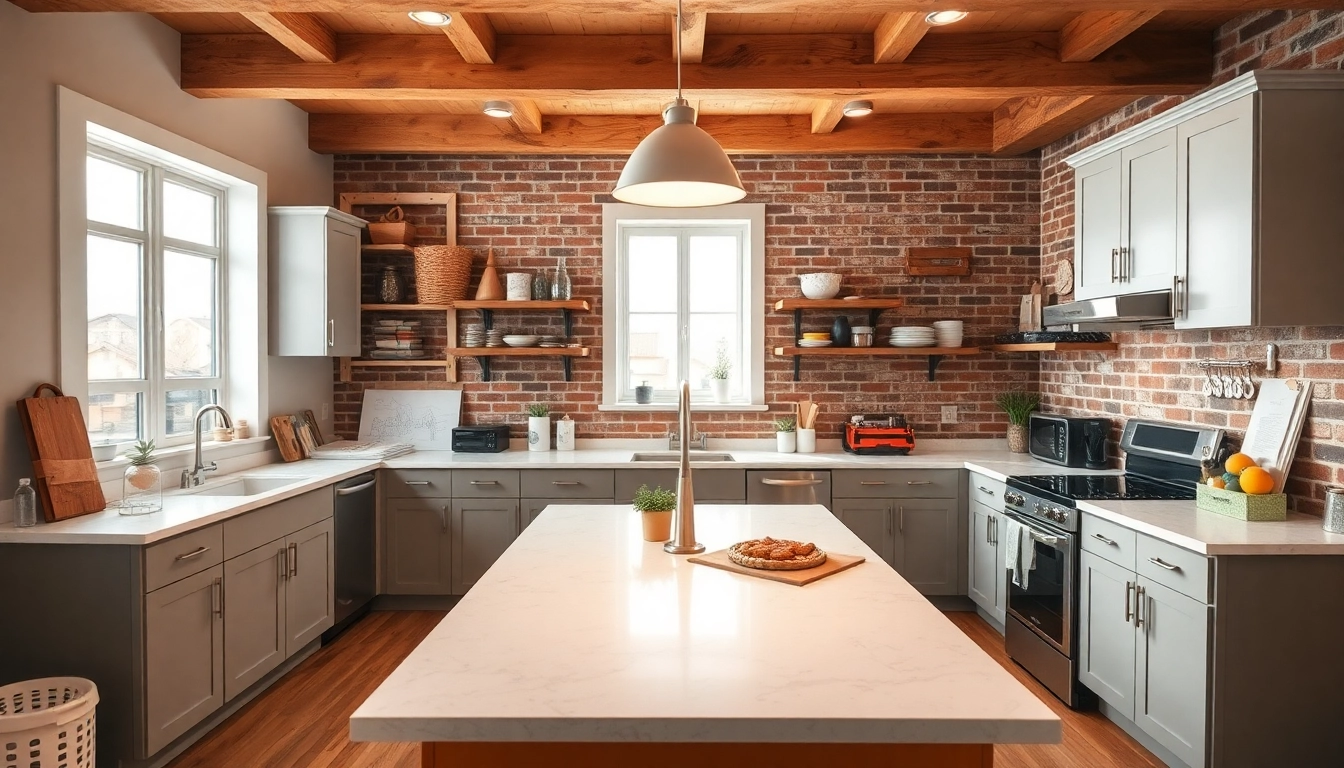
Understanding Home Renovation: Key Concepts
Home renovation is a transformative process that not only enhances the aesthetics and functionality of your dwelling but can also significantly increase its market value. For homeowners, understanding the various facets of this endeavor is crucial in making informed decisions, whether you’re contemplating upgrading your kitchen, expanding your living space, or enhancing your property’s energy efficiency. In a world where home improvements are increasingly popular, grasping the core concepts can pave the way for a successful project. Exploring the essentials—spanning from identifying the importance of renovation to debunking common myths—can set the foundation for an inspiring and rewarding home transformation journey.
The Importance of Home Renovation
Home renovation is pivotal for several reasons, resonating well beyond aesthetic enhancements. Firstly, it can significantly boost the overall market value of your property. Strategic renovations such as upgrading kitchens or bathrooms often yield a substantial return on investment (ROI). Moreover, renovations can improve energy efficiency, leading to decreased utility bills, and provide an opportunity to modernize living spaces with the latest technologies and materials. Renovation also allows homeowners to adapt their space to fit their evolving needs, whether that means accommodating a growing family or creating a home office.
Common Myths and Misconceptions
Despite the benefits, several myths surround home renovation, which can lead to hesitations and misinformation. One prevalent misconception is that renovations are exclusively for the wealthy. In reality, there are various options and scales of renovation that cater to all budgets. Another myth is that home renovations always guarantee a return on investment. While many upgrades can increase property value, some projects may not yield the anticipated gains. Lastly, the belief that all renovations require professional help deters many DIY enthusiasts. Many projects can be managed successfully by homeowners with the right tools and knowledge.
Types of Home Renovation Projects
Home renovation projects can be broadly categorized into three domains: aesthetic renovations, functional renovations, and structural renovations. Aesthetic renovations focus on improving the appearance of a space through upgrades like paint, flooring, lighting, and fixtures. Functional renovations seek to enhance the usability of certain areas, such as reconfiguring a kitchen layout or integrating smart home technology. Lastly, structural renovations can include significant alterations like adding new rooms or replacing roofs and foundations, often requiring expert input and structural engineering assessments.
Planning Your Home Renovation
Effective planning is the backbone of any successful Home renovation. Laying a solid groundwork involves a comprehensive understanding of budgeting, timelines, and design preferences, all of which can dictate the trajectory of your renovation project.
Setting a Realistic Budget
Budgeting is often considered one of the most challenging aspects of renovation. Homeowners must account for several expenses, including materials, labor, permits, and unexpected contingencies. A practical approach is to establish a budget by determining how much you’re willing to invest and identifying must-have items versus nice-to-have features. Researching local material costs and consultation with contractors can help refine estimates. Moreover, allocating a buffer of 10-20% of your total budget for unforeseen issues is advisable to avoid financial stress.
Creating a Timetable for Execution
Another critical element of renovation planning is establishing a timetable. Creating a project timeline involves mapping out each phase of the renovation, accounting for material procurement, labor availability, and site preparation. Using project management tools can assist in visually documenting timelines and tracking progress. It’s also essential to factor in possible delays due to weather, permits, or material shortages. Communicating regularly with contractors helps ensure that all parties are aligned with the timeline, maintaining momentum throughout the project.
Choosing the Right Design Style
Home renovations provide a unique opportunity to express personal style and preferences through design. Before diving into renovations, consider your design style—whether contemporary, traditional, or rustic—to ensure coherence across your home. This involves selecting color palettes, materials, and furniture that align with your vision. Exploring design inspirations through magazines, websites, or social media platforms can help homeowners clarify their aesthetic preferences and make informed choices throughout the renovation process.
Executing the Renovation: Best Practices
When it comes to execution, meticulous attention to detail and adherence to best practices can make or break a renovation project. From finding qualified contractors to effective project management techniques, executing your renovation transforms the vision into reality.
Finding Skilled Contractors for Home Renovation
Hiring the right contractors is paramount to the success of any renovation. Begin by research and gathering recommendations from friends, family, or online forums. When vetting candidates, look for contractors with reputable licenses, insurance, and a solid portfolio showcasing previous work. Interview top candidates and request detailed bids outlining planned work, costs, and timelines. Getting multiple quotes can provide insight into realistic pricing and help you choose contractors best suited for your project’s unique needs.
Effective Project Management Techniques
Managing a renovation project requires keen organizational skills. Homeowners can employ project management techniques such as Gantt charts to visualize project timelines, assign tasks, and monitor progress. Establish regular check-ins with contractors to discuss updates, timelines, and any emerging issues. Additionally, use software tools designed for home renovation management to streamline processes, whether it’s tracking expenses, scheduling tasks, or reviewing designs.
Staying on Schedule and Within Budget
Staying on target regarding budget and schedule calls for proactive monitoring. Maintaining an open line of communication with contractors is crucial. Regularly assess project milestones against your initial timeline and budget throughout the renovation. Adjust plans as necessary in response to delays or additional costs while maintaining transparency with contractors to manage expectations.
DIY Home Renovation: When to Take the Lead
DIY renovations have grown in popularity due to their potential cost-effectiveness and the rewarding experience of creating something uniquely yours. However, understanding when to take the lead versus when to seek professional help is essential.
Essential Tools for Home Renovation
Having the right tools can significantly enhance your DIY experience. Essential tools may include power drills, saws, hammers, measuring tapes, and levels. Safety equipment such as goggles, gloves, and masks should also be prioritized. Connecting with local hardware stores can allow you to rent specialized tools required for specific tasks, reducing upfront costs.
Steps for Successful DIY Projects
The success of DIY projects often stems from thorough planning and preparation. Start by defining your project scope and goals before gathering materials. Create a detailed step-by-step plan outlining materials, timelines, and techniques required for execution. It’s beneficial to watch tutorials or read guides related to your specific project to familiarize yourself with best practices, tools, and safety precautions. Finally, work systematically and be prepared to adjust as needed.
Common DIY Mistakes to Avoid
Despite the appeal of DIY, pitfalls can lead to frustrating outcomes. Common mistakes include insufficient preparation, underestimating project time, using inappropriate materials, and cutting corners on safety measures. To avoid these errors, ensure adequate research and proper planning before diving into any renovation. Engaging with online communities can also offer insights into potential challenges and solutions encountered by others.
Evaluating the Results of Your Home Renovation
Once your renovation is complete, the evaluation phase is vital for understanding the project’s successes and any areas for future improvement. This involves assessing both aesthetic and functional aspects of your renovation while seeking feedback and insights.
Measuring Success: Performance Metrics
Defining success in renovation can vary from homeowner to homeowner. Several performance metrics can be applied, including evaluating whether the renovation met its objective, budget adherence, and overall satisfaction with the finished space. Key indicators might include enhanced functionality, improved energy efficiency, and visual appeal. Collect data on energy bills pre- and post-renovation, and track usage patterns to gauge transformation impact.
Feedback and Adjustments Post-Renovation
After the completion of your renovation, gathering feedback is essential to identify what worked well and what could be improved. Engage with family members or friends who can provide objective assessments and constructive criticism. If you notice any issues that arise post-renovation, addressing them promptly can prevent long-term complications, ensuring overall satisfaction with the completed work.
Long-Term Maintenance Strategies
Long-term success hinges on an effective maintenance strategy following renovations. Establishing a regular maintenance schedule that includes cleaning, inspections, and repairs can prolong the life and appearance of newly renovated spaces. Create a checklist specific to materials used, such as paint care or appliance upkeep, to help maintain the quality of the renovation. Additionally, nurturing your home with seasonal care routines fosters longevity, elevating the living experience.