
Understanding Structural Steel Fabrication: A Comprehensive Guide
The construction industry continues to evolve, driven by innovations in technology, design, and material usage. Among these advancements, structural steel fabrication stands out as a critical process that shapes buildings, bridges, and various infrastructures. This article will delve into the multifaceted world of structural steel fabrication, offering insights into its definition, processes, benefits, challenges, and future trends.
What is Structural Steel Fabrication?
Definition and Overview of Structural Steel Fabrication
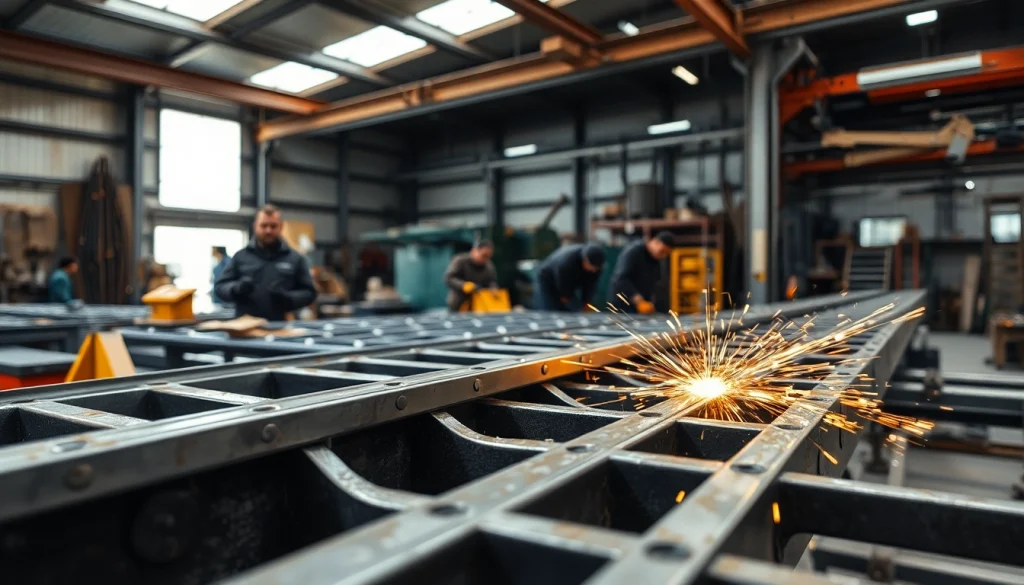
Structural steel fabrication refers to the process of transforming raw steel materials into components that will form the skeleton of buildings, bridges, and other structures. This involves several stages, including cutting, bending, welding, and assembling. The precision and quality of these components are paramount, as they must meet strict engineering standards and safety regulations.
Key Components Involved in Structural Steel Fabrication
Structural steel fabrication encompasses various components, including:
- Beams: Horizontal supports that bear loads.
- Columns: Vertical structures that support beams.
- Brackets: Supportive structures that connect different elements.
- Connectors: Fasteners used to join steel components.
- Plates and Channels: Flat steel shapes that serve various construction purposes.
Common Applications of Structural Steel Fabrication
Structural steel fabrication is used across a multitude of applications, including:
- Commercial Buildings: High-rises and office complexes rely heavily on steel frameworks.
- Industrial Structures: Factories and warehouses require robust steel constructions.
- Infrastructure Projects: Bridges, highways, and railways are typically built with steel frameworks for durability and safety.
- Residential Projects: Increasingly popular for modern homes and buildings, providing flexibility in design.
- Specialized Structures: Stadiums, auditoriums, and other unique constructions benefit from the strength of steel.
The Structural Steel Fabrication Process
Preparation and Design Stages
The fabrication process begins long before the first cut of steel is made. Preparation involves several critical steps:
- Design and Planning: Engineers create detailed blueprints that outline dimensions, materials, and specifications.
- Material Selection: Choosing the right grade of steel depending on the project requirements is essential for strength and longevity.
- Shop Drawings: Detailed drawings are prepared to guide the fabrication process, ensuring all components fit together perfectly.
Techniques in Structural Steel Fabrication
Several techniques are employed during the fabrication process:
- CNC Cutting: Computer Numerical Control (CNC) machines ensure precise cutting at high speeds.
- Bending and Forming: Specialized machines bend steel to required angles and shapes without compromising structural integrity.
- Welding: Different welding methods, such as MIG, TIG, and arc welding, are employed to join steel components securely.
- Surface Treatment: Steel is often coated or galvanized to protect against corrosion and improve aesthetics.
Inspection and Quality Assurance Measures
Ensuring the integrity of fabricated steel components is vital. Quality assurance measures include:
- Dimensional Inspection: Verifying that fabricated components meet exact specifications.
- Weld Inspection: Non-destructive testing methods such as ultrasound and radiography assess the quality of welds.
- Final Review: A comprehensive inspection is conducted before the components are transported to the construction site.
Benefits of Structural Steel Fabrication
Cost-Effectiveness in Construction
One of the primary benefits of using structural steel fabrication is its cost-effectiveness. Fabricated components tend to have lower installation costs due to their precision and ease of assembly. Additionally, the longer lifecycle of steel compared to other materials reduces long-term renovation and maintenance costs.
Durability and Strength Advantages
Structural steel is renowned for its strength-to-weight ratio, making it incredibly durable. Steel’s natural ability to withstand various environmental stresses, coupled with its resistance to pests and rot, ensures longevity and enhances overall structural integrity.
Flexibility in Design
In architectural design, flexibility is crucial. Structural steel fabrication accommodates complex designs and enables the creation of larger open spaces due to its strength. This adaptability allows architects and engineers to think outside the box without compromising safety.
Challenges in Structural Steel Fabrication
Material Sourcing and Cost Management
One of the significant challenges in structural steel fabrication is material sourcing and managing costs. Fluctuations in steel prices can impact budgets significantly, necessitating strategic planning and collaboration with suppliers to secure favorable rates and ensure consistent material quality.
Workforce Skills and Training Necessities
The complexity of fabrication processes requires a skilled workforce well-versed in modern tools and techniques. Continuous training and development are essential to maintain high-quality standards and to keep pace with evolving technologies in the industry.
Environmental Considerations and Sustainability Practices
As sustainability becomes a priority, the structural steel fabrication industry must also adapt. This includes sourcing steel from recycled materials, improving energy efficiency in fabrication processes, and reducing waste. Implementing sustainable practices not only benefits the environment but also enhances a company’s reputation and competitiveness.
Future Trends in Structural Steel Fabrication
Innovations Shaping the Fabrication Industry
The future of structural steel fabrication looks promising, buoyed by innovations such as automation and robotics. Smart technologies enhance precision and reduce labor costs, while advancements in materials science lead to the development of stronger, lighter steel alloys.
Impact of Technology on Structural Steel Fabrication
The integration of technology in fabrication processes, like Building Information Modeling (BIM), facilitates better planning and execution, minimizing errors and improving collaboration among project stakeholders. Such technologies enable real-time monitoring of projects, promoting efficiency and transparency.
Predictions for Market Growth and Demand
As urbanization continues and infrastructure needs grow, demand for structural steel fabrication is expected to rise. The trend for sustainable building practices will likely push the industry toward more eco-friendly materials and practices, further driving growth and innovation.