Exploring the History Behind the First Bitcoin NFT Collections
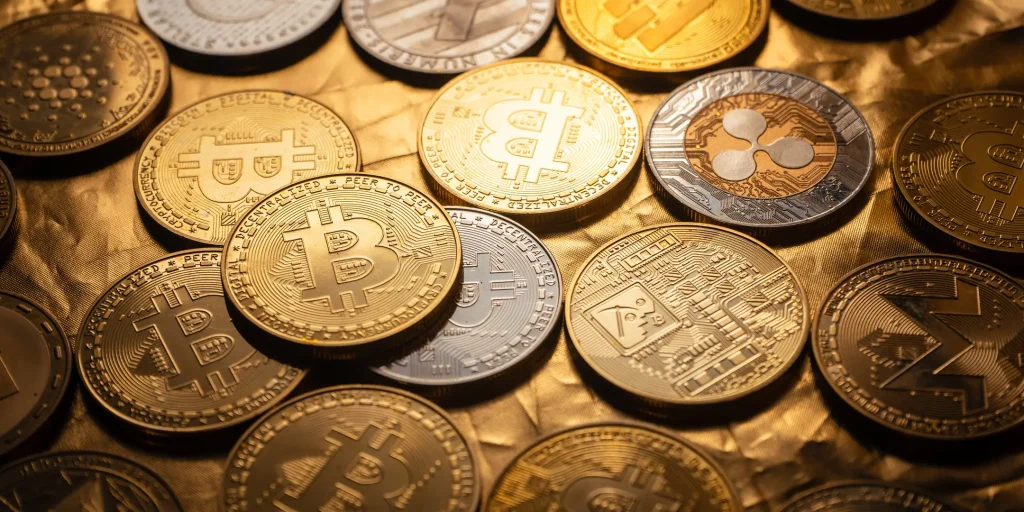
The history of the Bitcoin NFT ecosystem is unlike anything else in digital culture. Long before NFTs became mainstream, creators were already experimenting with scarcity, digital ownership, and on-chain art directly on Bitcoin. These early innovations laid the groundwork for everything the world now recognizes as blockchain collectibles. As interest surges in 2025, collectors on Horizon Market are rediscovering the roots of the Bitcoin NFT movement, uncovering stories, artists, and technologies that shaped today’s thriving market.
The Origins of On-Chain Digital Collectibles
Bitcoin as the First Canvas for Digital Scarcity
Before any other blockchain attempted art or collectibles, Bitcoin quietly became the home of the earliest experiments. The creators behind the first Bitcoin NFT believed that digital items should be permanently anchored to the most secure chain possible. These early pioneers valued decentralization and longevity over hype, a philosophy that still drives collectors today.
Birth of Counterparty and Tokenized Art
In 2014, the Counterparty protocol introduced a new way to create and trade digital assets using Bitcoin. It played a crucial role in shaping the first generation of Bitcoin NFT collections. Counterparty enabled simple yet powerful token creation, allowing early artists and developers to mint assets with fixed scarcity and verifiable on-chain provenance. This technological breakthrough changed the future of digital art.
The First Legendary Bitcoin NFT Collections
Rare Pepes: The Cultural Catalyst
Among the earliest historic collections, Rare Pepes quickly became a defining symbol of the Bitcoin NFT era. Their mix of humor, meme culture, and creative expression birthed an entirely new digital underground. Rare Pepes introduced the world to collectible trading on Bitcoin, and many of these cards remain highly coveted for their role in early blockchain history.
Spells of Genesis: Gaming Meets Blockchain
Spells of Genesis emerged alongside Rare Pepes, offering some of the first blockchain-based gaming cards. These assets were among the earliest tokens traded as a Bitcoin NFT, merging gameplay with verifiable digital scarcity. Many collectors consider these cards to be foundational artifacts that demonstrate how digital ownership can extend beyond simple artwork.
Why Early Bitcoin NFT Experiments Still Matter
True On-Chain Permanence
A major reason these collections remain respected is their approach to permanence. The first creators understood the importance of storing data directly on Bitcoin. This ensures that the original Bitcoin NFT cards remain preserved exactly as they were minted, immune to external server shutdowns or metadata loss.
Scarcity That Cannot Be Altered
Unlike modern ecosystems where creators can easily adjust supplies or mint derivatives, early Bitcoin NFT collections were created with strict, unchangeable limits. Many assets have micro-supplies, sometimes only a handful of units. This immutability contributes greatly to their long-term value.
The Influence on Today’s Bitcoin NFT Culture
A Blueprint for Modern Creativity
The design philosophy behind early tokens continues to inspire today’s creators. Many modern artists choose to mint a Bitcoin NFT because they value cultural longevity. The foundational collections proved that Bitcoin could host art that would outlive trends.
Revival Through Horizon Market
In 2025, platforms like Horizon Market have brought unprecedented visibility to these historic assets. Collectors can now browse, verify, and trade any vintage Bitcoin NFT, making it easier to explore early digital art movements that once required deep technical knowledge.
The Evolution of Trading and Community
From Niche Experiments to Global Movement
Early collectors were a small, passionate group experimenting with blockchain technology. Today, the Bitcoin NFT community has grown into a worldwide network of historians, traders, and digital art enthusiasts. Their collective efforts have revived interest in early collections and created a demand for authentic, on-chain pieces.
Trustless Swaps and Provenance
The first Bitcoin NFT traders developed trustless swap methods that still define how assets are exchanged today. Every transfer is recorded on Bitcoin, creating a transparent history that collectors can verify without relying on centralized databases.
Why Collectors Are Returning to the Early Era
Historical Weight and Cultural Relevance
Collectors appreciate not only the rarity but also the narratives behind each early Bitcoin NFT. These artifacts tell the story of digital ownership before the world took notice. Their significance gives them a timeless appeal that modern mint-and-flip projects struggle to achieve.
A Growing Market for Digital Antiquities
As more people value digital history, early Bitcoin-based items have become the equivalent of art antiques. Owning a vintage Bitcoin NFT means holding a piece of blockchain’s formative years—a digital relic of the first creative wave.
Conclusion
The earliest Bitcoin NFT collections represent more than just digital art—they are milestones in technological and creative evolution. Their creators pioneered the concepts of scarcity, permanence, and decentralized ownership that power today’s thriving ecosystem. As collectors continue exploring these origins on Horizon Market, the importance of the first Bitcoin NFT projects becomes clearer than ever. Understanding this history not only enriches the collecting experience but also highlights why Bitcoin remains the foundation of meaningful, enduring digital art.