Understanding Interior Wall Paneling
What is Interior Wall Paneling?
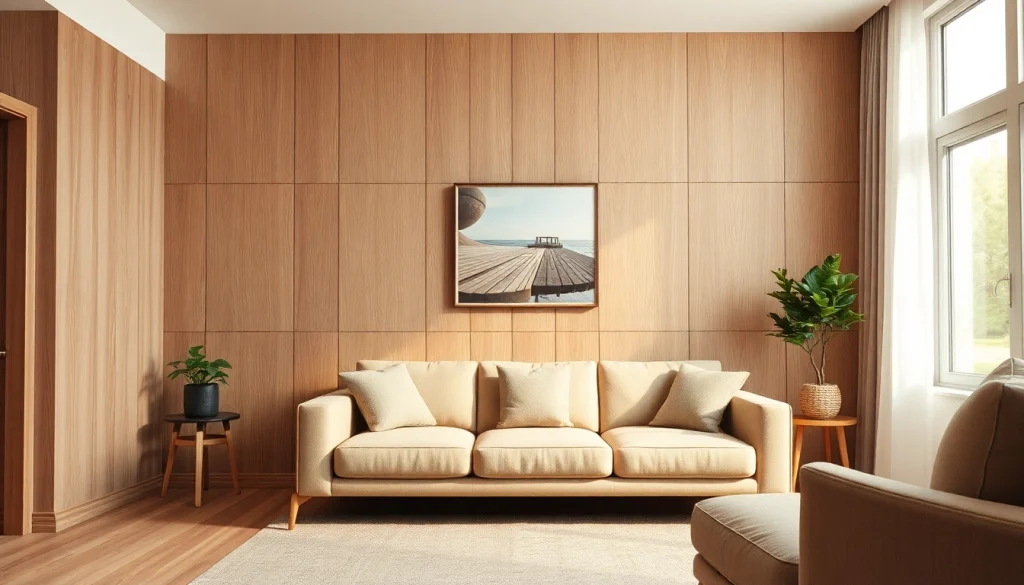
Interior wall paneling refers to the application of wood, plastic, or other materials to walls to achieve a decorative finish or to improve insulation and protection. Traditionally used in residential and commercial spaces alike, interior wall paneling has evolved from basic wood boards to sophisticated designs that offer various aesthetic choices and functional benefits.
Benefits of Using Interior Wall Paneling
There are numerous advantages to incorporating wall paneling into your interior design:
- Aesthetic Appeal: Wall paneling adds depth and visual interest, transforming flat walls into dynamic surfaces.
- Insulation: Paneling can improve thermal and acoustic insulation, enhancing a room’s comfort.
- Durability: Quality panels are robust and resistant to wear, making them suitable for high-traffic areas.
- Easy Maintenance: Many paneling materials are easy to clean and maintain, requiring minimal upkeep.
- Design Flexibility: With various materials and styles available, wall paneling can suit almost any design theme.
Common Types of Interior Wall Paneling
Understanding the different types of paneling available can help you make the right choice for your space:
- Wood Paneling: Classic and elegant, wood paneling can bring warmth and texture to any room.
- MDF Paneling: Medium-density fiberboard (MDF) is a cost-effective option that mimics wood but is lighter and often easier to work with.
- Vinyl Paneling: Durable and weatherproof, vinyl panels are ideal for high-moisture areas such as basements and bathrooms.
- Plywood Paneling: A versatile material available in various finishes, plywood offers natural wood aesthetics at a lower cost.
- Tile Paneling: Perfect for providing a modern look, especially in kitchens and bathrooms, tile panels can be stylish and functional.
Choosing the Right Material for Interior Wall Paneling
Wood Paneling: Classic and Timeless
Wood paneling remains a favorite due to its natural beauty and versatility. Options range from oak, pine, and cedar to more exotic species. Consider factors such as grain pattern, color, and finishing processes when choosing wood paneling to complement your interior design.
MDF vs. Plywood: Which to Choose?
Both MDF and plywood serve as effective wall paneling options, yet they have distinct characteristics:
- MDF: Easier to cut and shapes well, MDF has a smooth surface suitable for painting. It’s more affordable and doesn’t warp as easily as wood.
- Plywood: While slightly heavier, plywood offers strength and rigidity. The aesthetic varies immensely based on the veneer chosen, allowing for a range of designs.
Eco-Friendly Options for Sustainable Design
For an eco-conscious choice, consider sustainable wood sourced from responsibly managed forests or use recycled materials. Bamboo paneling is also an innovative and renewable option, providing a unique look while reducing environmental impact.
Design Ideas for Interior Wall Paneling
Accent Walls: Creating a Focal Point
Accent walls created with paneling can serve as bold focal points in a room. Opt for a dark wood in a light space or a colorful panel finish to draw attention to specific areas such as behind a bed or sofa. These walls can set the mood and character for the entire room.
Combining Textures and Patterns
Mixing different materials and textures increases the visual interest of your space. For example, pairing smooth MDF panels with rough-hewn wood can create a dynamic effect. Additionally, consider vertical and horizontal placements to alter perceptions of space and height.
Color Schemes to Complement Your Interior
Choosing the right color for your paneling can make or break the overall look of a room. Neutral tones can provide a calm backdrop, while vibrant colors can energize a space. Alternatively, use colors that reflect your personal style, ensuring they harmonize with existing furniture and decor.
Installation Tips for Interior Wall Paneling
DIY Installation: Step-by-Step Guide
Installing wall paneling can be a rewarding DIY project. Here’s a simplified guide:
- Prepare the Wall: Ensure the walls are clean and dry. Remove any old fixtures and paint.
- Measure and Cut Panels: Carefully measure your walls and cut panels to fit, taking into account door frames and windows.
- Apply Adhesive or Nails: Depending on the panel type, either strong adhesive or nails will hold your paneling in place. Follow manufacturer instructions.
- Finishing Touches: Fill in any gaps with caulk or wood filler for a neat finish, and sand rough edges if necessary.
Hiring Professionals: What to Expect?
If DIY installation feels daunting, hiring professionals can save you time and ensure high-quality workmanship. Expect them to conduct a site assessment, recommend materials, provide estimates, and handle installation efficiently.
Common Mistakes to Avoid During Installation
To ensure a successful installation, be wary of these common mistakes:
- Not allowing panels to acclimate to room temperature, which can cause warping.
- Ignoring wall imperfections, leading to uneven installations.
- Failing to measure accurately, resulting in unusable cut pieces.
Maintaining Your Interior Wall Paneling
Cleaning and Care for Longevity
Regular cleaning of your paneling prolongs its life. Use a soft cloth and a mild detergent to wipe down wooden surfaces. Avoid harsh chemicals, especially on painted or lacquered finishes, which can lead to damage.
Repairs and Touch-Ups Made Easy
Minor damages like scratches or dents can often be repaired using wood filler or touch-up paint. For significant damage, replacing a single panel may be necessary. Always keep extra panels from the same batch for consistency in color and texture.
Updating Your Paneling for a Fresh Look
If your wall paneling is starting to look dated, consider repainting or refinishing it to rejuvenate the space without replacing it entirely. Applying a new stain or a layer of paint can radically transform its appearance at a lower cost.
Frequently Asked Questions
1. What is the cheapest wall covering?
The most affordable options include MDF panels, PVC panels, and peel-and-stick solutions. These materials are lightweight and budget-friendly, ideal for DIY projects.
2. What is interior wall paneling called?
Interior wall paneling is often referred to in terms like wainscoting or beadboard, which describe specific styles and applications of paneling.
3. Can I install paneling over existing drywall?
Yes, you can install paneling over drywall, ensuring a flat surface and good adhesion. It’s crucial to address any imperfections beforehand.
4. How do I prevent moisture issues with wood paneling?
Use moisture-resistant finishes and ensure good ventilation in areas prone to humidity, like bathrooms or kitchens, to prevent mold growth.
5. Can I paint paneling to change its color?
Yes, you can paint paneling. Ensure you properly prepare the surface by cleaning and priming it for the best results, especially for wood paneling.