Understanding the Essence of Cape Cod Home Design
Historical Background of Cape Cod Home
The cape cod home design has a rich history that dates back to the 17th century when early American settlers brought their architectural ideals from England. These homes were originally crafted by the English colonists to withstand the New England weather, characterized by a simple rectangular shape, steeply pitched roof, and dormer windows. The original Cape Cod houses were constructed using local woods and materials, making them both durable and practical.
As the region evolved, so did the architectural style. Influenced by various trends and movements, Cape Cod houses began to incorporate elements from Colonial, Federal, and later, Colonial Revival styles. This legacy has now established Cape Cod homes as iconic representations of New England architecture, embodying both historical significance and timeless appeal.
Architectural Features and Styles
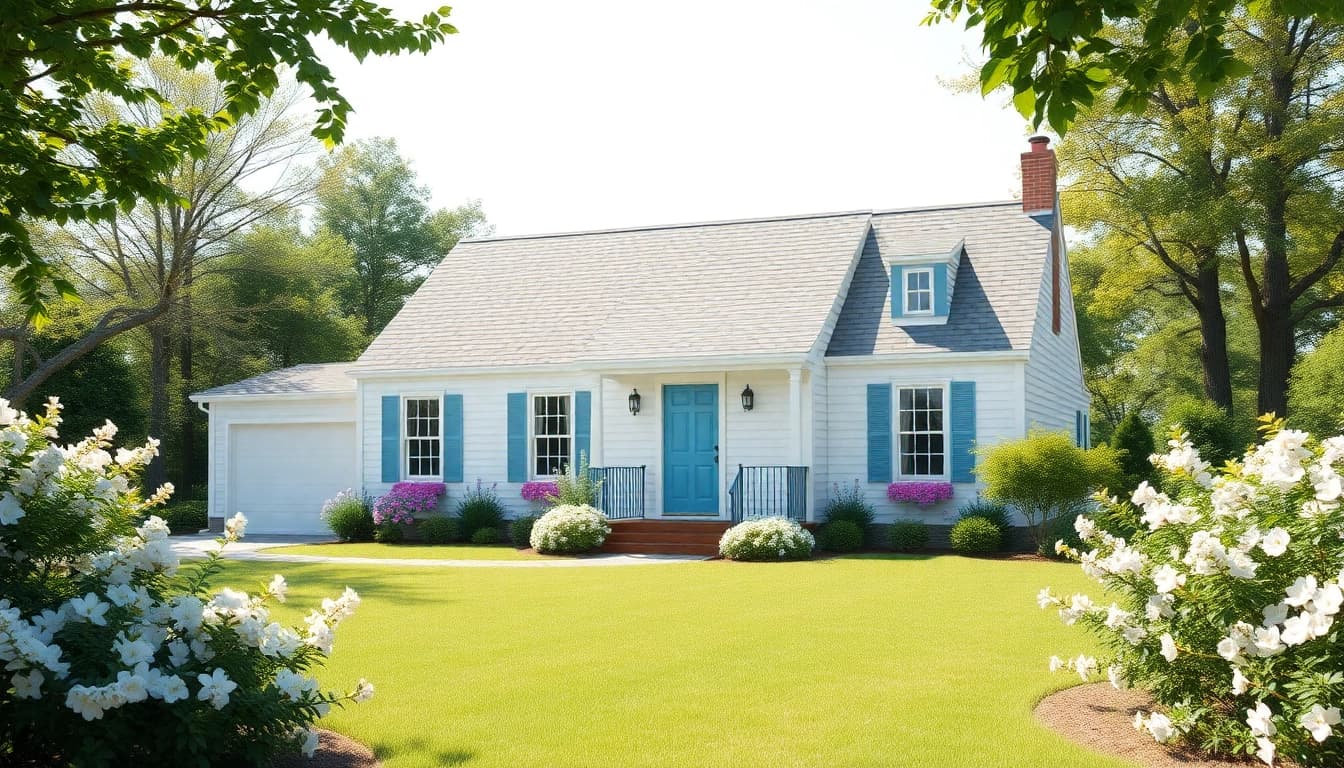
A typical Cape Cod home is defined by its symmetrical design and steep-sided roofs, often taking the form of a one-and-a-half-story structure that harmonizes with the surrounding landscape. The exteriors are generally clad in wood siding painted in soft, natural colors that blend seamlessly with coastal environments. Additional architectural features commonly found in these homes include:
- Dormer Windows: These windows, protruding from the roofline, allow for increased natural light and ventilation, enhancing the livability of the upper spaces.
- Chimneys: Centered or off-centered chimneys are a staple, reflecting the importance of fireplaces in the original designs for heating purposes.
- Built-in Benches and Shelves: Often included in the layout, these elements maximize space efficiency and suggest a thoughtful approach to utility.
- Front Porches: Many modern adaptations of the Cape Cod style incorporate welcoming front porches, encouraging outdoor living and social interaction.
Benefits of Cape Cod Homes
The allure of Cape Cod homes lies not only in their style but also in their functional benefits. Some of the key advantages include:
- Energy Efficiency: The design's simplicity and insulation properties help maintain comfortable indoor temperatures, making these homes economically viable.
- Versatility: Cape Cod homes can easily be adapted to various modern living preferences, enabling expansions, remodels, and customizations.
- Low Maintenance: Their durable materials and straightforward architectural lines result in reduced upkeep, appealing to homeowners seeking convenience.
- Cultural Significance: Living in a Cape Cod home connects residents to a rich historical narrative, enhancing community pride and identity.
Strategies for Expanding Your Cape Cod Home
Design Considerations for Expansion
As household needs evolve, many homeowners find themselves contemplating the expansion of their cape cod home. Approaching this task requires thoughtful consideration of design elements to ensure seamless integration with the existing structure. Key considerations include:
- Proportion and Scale: Any expansion should complement the original design, maintaining proportions that echo the traditional elements of the house.
- Architectural Cohesion: New additions should replicate architectural details, such as trim, siding, and rooflines, to avoid jarring differences.
- Functional Needs: Clearly outline your spatial needs before design starts, prioritizing areas like additional bedrooms, workspaces, or entertainment areas.
- Nurturing Nature: Expansions should consider outdoor spaces and natural light to enhance overall livability and environmental harmony.
Incorporating an Attached Garage
Additions like an attached garage represent an increasingly popular choice for Cape Cod homeowners. Not only does a garage provide necessary vehicle storage, but it also contributes valuable additional space for hobbies or storage. When designing an attached garage, consider the following factors:
- Access Points: Design pathways that provide easy access from the garage to the main house to facilitate everyday use.
- Roof Compatibility: Ensure the garage roofs complement those of the existing home to maintain a cohesive aesthetic.
- Storage Solutions: Integrate functional storage solutions within the garage to enhance utility, maximizing this new space's potential.
- Landscaping Integration: Employ landscaping features to soften the transition from street to garage while preserving the curb appeal of the cape cod home.
Working with Local Regulations and Permits
Before embarking on an expansion project, it's essential to familiarize yourself with local zoning laws and regulations that govern modifications in your area. Begin by consulting your local planning board to understand:
- Building Codes: Compliance with safety standards and construction practices will ensure a successful expansion.
- Zoning Laws: Be aware of restrictions that may limit the size or type of structures you can build on your property.
- Permit Requirements: Identify necessary permits and ensure timely submission to avoid permitting delays or fines.
- Historical Preservation Codes: If your home has historical significance, it may fall under specific guidelines that dictate renovations or additions.
Materials and Techniques for Cape Cod Home Construction
Choosing the Right Materials
When constructing or expanding a cape cod home, the choice of materials plays a crucial role in achieving not only aesthetic appeal but also durability and functionality. Here are some commonly used materials:
- Wood Siding: Traditionally, clapboard siding is favored, but modern options such as fiber-cement siding enhance resilience against the elements.
- Shingles: Cedar shingles are popular for their classic aesthetic and natural resistance to moisture.
- Stone and Brick Accents: Incorporating these materials provides texture and contrast, particularly for foundations or walkways.
- Energy-Efficient Windows: Selecting high-efficiency windows will enhance insulation, thereby reducing energy costs.
Modern Techniques for Sustainability
With an increasing focus on ecological responsibility, many homeowners seek sustainable building practices in the construction of their Cape Cod homes. Some modern techniques worth considering include:
- Passive Solar Design: Optimize window placements and overhangs to harness natural light and heat, reducing reliance on artificial heating.
- Sustainable Materials: Utilize recycled, reclaimed, or locally sourced materials to minimize the carbon footprint of construction.
- Green Roofs and Gardens: Installing living roofs or native gardens can enhance biodiversity while providing insulation and managing water runoff.
- Rainwater Harvesting Systems: Implementing systems to collect and reuse rainwater for landscaping can conserve resources and reduce utility costs.
Working with Skilled Craftsmen
To achieve the highest standards in quality and craftsmanship, it is imperative to partner with skilled artisans who have experience with Cape Cod styles. Consider the following when choosing professionals:
- Specialized Expertise: Look for contractors who specialize in Cape Cod designs to ensure a thorough understanding of the unique requirements.
- Reputation and References: Request references and review previous projects to gauge the workmanship and reliability.
- Communication Skills: Effective communication is key to a successful project, so choose craftsmen who can articulate ideas and address concerns.
- Licensing and Insurance: Ensure that all craftsmen are appropriately licensed and insured to protect your investment.
Enhancing Curb Appeal on Your Cape Cod Home
Designing an Inviting Front Yard
The front yard of your cape cod home serves as the first impression for visitors and passersby alike. A well-designed front yard can elevate the home's overall appeal. Strategies for enhancing this area include:
- Pathway Design: Create inviting walkways using natural stone or pavers to lead guests to your front door.
- Symmetrical Plantings: Utilizing symmetrical landscaping techniques around the entryway instills a sense of balance and harmony.
- Seasonal Flowers: Incorporating flowers that bloom in varying seasons keeps the yard vibrant and welcoming year-round.
- Outdoor Lighting: Strategically placed lighting enhances safety and allows the unique features of your yard to shine in the evening.
Color Schemes and Exterior Upgrades
Updating the color palette and exterior finishes can dramatically refresh your Cape Cod home’s appearance. Key considerations include:
- Classic Color Choices: Many homeowners opt for neutral palettes, such as soft blues, grays, or creams, to reflect the coastal climate.
- Contrasting Trim: Consider using a dark shade for trim and accents to create visual interest and highlight architectural features.
- Updating Fixtures: Modernizing door handles, lighting fixtures, and house numbers can make a significant difference in curb appeal.
- Shutter Installation: Adding shutters in contrasting colors enhances the windows and adds depth to the facade.
Landscaping Ideas to Complement Design
Complementing your Cape Cod home's design with appropriate landscaping not only beautifies the property but also increases its market value. Strategies to consider include:
- Native Plants: Select native plants that require less maintenance and are well-suited to the New England climate.
- Hardscaping Features: Incorporate stone walls, patios, or decorative fences that align with the home’s style to create rich textures.
- Outdoor Living Spaces: Design outdoor areas that promote social interaction and relaxation, such as patios or decks.
- Herb and Vegetable Gardens: Using edible landscaping can enhance the functionality and aesthetics of your outdoor space.
Frequently Asked Questions about Cape Cod Homes
What are the characteristics of a cape cod home?
Typical characteristics include steep roofs, dormer windows, symmetrical facades, and wood siding, crafted to withstand coastal weather while maintaining charm.
How can I expand my cape cod home efficiently?
Efficient expansion involves assessing your needs, maintaining architectural cohesion, and complying with local regulations while focusing on functional design.
What materials are best for cape cod home construction?
Preferred materials include wood siding, shingles, and energy-efficient windows. Opt for durable, sustainable materials to enhance longevity and aesthetics.
How do I enhance the value of my cape cod home?
Enhance value by improving curb appeal through landscaping, updating fixtures, and ensuring quality renovations that maintain the home's historic charm.
What landscaping features suit a cape cod home?
Suitable features include native plants, symmetrical plantings, decorative stone pathways, and outdoor living spaces that reflect the coastal New England style.