Understanding Enclosed Auto Transport
What is Enclosed Auto Transport?
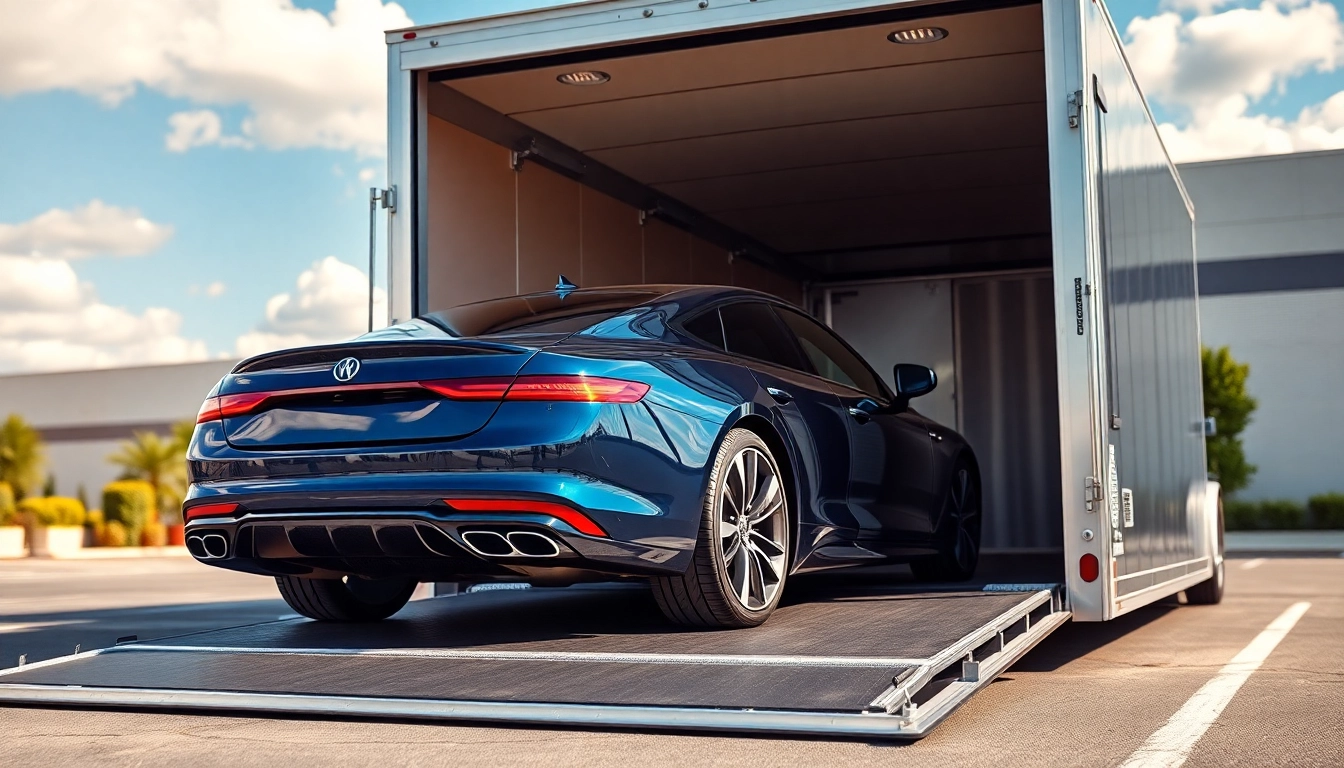
Enclosed auto transport refers to the method of transporting vehicles within a fully enclosed trailer. This mode of transportation offers an added layer of protection compared to open transport methods, safeguarding vehicles from external elements such as weather, road debris, and potential damage during transit.
Often utilized for luxury, classic, or vintage cars, enclosed auto transport ensures the safety and integrity of vehicles throughout their journey, making it a preferred choice for those who value their vehicles highly.
Benefits of Enclosed Auto Transport
The primary advantage of utilizing enclosed auto transport is the security it provides. Vehicles are fully protected from rain, snow, wind, and the risk of scratches or dents from road debris or other vehicles. Additionally, enclosed transport often comes with additional features, including air-ride suspension for smooth transit and lift gates for easy loading and unloading.
Another significant benefit is the increased insurance coverage generally associated with enclosed transport. Many companies offer policies that cover a broader range of damages, ensuring that your vehicle is well-protected. With the peace of mind that comes from knowing your vehicle is safe and secure, vehicle owners can focus on enjoying their transport experience.
How Enclosed Auto Transport Works
Enclosed auto transport operates through a systematic process designed to ensure the safe relocation of vehicles. Initially, a transport company assesses the vehicle's specifications and the distance it needs to travel. Once a shipping date is established, the vehicle is prepared for transit. This preparation may involve cleaning, documenting pre-existing conditions, and sometimes additional protective measures such as covers for sensitive parts.
On the scheduled day, the vehicle is loaded into the trailer, typically using specialized ramps and equipment to minimize wear and tear. The trailer is then sealed to prevent any external elements from entering. Throughout the journey, transport drivers monitor the vehicle's condition to ensure safe arrival at the destination, where the vehicle is unloaded with equal care.
Factors to Consider When Selecting Enclosed Auto Transport
Types of Vehicles Suitable for Enclosed Auto Transport
While many vehicles can utilize enclosed auto transport, certain types benefit more from this method. Luxury and high-value vehicles, such as sports cars and classic models, are prime candidates. These vehicles often have substantial financial value, making the added protection paramount during transit. Additionally, custom cars or those with delicate designs that may be prone to damage from the elements also greatly benefit from enclosed transport.
Furthermore, vehicles that are rare or difficult to replace, such as vintage or limited production models, should always consider enclosed auto transport to avoid any potential damage that could significantly reduce their value.
Cost Considerations for Enclosed Auto Transport
Understanding the costs associated with enclosed auto transport is crucial for any vehicle owner. The total pricing is typically influenced by several factors, including distance, vehicle size, and the date of transport. Enclosed transport is generally more expensive than open transport due to the specialized equipment and increased security measures involved.
On average, vehicle owners can expect to pay anywhere from 30% to 50% more for enclosed transport services compared to their open counterparts. It is essential to assess the value of the vehicle against the potential cost of transporting it to determine if the investment in enclosed auto transport is justified.
Seasonality and Timing for Enclosed Auto Transport Services
The transport industry experiences seasonal fluctuations that can impact availability and pricing. During peak seasons, such as summer months, demand for auto transport services increases, which may result in higher rates and limited availability. If you are considering enclosed auto transport, planning ahead can provide options that may save costs and ensure your vehicle is secured on time.
Additionally, consider the weather conditions during your scheduled transport. Choosing times with favorable weather can further enhance the safety of your vehicle during transit.
Common Challenges in Enclosed Auto Transport
Potential Risks & How to Mitigate Them
While enclosed auto transport provides many benefits, certain challenges can still arise. One common risk is potential delays due to weather or mechanical issues. To mitigate these risks, it's essential to schedule transportation during the optimal season and to book with reputable companies that have a proven track record of reliability.
Another concern involves the potential for vehicle damage, even within an enclosed trailer. Ensuring that the transport company has a robust insurance plan and checking for any additional liability coverage can provide additional layers of protection and peace of mind.
Reliability of Enclosed Auto Transport Providers
Choosing a reliable transport provider is crucial for a smooth transport experience. Researching various companies can help you assess their reputation in the market. Look for feedback from previous customers and confirm that the provider has adequate certifications and licenses to operate in the auto transport industry.
In addition, checking for appropriate compliance with state and federal regulations can ensure that you choose a trustworthy company that prioritizes safety and professionalism.
Insurance Options and Coverage for Enclosed Auto Transport
Insurance for enclosed auto transport can vary between providers. It is critical to understand the type of coverage offered and what is included in their insurance policies. Many reputable transport companies provide cargo insurance that covers damage, theft, or loss during transit.
Vehicle owners should assess whether this coverage is sufficient or if they require additional coverage through their own insurance. Consulting with providers to clarify what is included and identifying any gaps in coverage is advisable to ensure adequate protection for your vehicle.
Best Practices for Using Enclosed Auto Transport
Preparing Your Vehicle for Enclosed Auto Transport
Preparing your vehicle for transport is essential in ensuring its safe arrival. Start by cleaning the vehicle inside and out, which allows for easy identification of any existing marks or damages prior to transport. Documenting your vehicle's condition with photographs can serve as a reference point if needed later.
Next, remove any personal items from the vehicle, as these generally are not covered under insurance during transport. Ensure that your vehicle is in good working condition, checking everything from tire pressure to battery functionality. If needed, schedule a technician to address any mechanical issues prior to transport to avoid complications during the loading process.
What to Expect During Enclosed Auto Transport
Understanding the process during enclosed auto transport can alleviate any anxiety that may accompany vehicle shipping. Once you’ve placed your order, the company will provide you with details about the date of pick-up and delivery timelines.
On transport day, the driver will arrive to securely load your vehicle onto the trailer. Expect additional time to conduct a pre-transport inspection together with the driver to confirm the condition of your vehicle. During transit, you can often track the shipment, allowing you to monitor progress and receive updates about any delays or changes in delivery.
Post-Transport Vehicle Inspections
Once your vehicle arrives at the destination, performing a thorough inspection before accepting the vehicle is crucial. Review the condition of the vehicle against the photos taken during the initial inspection. This verification process can help identify any potential damages that may have occurred during transport.
If you find any discrepancies or damages, document them thoroughly and communicate with the transport company immediately to resolve any issues. Having clear documentation of the vehicle’s condition before and after transport significantly aids in claiming any damages if necessary.
Finding the Right Enclosed Auto Transport Provider
Researching Credible Enclosed Auto Transport Companies
Finding the right company for enclosed auto transport requires careful investigation. Start by compiling a list of potential providers and scrutinizing their websites for information on services, pricing, and testimonials. Look for those that specialize in the type of auto transport you need, particularly if you have a luxury or classic vehicle that requires special care.
Additionally, verifying industry affiliations or certifications can help ensure that you select a credible provider dedicated to professional service standards. Online resources, forums, and automotive associations can also provide insights and recommendations from other vehicle owners.
Reading Reviews and Testimonials
Reading experiences from previous customers is essential when selecting an enclosed auto transport provider. Look for reviews on independent platforms where you can assess the overall satisfaction of past clients, particularly regarding the security of their vehicles, the quality of service provided, and the company’s responsiveness to concerns or issues.
However, take note of outlier reviews. It’s helpful to look at patterns and consider both the positive and negative feedback to get the entire picture of the company's operational practices.
Asking the Right Questions Before Booking Enclosed Auto Transport
Before finalizing your decision on an enclosed auto transport service provider, asking the right questions can greatly influence your overall experience. Confirm the types of vehicles they specialize in transporting and ask about their track record with similar vehicles. Inquire about their insurance policies, what is covered, and what procedures they follow if additional damages occur.
Understanding their pricing structure, including any hidden fees, provides financial clarity. Finally, request detailed timelines for the transport process, from pick-up to delivery, so you can plan accordingly. Open and direct communication will help set the foundation for a positive transport experience.