1. Understanding Fire Blankets
1.1 What is a Fire Blanket?
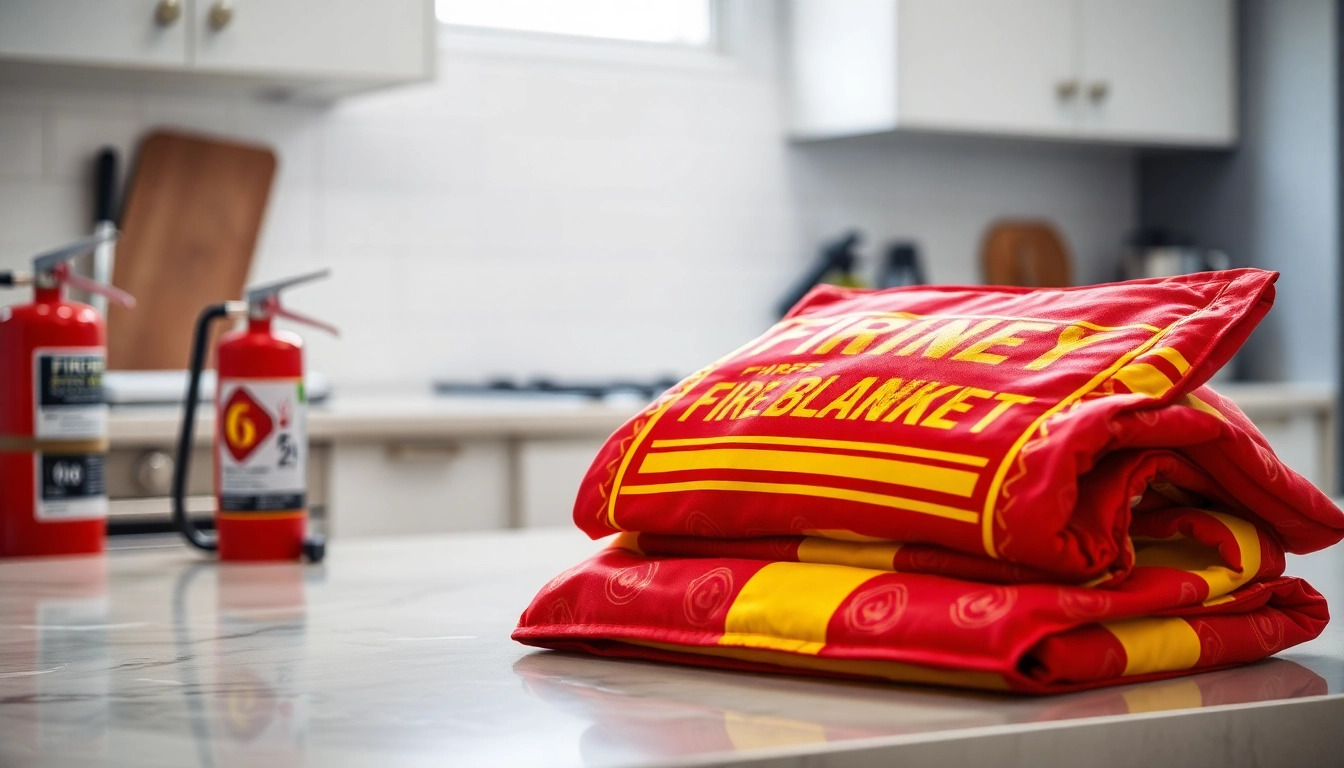
A fire blanket is a crucial safety device designed to extinguish small fires by smothering flames. Typically made from flame-retardant materials like fiberglass or other specialized textiles, fire blankets can efficiently extinguish flames without the need for water or chemical firefighting agents. They are primarily utilized in kitchens, industrial settings, and laboratories, but their importance often extends to residential homes, particularly in areas prone to fire hazards.
1.2 Types of Fire Blankets and Their Uses
There are various types of fire blankets tailored to different applications. The most common types include:
- Kitchens: These fire blankets are specifically designed to handle grease and oil fires. They often come with heat-resistant features and can withstand high temperatures.
- Wool Fire Blankets: Made from treated wool, these blankets are non-toxic and can smother flames effectively. They are suitable for a variety of environments, including homes and camping.
- Fiberglass Fire Blankets: This type is highly durable, resistant to chemicals, and ideal for industrial settings. They can handle high heat and are often used to cover machinery and equipment.
- Emergency Fire Blankets: Compact and lightweight, these are designed for portability and quick deployment in emergencies. They are often included in emergency kits for homes and vehicles.
1.3 How Fire Blankets Work
The effectiveness of fire blankets lies in their ability to cut off the oxygen supply to the flames. When draped over a fire, the blanket prevents oxygen from reaching the flames while also absorbing heat. Most fire blankets can extinguish small fires within moments, making them essential for quick responses in emergencies. Additionally, they are often designed with a pull tab for easy access and deployment, even in stressful situations.
2. Selecting a Quality Fire Blanket
2.1 Key Features to Look For
Choosing the right fire blanket is critical for ensuring safety. When selecting a fire blanket, consider the following key features:
- Material: Ensure the fire blanket is made from high-quality, flame-retardant materials such as fiberglass or treated wool.
- Size: The blanket should be large enough to effectively cover the flames. A common size is 1.2m x 1.2m or larger for more significant fires.
- Packaging: Fire blankets should come in a pouch that allows for quick deployment, often equipped with a clear label and easy-to-pull tabs.
- Certification: Look for fire blankets that meet recognized safety standards, such as EN 1869:1997, which ensures they have been tested for effectiveness and safety.
2.2 Common Mistakes in Choosing Fire Blankets
When purchasing a fire blanket, avoid these common pitfalls:
- Ignoring Size: A small blanket won’t suffice for larger fires. Always choose a blanket that is appropriate for the potential fire risks in your environment.
- Overlooking Certification: Failing to check for safety certifications can lead to using substandard products that may not perform in emergencies.
- Selecting Inappropriate Material: Some materials may not be suited for specific fire types. For instance, synthetic options may not withstand high temperatures as well as fiberglass.
2.3 Recommended Brands and Products
Hello Fire, Protex, and Fire Shield are some of the top brands known for high-quality fire blankets. They feature a range of products that cater to different settings—from domestic kitchens to industrial workspaces. Always check user reviews and product testing results to ensure reliability and effectiveness.
3. Proper Usage and Storage
3.1 Step-by-Step Guide to Using a Fire Blanket
Using a fire blanket effectively involves a systematic approach. Here’s a step-by-step guide:
- Pull: Take the blanket out of its storage bag quickly and without hesitation.
- Shield: Hold the blanket in front of you with your hands protected, using the corners of the blanket for grip.
- Cover: Approach the fire from the side (never from above), and gently place the blanket over the flames, ensuring it fully covers them.
- Smother: Hold the blanket in place for several seconds to fully extinguish the fire.
- Check: Monitor the area for any rekindling of flames and do not remove the blanket until you are sure the fire is completely out.
3.2 Best Practices for Fire Blanket Storage
Proper storage of fire blankets is vital for ensuring they can be accessed quickly in an emergency. Follow these best practices:
- Accessible Location: Store the blanket in areas that are easily reachable, such as near fire-prone areas or in kitchens.
- Visible Display: Keep the blanket’s storage bag visible and marked with clear signage, so it can be found quickly by anyone in an emergency.
- Avoid Crowded Spaces: Ensure the storage area is free of clutter, which could obstruct quick access to the fire blanket.
3.3 When Not to Use a Fire Blanket
While fire blankets can be lifesavers, there are situations when they should not be used. These include:
- Large Fires: If the fire is beyond a small, manageable size, evacuate immediately and call emergency services.
- Electrical Fires: Never use a fire blanket on electrical fires unless it is specifically rated for those types of fires. Instead, switch off the source of electricity, if safe to do so, and call for help.
- Flammable Gas Fires: If the fire source involves flammable gas, do not approach it with a fire blanket; leave the area and alert authorities.
4. Maintaining Your Fire Blanket
4.1 Cleaning and Caring for Fire Blankets
Regular maintenance of fire blankets is essential to ensure their longevity and effectiveness. Here are some tips for cleaning and caring for them:
- Avoid Washing: Most fire blankets should not be washed in traditional ways. Instead, wipe them down with a damp cloth to remove dust and debris.
- Inspect Periodically: Check your fire blanket regularly for any signs of damage, such as tears or signs of wear, to ensure it remains effective.
- Follow Manufacturer Guidelines: Always adhere to the manufacturer's instructions regarding cleaning and storage to avoid voiding the warranty.
4.2 Signs You Need to Replace Your Fire Blanket
It’s crucial to know when to replace a fire blanket. Look out for these signs:
- Visible damage such as holes, tears, or burns.
- Discoloration that indicates degradation of materials.
- Lack of compliance with updated safety standards or regulations.
4.3 Safety Regulations and Standards
Familiarizing yourself with fire safety regulations is essential for compliance and safety. Common regulations include:
- EN 1869:1997: This European standard outlines the specifications for materials and design of fire blankets.
- ASTM Standards: In the U.S., several ASTM standards apply to fire blankets, including performance specifications.
- Local Regulations: Always check local regulations regarding fire safety equipment requirements, as they may vary significantly.
5. Fire Safety Awareness
5.1 Importance of Fire Blankets in Home Safety
Fire blankets are a crucial component of home safety, particularly in areas susceptible to fires such as kitchens. They provide an immediate first response tool to small fire incidents, minimizing damage and potential injury. In homes with children or elderly individuals, having a fire blanket accessible can enhance safety measures and give peace of mind.
5.2 Educating Your Family on Fire Safety
Education plays a critical role in fire safety. Activities to engage your family include:
- Conducting fire drills that incorporate the use of fire blankets.
- Teaching family members the importance of emergency numbers and evacuation plans.
- Encouraging discussions regarding fire hazards in the home and how to mitigate them.
5.3 Emergency Preparedness Plans Including Fire Blankets
Having a comprehensive emergency preparedness plan can significantly improve response time during a fire incident. This plan should include:
- Identifying fire hazards in the home and regularly assessing risks.
- Establishing designated meeting points outside the home for family members during an emergency.
- Integrating fire blankets into emergency kits alongside other essential tools and supplies.