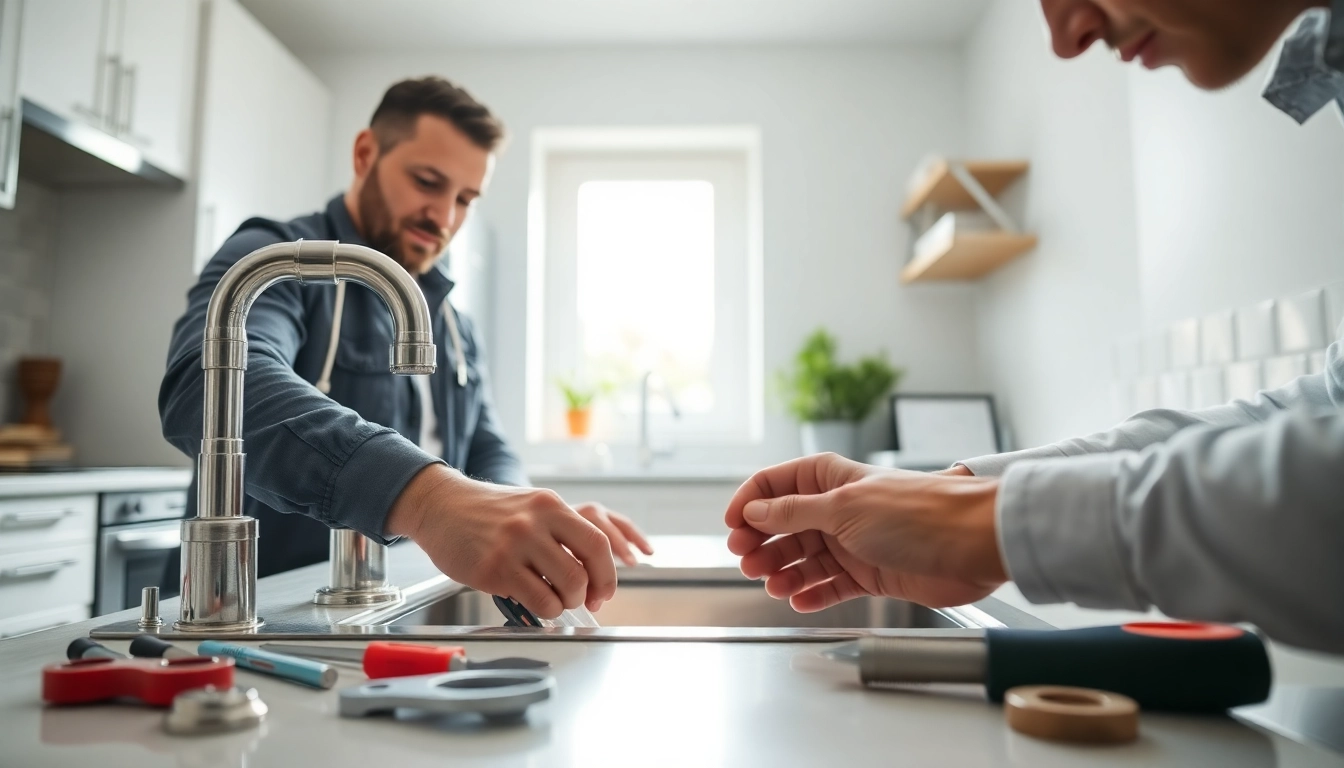
Understanding Plumbing Basics
Plumbing is an essential system in any structure, integral to both comfort and hygiene. It encompasses the installation and maintenance of systems designed to convey fluids, including water supply and waste management. Familiarizing yourself with plumbing basics not only helps homeowners appreciate their systems but empowers them to handle minor issues effectively.
What is Plumbing?
Plumbing refers to a complex network of pipes, fixtures, valves, and tanks that facilitate the movement of water, gas, and waste in residential, commercial, and industrial properties. It is divided into several subsystems: the water supply system, which brings clean water into buildings, and the drainage system, responsible for removing wastewater.
Importance of Plumbing Systems
Plumbing systems play a critical role in safety, health, and comfort. Proper plumbing ensures accessible drinking water and sanitation, preventing the spread of disease. Additionally, effective plumbing contributes to the overall efficiency of household operations, helping mitigate unnecessary costs related to water loss and repairs.
Key Components of Plumbing
The primary components of plumbing include:
- Pipes: Carry water and waste throughout the building.
- Fixtures: Such as sinks, toilets, and faucets that allow for water use.
- Valves: Regulate water flow within the system.
- Water heaters: Provide hot water for domestic use.
Types of Plumbing Systems
Residential Plumbing Systems
Residential plumbing systems are tailored for single-family homes and apartments. These systems typically include potable water supply piping, drainage systems, and sewage disposal, ensuring the safe and efficient transport of water and waste.
Commercial Plumbing Systems
Commercial plumbing systems cater to businesses and larger establishments, such as schools and hospitals, which often require higher volumes of water and greater pressure. These systems may incorporate more complex layouts and additional regulatory considerations.
Specialized Plumbing Systems
Specialized plumbing systems include those used in industrial settings, laboratories, and other unique environments where specific materials and designs are required to manage specific fluids or incorporate safety features. Examples include medical gas systems and chemical waste systems.
Common Plumbing Issues
Leaks and Drips
Leaks can occur anywhere from pipes to fixtures, frequently resulting in water damage and increased bills. Common causes of leaks include faulty seals and corrosion. Regular inspection and prompt repair of leaks are essential to preserve your plumbing system's integrity.
Clogged Drains
Clogged drains are a prevalent issue, usually caused by the accumulation of debris, grease, or foreign objects. Simple methods for resolving clogged drains include using a plunger or a drain snake to remove blockages. In severe cases, professional assistance may be required to clear deep obstructions.
Noisy Pipes
Noisy pipes may indicate various issues, including water hammer, which occurs when water flowing through pipes suddenly stops. This can cause vibrations and loud banging noises. Adjusting water pressure or installing water hammer arrestors can mitigate these sounds.
Essential Plumbing Tools and Equipment
Basic Hand Tools for Plumbing
Typically, you’ll need a few essential hand tools for plumbing tasks, including:
- Wrenches: For tight connections.
- Plungers: Essential for clearing minor clogs.
- Screwdrivers: For working with fixtures.
- Pipe Cutters: For making precise cuts in piping.
Specialized Plumbing Equipment
In addition to basic hand tools, specialized equipment may be required for certain tasks, such as:
- Drain snakes: For clearing stubborn clogs.
- Pressure gauges: For monitoring water pressure.
- Inspection cameras: For locating deep plumbing issues without invasive digging.
Maintenance Supplies
Regular plumbing maintenance is crucial for longevity and efficiency. Stock up on supplies such as:
- Sealants: To fix leaks.
- Pipe insulation: To prevent freezing.
- Clogs remover: For maintaining clogged drains.
Best Practices for Plumbing Maintenance
Regular Inspections
Conducting regular plumbing inspections helps you identify and resolve minor issues before they escalate. It's advisable to examine pipes, fixtures, and appliances at least once a year.
Preventative Measures
Implementing preventative measures can significantly reduce plumbing problems. This includes:
- Regularly cleaning out drains to prevent clogs.
- Insulating pipes in colder climates to prevent freezing.
- Monitoring water pressure regularly to avoid damage.
When to Call a Professional
While some plumbing issues can be managed independently, certain situations warrant professional intervention. If you encounter persistent leaks, significant clogs, or low water pressure, it’s advisable to consult a licensed plumber to avoid further complications.
Frequently Asked Questions
What are the different plumbing systems?
There are three main types: potable water systems for drinking, sewage systems for waste, and drainage systems for stormwater and greywater management.
How often should I inspect my plumbing?
It is recommended to perform a comprehensive plumbing inspection annually to identify potential leaks and maintenance needs early.
What common signs indicate plumbing problems?
Signs include slow draining sinks, discolored water, unexplained moisture spots, and an increase in water bills without additional usage.
How can I prevent clogged drains?
To prevent clogs, avoid pouring grease down the drain, use drain covers to catch debris, and flush drains regularly with hot water or vinegar.
When should I replace my plumbing fixtures?
Consider replacing fixtures that show signs of corrosion, persistent leaks, inefficiency, or that are over ten years old to improve function and efficiency.