Understanding Smog Checks
What is a Smog Check?
A smog check, also known as emissions testing or inspection, is a regulatory process designed to measure the amount of pollutants emitted from a vehicle's exhaust system. This test is primarily aimed at ensuring that vehicles comply with local air quality standards, thus contributing to the reduction of air pollution. When an automobile is subject to a smog check, various parameters, including exhaust emissions and onboard diagnostic systems, are evaluated. The results help determine whether the vehicle meets the required environmental standards.
Why Are Smog Checks Necessary?
Smog checks are crucial for several reasons. Firstly, they help maintain air quality by limiting harmful pollutants released into the atmosphere. Vehicle emissions are a significant source of air contamination, leading to smog formation, which poses health risks to the population. Furthermore, smog checks foster accountability among vehicle owners, encouraging them to maintain their vehicles properly. In many states, passing a smog check is a legal requirement for vehicle registration and operation.
Common Misconceptions About Smog Checks
Misunderstandings surrounding smog checks can lead to confusion among vehicle owners. One common myth is that new cars never fail smog tests; in reality, even new vehicles can fail if they have faulty components affecting emission systems. Another misconception is that smog checks are simply a money-making scheme. However, these inspections are vital for public health and environmental protection. Lastly, many people believe that a vehicle can pass with "check engine" lights on; this is often not the case, as warning signals typically indicate an issue that must be resolved before inspection.
Smog Check Requirements by State
General State Regulations
Smog check regulations vary widely across the United States. In general, states with higher pollution levels and larger populations tend to have more stringent smog checks. For instance, California has rigorous regulations due to its unique geography and air quality challenges. Generally, vehicles are tested biennially, often prior to registration renewal; however, specific requirements can differ, including which vehicles need inspection based on age, weight, or engine type.
State-Specific Smog Check Differences
States have their own rules regarding emissions testing, leading to notable differences. For example, California mandates random inspections for certain vehicle types, while states like Colorado may focus inspections on areas within the state that experience higher levels of air pollution. Additionally, some states offer remote sensing technology as an alternative to traditional inspections, continuously monitoring vehicles as they drive through designated zones.
Preparing Your Vehicle for a Smog Check
Preparation can impact the outcome of your smog check significantly. To enhance the likelihood of passing, vehicle owners should perform basic maintenance checks, such as inspecting the engine for warning lights, ensuring regular oil changes, and possibly running the vehicle for a while beforehand to reach optimal operating temperature. Addressing any known mechanical issues and ensuring proper tire pressure can also help the vehicle perform better during testing.
How to Choose a Smog Check Station
Factors to Consider When Selecting a Station
Choosing the right smog check station involves considering a few factors. Location and convenience are paramount—look for stations near your home or workplace. Furthermore, it’s essential to check the certification of the station, as certified facilities must adhere to state regulations. Evaluating the station’s equipment and technology can also make a difference; modern equipment may provide more accurate results. Pricing is another critical factor; while costs for smog checks can vary, aim to find a service that offers competitive pricing without cutting corners.
Questions to Ask Your Smog Check Technician
Having a conversation with your technician can provide clarity and confidence before proceeding. Ask about the specific processes they use during the inspection and whether included in the test result is any additional advice for vehicle maintenance. Furthermore, inquire about the turnaround time for results and the costs of any necessary repairs if your vehicle fails the inspection, as these details are crucial for planning and budgeting.
Online Reviews and Recommendations
One of the best ways to evaluate potential smog check stations is by examining online reviews. Platforms such as Yelp and Google Reviews can provide firsthand experiences from previous customers, giving insight into the reliability and quality of service at the station. Look for stations that consistently receive positive feedback regarding professionalism, customer service, and value for money; however, be wary of stations with a high number of complaints or low overall ratings.
What to Expect During a Smog Check
The Smog Check Process Explained
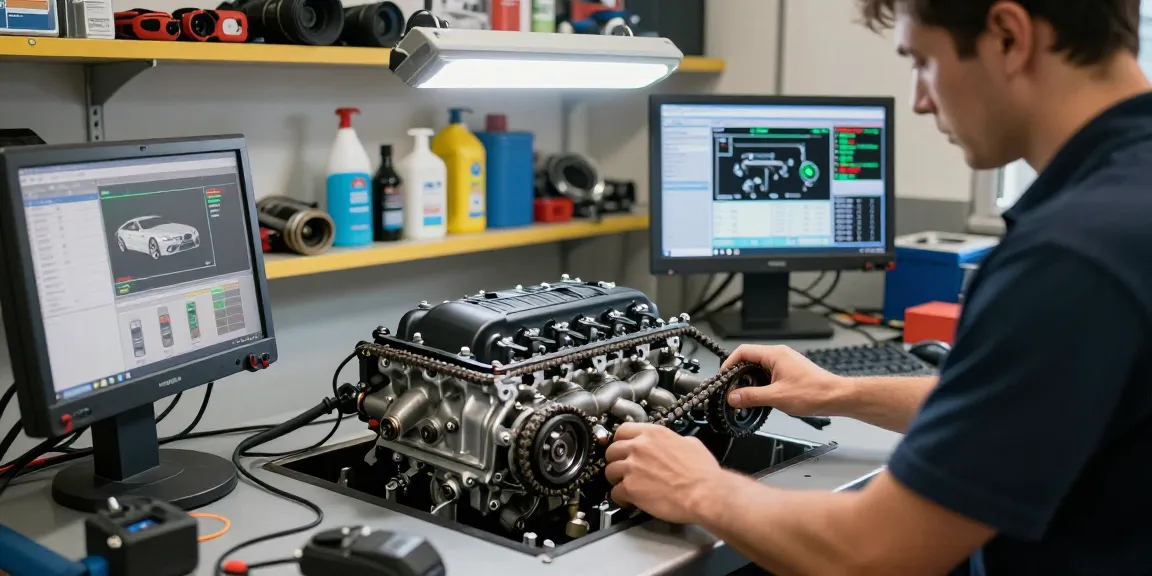
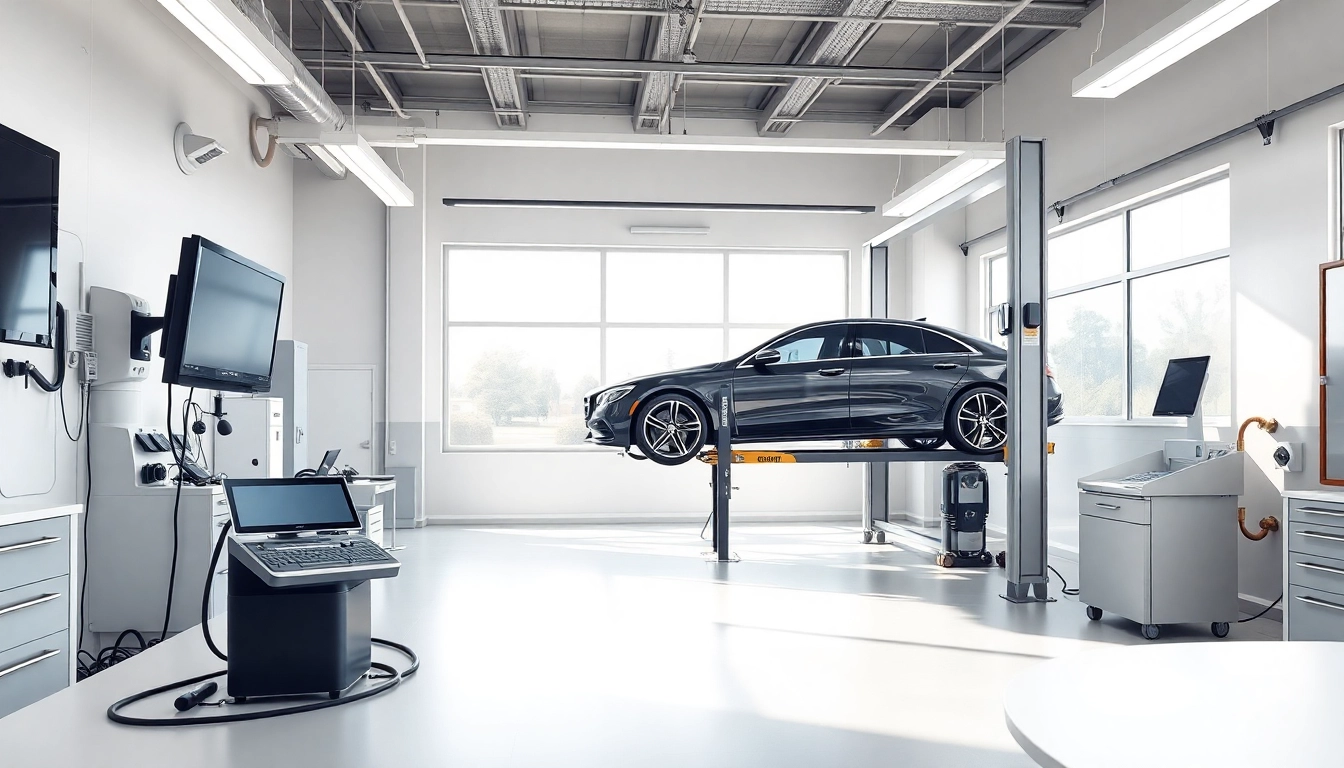
The smog check process typically begins with a preliminary examination of your vehicle. The technician will inspect your vehicle's exhaust system, fuel system, and other relevant components. Following this initial assessment, the vehicle will be hooked up to diagnostic equipment that measures emissions during a test drive or stationary idle test. The entire process usually takes less than an hour depending on the station and condition of the vehicle.
Common Issues Detected During Inspections
During a smog check, several common issues can lead to a failed inspection. Faulty oxygen sensors, malfunctioning catalytic converters, and fuel leaks frequently result in high emissions levels. Additionally, issues with the gas cap, such as cracks or improper sealing, can also cause a vehicle to fail. Regular maintenance checks and addressing potential issues ahead of time can significantly mitigate the chances of a failing smog check.
What Happens After the Smog Check
After completing the smog check, the results will be provided to the vehicle owner. If the vehicle passes, the inspection station will usually file the results electronically with the appropriate state agency, fulfilling any registration requirements. If the vehicle fails, the owner will receive a detailed report outlining the issues detected, along with recommendations for repairs necessary to meet emissions standards. Following repairs, the vehicle may need to be re-inspected, often at a reduced cost if completed within a specified timeframe.
FAQs about Smog Checks
Frequently Asked Questions
1. How often do I need a smog check? Most states require a smog check every two years, but this can vary based on the state and vehicle age.
2. What can cause my vehicle to fail a smog check? Common causes include faulty oxygen sensors, gas leaks, and issues with the catalytic converter.
3. Is there a cost associated with a smog check? Yes, costs vary by place and state but typically range from $15 to $50, depending on vehicle type and state regulations.
4. Can I drive my vehicle if it fails the smog check? Generally, yes, but check local regulations. Some jurisdictions may allow a grace period to perform necessary repairs.
5. How can I prepare my vehicle for a smog check? Ensure regular maintenance, check engine lights, and have basic repairs done to improve your vehicle's chance of passing.
For more information on smog checks and their importance in maintaining air quality, refer to resources at Smog Check.