Understanding Bed Bugs
What Are Bed Bugs?
Bed bugs are small, wingless insects from the family Cimicidae. Their scientific name, Cimex lectularius, derives from their primary habitat: human dwellings. These nocturnal pests feed on blood, usually during the night, and are most commonly found in areas where people sleep, such as beds, couches, and airports. Adult bed bugs are reddish-brown, approximately 4-5 mm long, and have a flat body shape that allows them to hide easily in cracks and crevices. Understanding their biology and behavior is crucial for effective bed bug removal.
Signs of Bed Bug Infestation
Identifying a bed bug infestation early can significantly enhance your chances of successful removal. Common signs include:
- Dark Spots: Small, dark fecal spots on bedding or furniture are a telltale sign.
- Skin Shedding: Bed bugs molt as they grow; finding exoskeletons can indicate an infestation.
- Blood Stains: Small bloodstains on sheets can occur when bed bugs are crushed after feeding.
- Live Bugs: Adult bed bugs are visible to the naked eye, especially at night.
- Eggs and Casings: Tiny white eggs and discarded casings can be found in hidden areas.
How Do Bed Bugs Spread?
Bed bugs hitchhike on clothes, luggage, and furniture. They can easily spread from one location to another, making them a common issue in hotels and multi-family homes. Their resilience and ability to survive for months without feeding contribute to their widespread presence. Proper awareness and proactive measures are essential to prevent and control infestations.
Preparation for Bed Bug Removal
Assessing the Infestation
Before initiating bed bug removal, conducting a thorough assessment is vital. Check all potential hiding spots, including under mattresses, behind headboards, in furniture seams, and along baseboards. A professional inspection can also help in determining the extent of the infestation. Keeping a detailed log of findings aids in addressing the issue systematically.
Preparing Your Home for Treatment
Once an infestation is confirmed, prepare your home for treatment by following these steps:
- Declutter: Remove excess items from the infested area to minimize hiding spots for bed bugs.
- Wash Linens: Wash bedding, curtains, and clothing in hot water to kill bed bugs and their eggs.
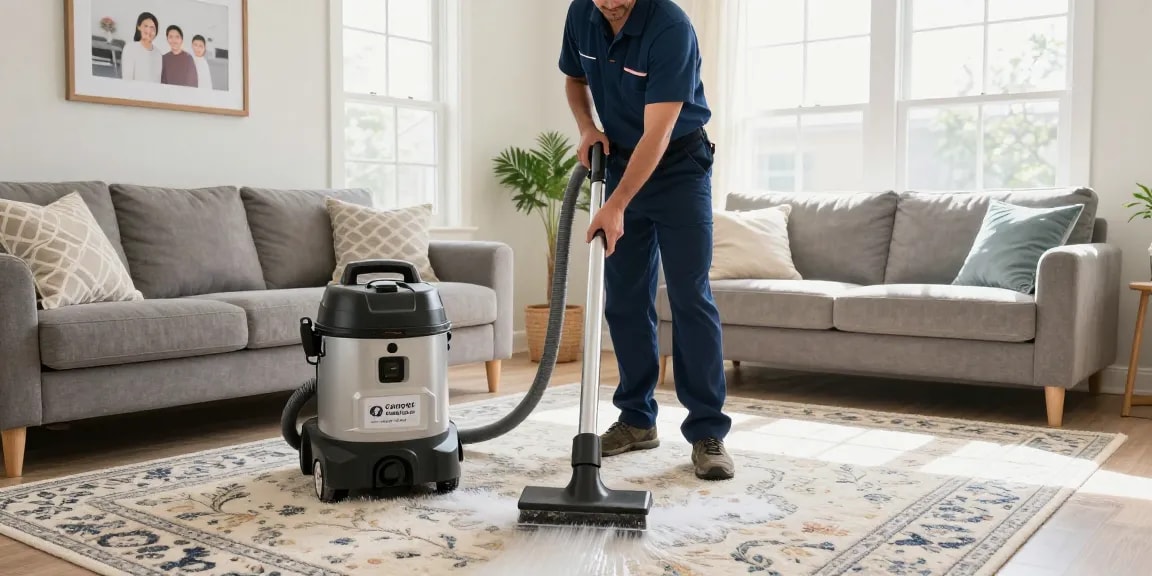
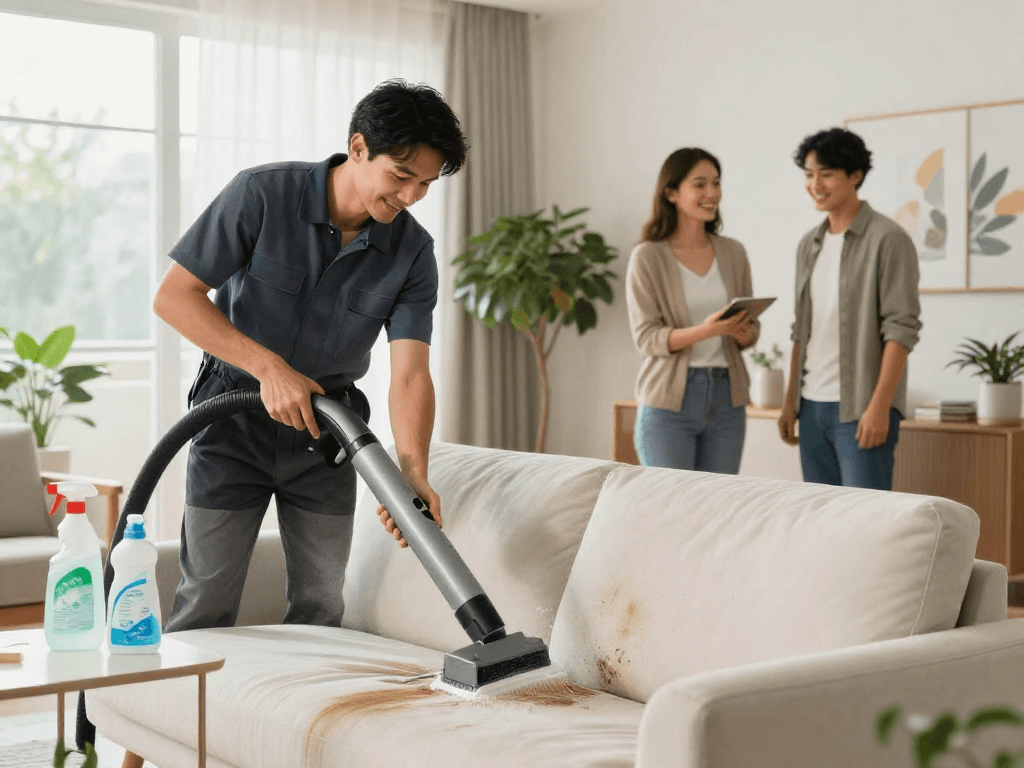
- Vacuum Thoroughly: Use a vacuum cleaner with a powerful suction to remove bugs and eggs from carpets and furniture.
- Encase Mattresses: Use bed bug-proof mattress and pillow encasements to trap any remaining bugs.
Important Safety Precautions
When preparing for treatment, prioritize safety by adhering to these precautions:
- Follow Instructions: Always follow the safety instructions of the pest control products or professionals.
- Keep Pets Away: Relocate pets during treatment to ensure their safety.
- Remove Food Items: Ensure food items are stored away from treatment areas to avoid contamination.
Methods of Bed Bug Removal
Professional Pest Control Services
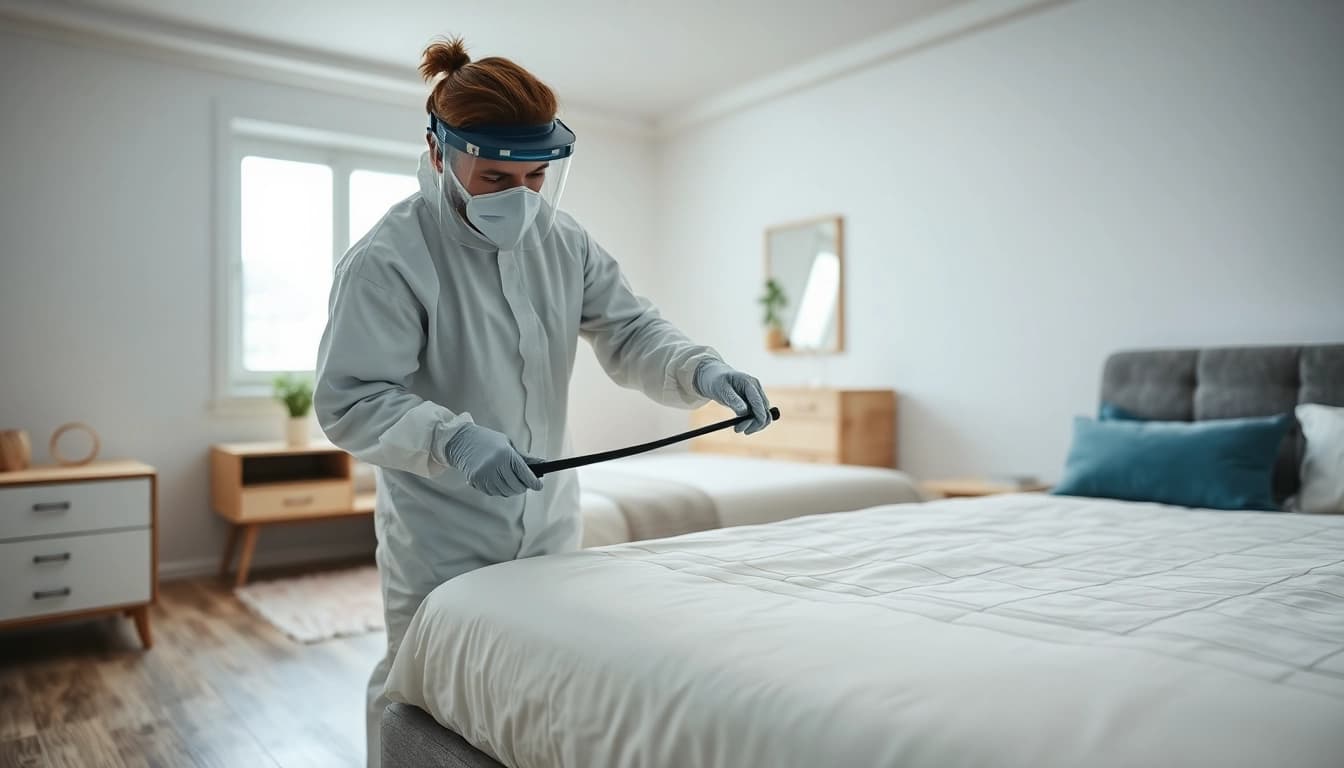
Engaging professional pest control services is often the most effective way to remove bed bugs. These experts have access to specialized equipment and insecticides that are more potent than consumer products. They usually employ integrated pest management (IPM) strategies, focusing on eliminating bed bugs using various combined methods:
- Heat Treatment: This method involves raising room temperatures to around 130°F (54°C) to exterminate bed bugs and eggs.
- Chemical Application: Licensed professionals can apply targeted insecticides that are effective and safe when used correctly.
- Steam Treatment: High-temperature steam can kill bed bugs on contact, making it an excellent option for appliances and fabrics.
Do-It-Yourself Bed Bug Removal Techniques
If you prefer a do-it-yourself approach, a combination of methods can yield positive results. Popular techniques include:
- Vacuuming: Regularly vacuuming areas where bed bugs are likely to hide can reduce populations.
- Using Diatomaceous Earth: Sprinkling food-grade diatomaceous earth in affected areas can help dehydrate and kill bed bugs.
It's important to note that while DIY treatments can be helpful for minor infestations, they might not be sufficient for larger or deeply entrenched populations.
Natural Removal Solutions
For those seeking natural alternatives, some options can be effective, although they may take longer. Consider the following:
- Essential Oils: Oils like tea tree, lavender, and peppermint have insecticidal properties and can deter bed bugs when applied properly.
- Heat Methods: If safe for the fabric, washing items in hot water or placing them in the dryer on high heat can kill bed bugs effectively.
Keep in mind that while these methods may work well in conjunction with other treatments, they are not typically standalone solutions.
Post-Removal Strategies
Preventing Future Infestations
Preventing future infestations requires diligence and proactive measures. Some effective strategies include:
- Regular Inspections: Routinely checking your home can help catch infestations before they escalate.
- Travel Precautions: When traveling, inspect hotel rooms for signs of bed bugs and keep luggage elevated.
- Seal Cracks and Crevices: Implementing caulking or sealing gaps in walls, floors, and baseboards minimizes potential hiding spaces for bed bugs.
Monitoring After Treatment
Post-treatment monitoring is crucial. Inspect your home regularly and use monitoring devices, such as bed bug traps, to detect any new activity. Document your observations and report any findings to your pest control provider for further guidance.
When to Call Professionals Again
If you notice signs of a potential reinfestation, such as new bites or spotting, it’s time to call in professionals. Ongoing vigilance is key to maintaining a bed bug-free home.
FAQs About Bed Bug Removal
How long does bed bug removal take?
Bed bug removal can take a few hours to several weeks depending on the infestation's extent and the methods employed.
Can I stay in my home during treatment?
It is often recommended to relocate during treatment, especially if chemical pesticides are used. Follow your pest control provider's specific guidance.
What damages can bed bugs cause?
Bed bugs can cause allergic reactions, skin irritations, and significant psychological distress, leading to anxiety for affected individuals.
Are homemade remedies effective?
Some homemade remedies may provide temporary relief, but they often fall short of achieving complete eradication compared to professional treatments.
How can I prevent future infestations?
Regular cleaning, washing linens in hot water, sealing cracks, and vacuuming can all help in preventing future bed bug infestations.