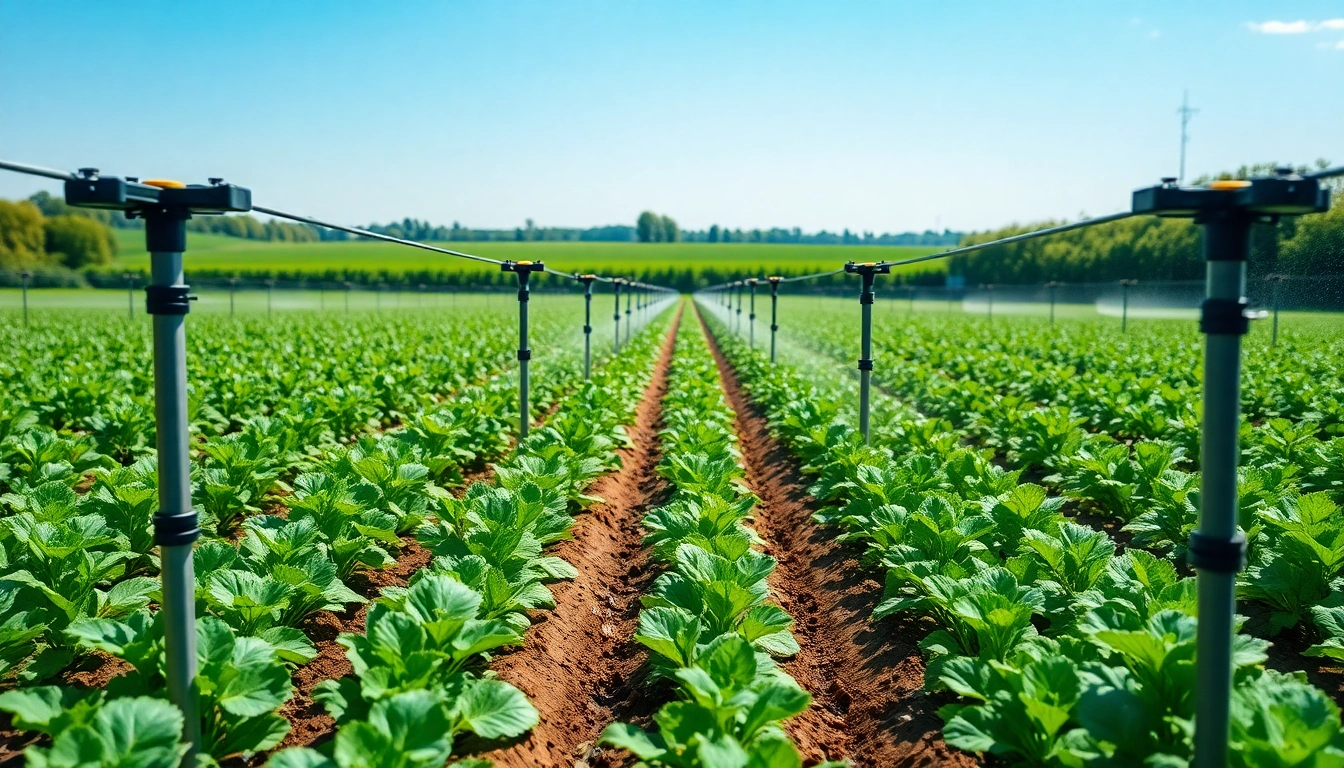
Understanding Land Irrigation Basics
What is Land Irrigation?
Land irrigation is the deliberate application of water to soil or land to assist in the production of crops. It is a crucial agricultural practice that helps in managing water resources more effectively and ensuring the growth of crops, especially in arid or semi-arid regions. The goal of land irrigation is to enhance crop yield and quality, making it a fundamental component of modern agriculture and sustainable farming practices. Efficient land irrigation systems can conserve water, improve soil structure, and contribute to overall agricultural sustainability.
Types of Land Irrigation Methods
There are several methods of land irrigation, each with its unique benefits and challenges. The most commonly used methods include:
- Surface Irrigation: This traditional method involves applying water directly onto the soil surface, allowing it to flow over the field. It is effective for many crops but can lead to uneven water distribution.
- Drip Irrigation: A highly efficient method, drip irrigation delivers water directly to the plant roots through a network of tubing and emitters. It reduces water usage and minimizes evaporation.
- Sprinkler Irrigation: This system uses pipes and overhead spray heads to distribute water like rainfall. It's versatile and can be adapted to various crop types and landscapes.
- Subsurface Irrigation: Water is applied below the soil surface, reducing evaporation and providing consistent moisture to the roots. This method is less common but highly efficient for certain crops.
- Flood Irrigation: Water floods the entire field, saturating the soil. While effective for certain crops, this method is less efficient due to high evaporation rates.
Importance of Efficient Land Irrigation
Efficient land irrigation is vital for several reasons:
- Water Conservation: Efficient practices reduce water waste, which is essential in areas facing water scarcity.
- Crop Yields: Proper irrigation results in healthier crops and higher yields, contributing to food security.
- Soil Health: Well-managed irrigation practices can prevent soil erosion and maintain soil structure.
- Adaptation to Climate Change: Efficient irrigation systems can help farmers adapt to changing weather patterns and prolonged droughts.
Choosing the Right Land Irrigation System
Factors to Consider for Land Irrigation
When selecting a land irrigation system, several factors must be considered:
- Soil Type: Different soil types retain and drain water differently. Understanding your soil properties is key to effective irrigation.
- Crop Requirements: Different crops have varying water needs. Aligning the irrigation method with these needs ensures optimal growth.
- Climate Conditions: Rainfall patterns, temperature, and humidity levels significantly influence irrigation practices.
- Water Availability: The source, quality, and quantity of water available for irrigation can dictate the choice of irrigation system.
- Cost and Maintenance: Initial setup costs and ongoing maintenance should also be factored into the decision-making process.
Comparing Sprinkler and Drip Irrigation
Sprinkler and drip irrigation are two of the most popular methods used in modern agriculture. Here's a comparative analysis:
CriteriaSprinkler IrrigationDrip IrrigationWater EfficiencyModerately efficient; potential for evaporation lossesHighly efficient; water delivered directly to rootsCostLower initial costs; higher maintenanceHigher initial costs; low maintenanceSuitabilitySuitable for various crops and terrainsBest for row crops, trees, and greenhousesLabor IntensityRequires more labor for setupRequires less labor post-installation
Innovative Technologies in Land Irrigation
The agricultural sector has seen significant advancements in irrigation technologies. Innovations include:
- Smart Irrigation Systems: These systems use sensors and weather data to optimize irrigation schedules and conserve water.
- Automated Controllers: Automatic timers can regulate watering frequency and duration, reducing human error.
- Soil Moisture Sensors: Real-time monitoring helps farmers water crops only when necessary, preventing over-irrigation.
- Remote Monitoring: Mobile apps and web platforms enable farmers to manage their irrigation systems from anywhere.
Best Practices in Land Irrigation Management
Scheduling and Timing for Optimal Results
Proper scheduling of irrigation is essential for maximizing water efficiency. Best practices include:
- Early Morning Irrigation: Watering in the morning minimizes evaporation losses. The cooler temperatures allow for better absorption.
- Frequency Adjustments: Changing irrigation frequency based on changing weather conditions and crop growth stages optimizes water usage.
- Seasonal Adjustments: Adapt irrigation schedules to the changing seasons, particularly during dry spells.
Monitoring Soil Moisture Levels
Monitoring soil moisture is essential for effective irrigation management. Techniques for monitoring include:
- Soil Probes: Using probes helps in assessing moisture content accurately at different soil depths.
- Tensiometers: These devices measure the tension in the soil, indicating how much effort plants must exert to extract water.
- Smart Technology: Integrating smart sensors and devices can automate moisture readings and provide real-time data.
Adjusting Irrigation Based on Crop Needs
Adjusting irrigation practices according to the specific needs of different crops enhances efficiency. Considerations include:
- Crop Growth Stages: Different stages of crop development require varying amounts of water. Tailoring irrigation to these stages ensures optimal hydration.
- Crop Type: Understanding specific water needs of crops like grains versus vegetables can refine irrigation practices.
- Environmental Conditions: Regular assessment of weather conditions allows for adjustments to irrigation schedules based on rainfall or temperature changes.
Land Irrigation Challenges and Solutions
Common Problems in Land Irrigation
Challenges are inherent to land irrigation practices. Some of the most common issues include:
- Pest Infestation: Waterlogged conditions can lead to pest outbreaks. Implementing drainage solutions can mitigate this risk.
- Inconsistent Watering: Uneven distribution can lead to crop stress. Regular maintenance of systems and calibrating equipment can solve this problem.
- Salinization: Over-irrigation can lead to the buildup of salts in the soil, harming crops. Using proper irrigation techniques can minimize this.
Addressing Water Scarcity Issues
Water scarcity poses significant challenges for irrigation management. Strategies to address this include:
- Rainwater Harvesting: Capturing and storing rainwater can supplement irrigation needs during dry periods.
- Water Recycling: Reusing treated wastewater for irrigation reduces demand on freshwater sources.
- Conservation Practices: Encouraging farmers to adopt practices such as mulching and cover cropping can improve soil health and moisture retention.
Improving Efficiency and Reducing Waste
Reducing water waste in irrigation systems is paramount. Best practices include:
- Regular System Maintenance: Periodic checks and maintenance of irrigation systems can prevent leaks and inefficiencies.
- Tailored Irrigation Techniques: Choosing the right method based on specific environmental and crop conditions can significantly enhance water efficiency.
- Education and Training: Providing farmers with knowledge about the latest irrigation technologies and methodologies promotes better management.
Measuring Success in Land Irrigation
Key Performance Indicators for Land Irrigation
Measuring the effectiveness of irrigation practices entails evaluating several key performance indicators (KPIs):
- Water Use Efficiency: The ratio of crop yield to water used is a primary measure of irrigation efficacy.
- Soil Moisture Levels: Regular monitoring of soil moisture provides insights into the effectiveness of irrigation practices.
- Crop Yield: Comparing yields between irrigated and non-irrigated plots helps assess the impact of irrigation.
Assessing Crop Yield Improvements
Evaluating improvements in crop yields due to irrigation changes is crucial. Considerations include:
- Historical Comparisons: Analyzing yield data from previous years before and after implementing new irrigation strategies can highlight improvements.
- Control Groups: Conducting experiments by maintaining control groups can demonstrate the effectiveness of specific irrigation strategies.
- Market Analysis: Understanding how improved yields impact market prices can inform better irrigation decisions.
Long-term Sustainability and Profitability
Sustainability in land irrigation isn't just an environmental consideration; it also drives profitability. Key factors include:
- Resource Management: Efficient irrigation conserves resources, leading to better long-term sustainability.
- Cost Savings: Reducing water consumption directly correlates with cost savings and improved profitability for farmers.
- Market Demand: Meeting the growing demand for sustainably sourced products can increase market opportunities for farmers utilizing efficient irrigation.
Frequently Asked Questions
1. What is the most efficient irrigation method?
Drip irrigation is often considered the most efficient method due to its direct-to-root water delivery, minimizing waste and evaporation.
2. How can I determine my soil's irrigation needs?
Conduct soil moisture tests, observe crop growth, and consider climatic conditions to assess irrigation needs effectively.
3. What are the signs of over-irrigation?
Symptoms include yellowing leaves, root rot, and excessive weed growth. Adjusting irrigation frequency is necessary to resolve this.
4. Can irrigation systems be automated?
Yes, automated irrigation systems use sensors and timers to optimize watering schedules based on real-time data.
5. Why is water conservation important in irrigation?
Water conservation is vital for sustainability, especially in regions facing water scarcity. Efficient practices ensure resources are used responsibly.