Understanding Commercial Roof Waterproofing
In the realm of commercial construction, ensuring the durability and longevity of a building’s roof is paramount. One of the most effective methods for achieving this is through commercial roof waterproofing. This process involves applying protective barriers to prevent water intrusion, which can lead to extensive damage over time. Understanding the intricacies of commercial roof waterproofing is crucial for property owners and managers alike, as it not only safeguards the structure but also enhances its overall value.
What is Commercial Roof Waterproofing?
Commercial roof waterproofing is the application of specialized materials that create a water-resistant barrier on roofing systems. These materials can take various forms, including liquid membranes, sheet membranes, and coatings. The aim is to prevent water from penetrating the roof and causing leaks that can compromise the integrity of the building. This protective layer can be applied to several roof types, including flat, sloped, or low-slope roofs, making it a versatile solution for many commercial properties.
Importance of Waterproofing for Commercial Roofs
The significance of waterproofing cannot be overstated. Water intrusion can lead to a myriad of problems including mold growth, structural deterioration, and increased energy costs due to inefficiencies. By investing in waterproofing, property owners can protect their assets, extend the lifespan of the roofing system, and ensure compliance with building codes and regulations. Additionally, effective waterproofing contributes to better energy performance, which can reduce operational costs over time.
Common Challenges in Commercial Roof Waterproofing
Despite its importance, several challenges may arise during the waterproofing process. Weather conditions can play a significant role; excessive rain or extreme temperatures may hinder application. Furthermore, the existing condition of the roof is critical; if there are pre-existing issues, like structural weaknesses or improper drainage, waterproofing efforts may be compromised. Understanding and addressing these challenges is essential for successful implementation.
Types of Commercial Roof Waterproofing Solutions
Liquid Applied Membranes
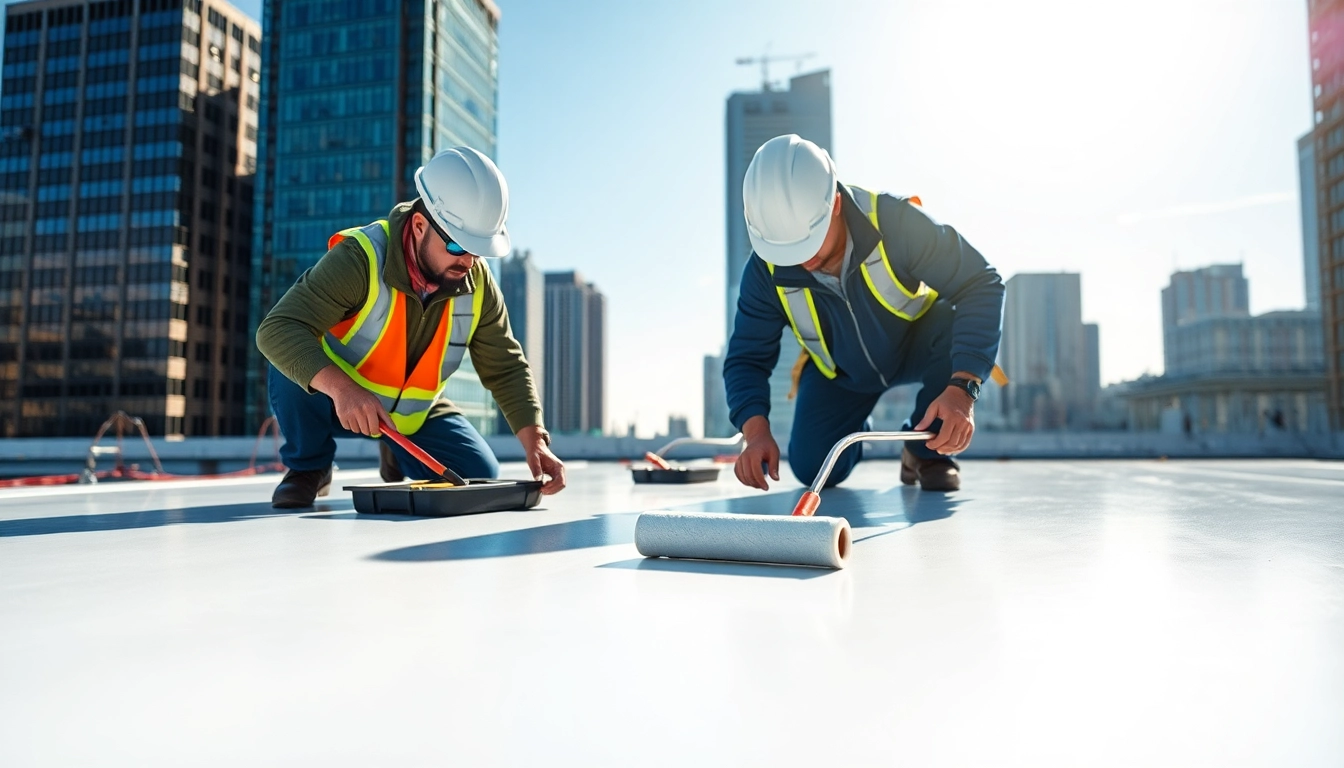
Liquid applied membranes are one of the most popular options for commercial roof waterproofing. These polyurethane or acrylic-based coatings are applied as a liquid and then cure to form a seamless, durable membrane. The primary advantage of liquid applied membranes is their ability to conform to the roof's contours and fill any cracks and seams, providing comprehensive coverage. They are particularly effective for complex roof designs and can be easily applied in multiple layers to enhance durability.
Sheet Membranes
Sheet membranes, often made from materials such as TPO, PVC, or EPDM, are prefabricated sheets that are adhered, mechanically fastened, or ballasted to the roof surface. These membranes offer quick installation and are generally less labor-intensive compared to liquid membranes. Their strength lies in their resistance to ultraviolet rays and harsh weather conditions, making them suitable for a wide range of climates. Additionally, sheet membranes can offer varying levels of insulation, contributing to energy efficiency.
Coating Systems
Coating systems serve as an effective method for restoring and enhancing existing roofing systems. These coatings can be acrylic, silicone, or aluminum-based, providing a waterproof layer over the surface. They are particularly advantageous for extending the life of an aging roof without the need for complete replacement, thus saving costs. Additionally, coatings can offer UV protection, reducing heat buildup and improving energy efficiency.
Best Practices for Successful Commercial Roof Waterproofing
Surface Preparation Techniques
Effective waterproofing begins with proper surface preparation. This includes cleaning the roof surface to remove debris, dirt, and any existing materials that may inhibit adhesion. It's advisable to repair any damage before applying roofing systems, as neglecting this step can lead to future complications. Moreover, the surface should be inspected for any ponding water areas that might require additional drainage solutions.
Application Methods for Maximum Efficiency
Choosing the right application method is crucial for ensuring the effectiveness of the waterproofing system. For liquid membranes, techniques such as spray, brush, or roller application may be employed, depending on the roof's size and complexity. Sheet membranes require careful alignment and overlapping at seams to avoid leaks. For coatings, the even application and respecting the required number of coats are key factors that contribute to their success.
Regular Maintenance and Inspection
Once the waterproofing system is installed, ongoing maintenance and inspections are essential. Regularly scheduled evaluations can identify early signs of wear and tear, ensuring timely repairs before significant damage occurs. Simple maintenance tasks, such as clearing drains and inspecting seams and flashings, can enhance the lifespan of the waterproofing system and ultimately save on repair costs.
Cost Considerations for Commercial Roof Waterproofing
Factors Influencing Waterproofing Costs
The cost of commercial roof waterproofing can vary dramatically based on several factors. These include the type of waterproofing system chosen, the roof's size and complexity, and the preparation requirements. Additionally, geographical location and local labor rates can influence overall costs. Understanding these variables will assist in planning budgets effectively.
Return on Investment Analysis
Investing in commercial roof waterproofing can yield significant returns over time. Property owners may experience reduced maintenance costs, lower energy expenses, and extended roof lifespan. Conducting a return on investment analysis can aid in justifying initial expenses, particularly when considering the long-term savings associated with effective waterproofing strategies.
Budgeting Tips for Businesses
Creating a well-structured budget for waterproofing projects involves meticulous planning. It's beneficial to allocate funds not only for the initial waterproofing application but also for regular maintenance. Including a percentage for unexpected repairs or additional maintenance will help ensure that budgets remain flexible and manageable. Consulting with waterproofing professionals can provide insights into realistic budgeting for the specific needs of a business.
Future Trends in Commercial Roof Waterproofing
Innovations in Materials and Techniques
As technology advances, the commercial roofing industry continues to evolve. New materials that offer high durability, reflective qualities for energy efficiency, and environmentally friendly attributes are emerging. Innovations such as self-healing membranes and nanotechnology-based coatings represent the cutting edge of waterproofing technology, promising longer-lasting and more efficient systems.
Sustainable Waterproofing Solutions
With an increasing focus on sustainability within the construction industry, waterproofing solutions that incorporate green technologies are gaining popularity. These may include coatings that reduce heat absorption, thereby lessening the need for air conditioning, or solutions made from recycled materials. Implementing sustainable waterproofing practices not only benefits the environment but also enhances a building’s marketability to eco-conscious tenants.
Digital Tools for Project Management
The advent of digital tools and software has revolutionized project management in commercial construction. Tools that assist in tracking the application process, scheduling inspections, and maintaining documentation are becoming standard practice. Utilizing these digital resources can streamline workflow, ensuring timely completion of waterproofing projects while also enhancing communication among stakeholders.