Understanding Cabinetry: Types and Materials
Introduction to Cabinetry Types
When it comes to enhancing the aesthetics and functionality of your home, cabinetry plays a significant role. The type of cabinetry you choose can completely transform your space, serving as both a practical storage solution and a stylish focal point. There are various styles of cabinetry available, including traditional, contemporary, and shaker, each offering unique characteristics to fit your home's décor. Understanding these types is essential in making an informed decision that enhances the overall appeal of your space.
Popular Materials Used in Cabinetry
Choosing the right material for your cabinetry is crucial for durability, maintenance, and aesthetic appeal. Here are some of the most popular materials used in cabinetry:
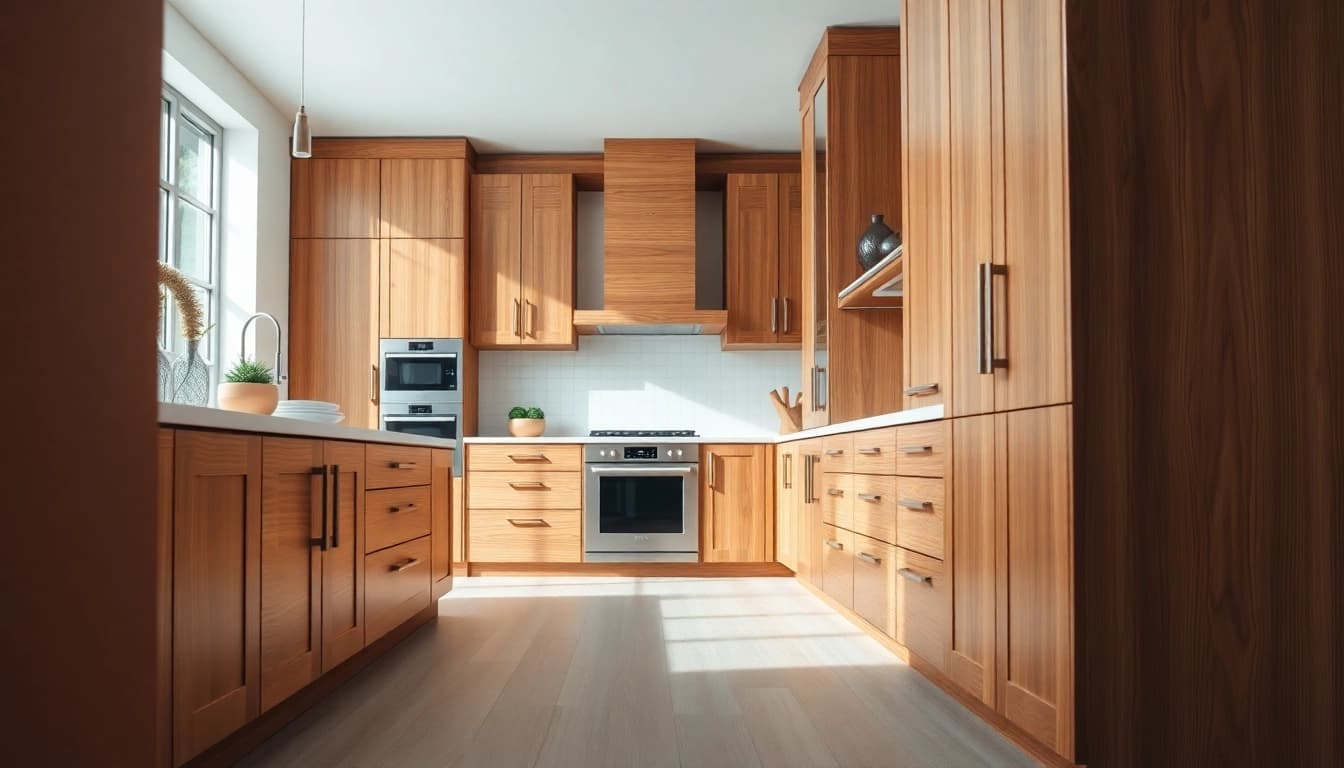
- Wood: A timeless choice, wood cabinetry offers warmth and versatility. Hardwood varieties such as oak, maple, and cherry are particularly favored for their durability.
- Engineered Wood: This includes materials like plywood and MDF. They are often used for cabinetry due to their stability and smoother finishes.
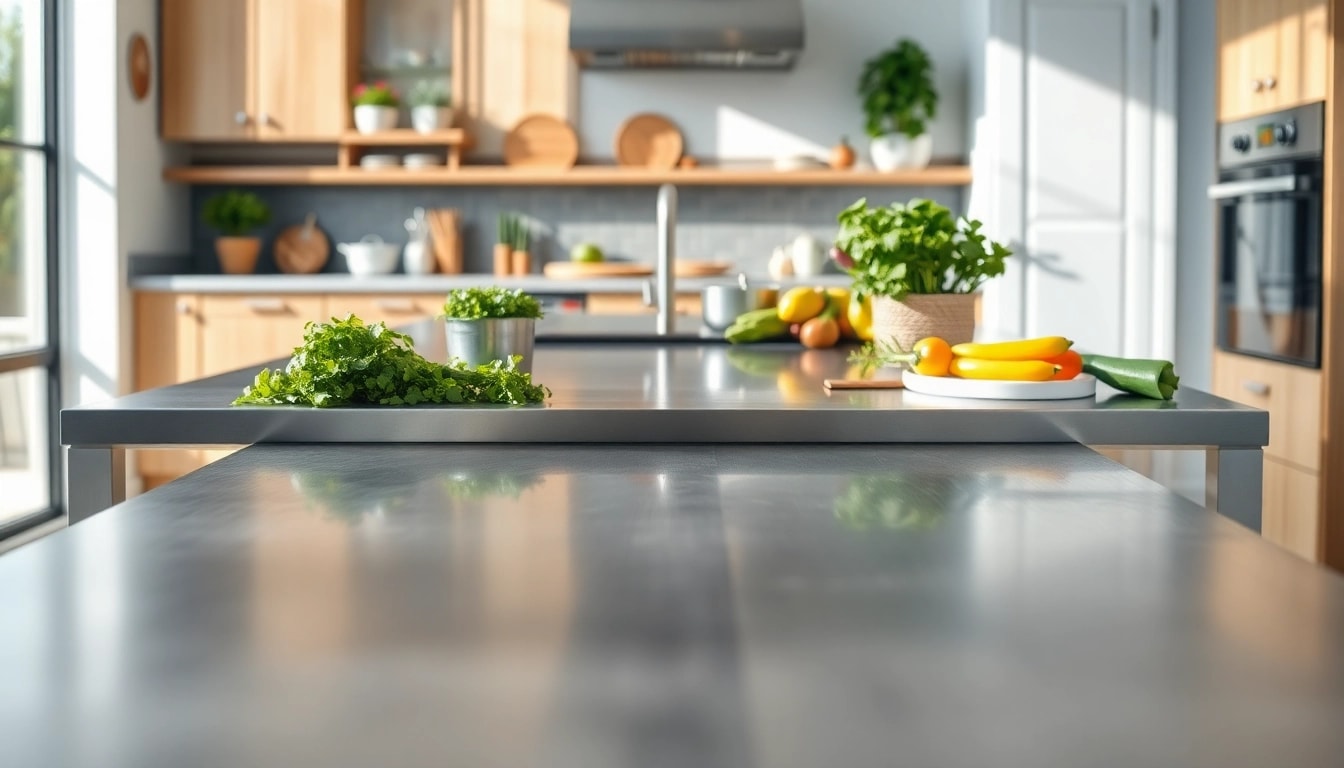
- Metal: Increasingly popular in modern designs, metal cabinetry provides a sleek, industrial look and is highly durable and low maintenance.
- Laminate: A budget-friendly option that can mimic the look of wood or other materials while being resistant to moisture and easy to clean.
- Glass: Often used for cabinet doors, glass adds elegance and allows for the display of decorative items while keeping them dust-free.
Choosing the Right Fit for Your Space
When selecting cabinetry for your home, consider factors such as space, style, and function. Measure your area carefully to ensure a proper fit. Think about whether you need open shelving, closed cabinetry, or a combination of both. Additionally, consider how the cabinetry complements other design elements in your home, such as countertops and flooring. By thoughtfully choosing the right cabinetry, you can create a harmonious and functional living environment.
Design Trends in Cabinetry for Modern Homes
Color Schemes and Finishes to Consider
Today’s cabinetry designs are leaning towards bold color choices and unique finishes. Popular trends include striking dark colors like navy or charcoal paired with lighter countertops. Matte finishes are also in vogue, offering a sophisticated yet understated aesthetic. Adding texture through distressed or wire-brushed finishes can create a sense of depth, elevating the overall appearance of your cabinetry.
Innovative Styles in Cabinetry Design
Cabinetry design is ever-evolving, with innovations constantly reshaping how we think about storage. Open-faced cabinetry that allows for decorative displays is becoming common in kitchens and living areas. Additionally, modular cabinetry systems that adapt to various spaces are gaining traction due to their flexibility. Concepts like hidden cabinetry maximize space and keep environments looking neat and tidy without sacrificing accessibility.
How to Incorporate Trends Without Overdoing
While it's tempting to incorporate all the latest trends into your cabinetry, moderation is key. Start by selecting one or two standout elements that align with your aesthetic vision. For instance, if you opt for bold colors, balance them with neutral tones in surrounding areas. It’s essential to maintain a cohesive look that reflects your personal style while still being functional and timeless. Often, investing in classic elements and layering in trends can create a balanced design.
Maximizing Storage and Functionality with Cabinetry
Smart Storage Solutions for Small Spaces
In smaller homes or apartments, space-saving cabinetry solutions are essential. Consider incorporating pull-out shelves or Lazy Susans to make the most of every inch of space. Vertical cabinetry can utilize unused wall space effectively. Additionally, implementing drawer organizers can help keep utensils and small items neatly stored while remaining easily accessible.
Designing for Accessibility and Ease of Use
Cabinetry should not only be aesthetically pleasing but also functional for all users. Consider ergonomics when designing your space—ensure that cabinetry is at a comfortable height and that pull-out features are easy to manage. Soft-close hinges and drawers can improve accessibility and user-friendliness while reducing wear and tear over time.
Custom vs. Pre-made Cabinetry: Which is Best?
When deciding between custom and pre-made cabinetry, weigh factors such as budget, timeline, and personal preferences. Custom cabinetry allows for tailored designs that meet your specific needs and style preferences, but often comes at a higher price tag. On the other hand, pre-made cabinetry can be more cost-effective and available for quicker installation. Carefully evaluate your unique requirements and resources to make the best choice for your home.
Maintaining Your Cabinetry: Best Practices
Cleaning and Care Guidelines
Regular maintenance is crucial to prolonging the life of your cabinetry. Use gentle cleaning solutions that are suitable for the material, avoiding harsh chemicals that could damage the finish. Clean spills promptly and periodically check for dust accumulation to maintain a pristine appearance. For wood cabinets, applying a wax finish can protect the surface and enhance natural beauty.
Preventing Wear and Tear Over Time
Ensuring that your cabinetry endures the test of time requires proactive measures. Use cabinet doors and drawers gently to prevent hardware damage. Install soft-close mechanisms to reduce wear from slamming. Furthermore, managing humidity and temperature in your space can prevent wood from warping or finishes from cracking.
Repairing Common Issues with Cabinetry
Over time, cabinetry may experience some wear and tear. Common issues include scratches, fading finishes, or loose doors. For scratches, using a wood filler can effectively restore the surface. Fading can be improved with restaining, while loose hinges may only require tightening. Understanding these basic repair techniques can help you maintain your cabinetry’s integrity over the years.
FAQs About Cabinetry
What materials are best for cabinetry?
Wood, engineered wood, metal, laminate, and glass are popular materials, each offering unique advantages in durability, style, and maintenance.
How can I make my cabinetry more functional?
Incorporate pull-out shelves, vertical storage, and drawer organizers to enhance accessibility and maximize space in your cabinetry.
Are custom cabinets worth the investment?
Custom cabinetry allows for tailored solutions that perfectly match your space and needs, making it a worthwhile investment for many homeowners.
What current trends should I consider for cabinetry?
Bold colors, matte finishes, open cabinetry styles, and modular systems are popular trends that can modernize your space while adding functionality.
How do I maintain my cabinetry?
Regular cleaning, addressing spills promptly, protecting against humidity, and performing minor repairs can help preserve your cabinetry's appearance and functionality.