Understanding Video Analytics Technology
Video analytics refers to the use of artificial intelligence and software algorithms to analyze video footage for various purposes, including security, business intelligence, and operational efficiency. By automatically interpreting visual data, video analytics systems enhance surveillance and operational insights significantly. This article delves into the intricacies of video analytics technology, exploring its workings, benefits, applications, and best practices for implementation. For further in-depth insights, visit https://videoanalytics.co.uk/.
What is Video Analytics?
Video analytics encompasses a set of technologies that utilize AI to process and analyze video data. This technology can automatically detect and interpret aspects of the footage, such as the presence of individuals, vehicle movements, and abnormal activities. The primary goal is to enhance decision-making through actionable insights derived from the captured data.
Traditionally, video surveillance required manual monitoring, which is labor-intensive and prone to human error. With the adoption of video analytics, organizations can streamline their surveillance practices, enabling automatic alerts for interesting events and reducing reliance on constant human attention.
How Does It Work?
Video analytics works by employing various techniques, including:
- Object Detection: Identifying and classifying moving objects in video feeds.
- Facial Recognition: Recognizing or verifying individuals in the footage.
- Behavior Analysis: Monitoring object behavior to detect suspicious activities or unusual patterns.
- Motion Detection: Triggering alerts when unexpected movements occur in defined areas.
The process begins with video data capture, followed by applying these techniques to convert raw footage into meaningful metrics. Data generated is then visualized or reported for user interpretation and action.
Key Benefits of Using Video Analytics
Integrating video analytics into surveillance systems offers numerous advantages:
- Enhanced Security: Real-time alerts for unauthorized access or suspicious behavior improve facility security.
- Operational Efficiency: Automated processes reduce the need for continuous human monitoring, saving time and costs.
- Data-Driven Decision Making: Actionable insights enhance strategic decisions in operations, marketing, and security protocols.
- Reduced False Alarms: Advanced analytics minimize unnecessary alerts, allowing resources to focus on genuine threats.
Applications of Video Analytics
Commercial Security and Surveillance
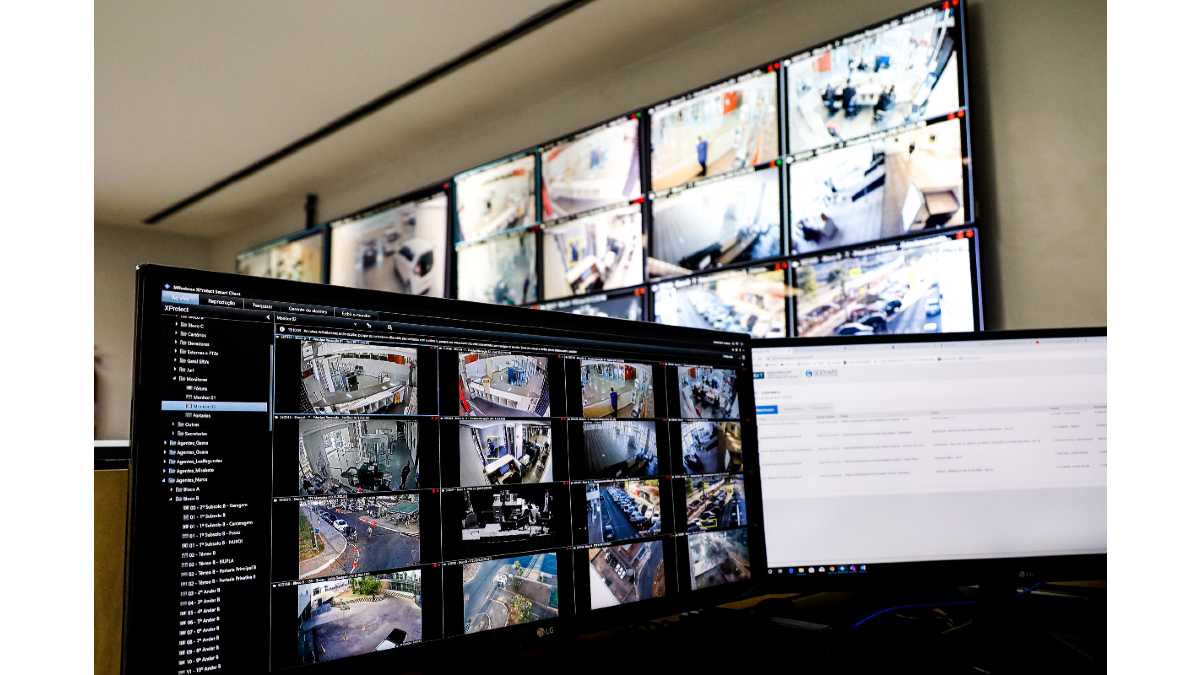
In the commercial sector, video analytics plays a crucial role in bolstering security measures. By enabling automated surveillance, businesses can monitor entrances, exits, and other key areas continuously. Analytics systems can detect intrusions in real time and provide immediate alerts to security personnel. Implementation of facial recognition technologies can further enhance security by identifying known individuals and flagging unauthorized access.
Traffic Monitoring and Management
Video analytics facilitates efficient traffic management by monitoring road conditions and vehicle flow. Systems can detect traffic congestion, analyze vehicle speeds, and identify incidents such as accidents or road blockages. This data assists authorities in making informed decisions about traffic control measures, improving overall road safety and minimizing delays.
Retail Analytics for Customer Insights
Retailers employ video analytics to enhance customer experience and operational efficiency. By analyzing customer foot traffic and behavior within stores, businesses can optimize store layouts, appropriately staff areas, and tailor marketing strategies to increase sales. Understanding peak shopping times and identifying popular product displays further allow for informed inventory management.
Choosing the Right Video Analytics Solution
Essential Features to Look For
When selecting a video analytics solution, consider these key features:
- Scalability: The ability to expand the system as needs grow.
- Integration Capabilities: Compatibility with existing video management systems and hardware.
- Real-Time Processing: Capabilities to process and analyze video feeds in real time.
- User-Friendly Interface: Easy-to-use dashboards for non-technical users.
Integration with Existing Systems
A vital aspect of choosing a video analytics solution is its compatibility with existing security infrastructure. Seamless integration ensures that new systems can operate alongside old ones without redundancy or operational disruption. Businesses should prioritize solutions that support diverse hardware and video formats, facilitating a smoother transition and maximizing prior investments.
Cost Considerations and ROI
While budget is always a consideration, understanding the value and potential return on investment (ROI) is crucial. Analyze the cost of implementation against the expected benefits, such as reduced labor costs, improved security, and enhanced productivity. A well-executed video analytics strategy can significantly reduce long-term operational costs while increasing efficiency.
Best Practices for Implementing Video Analytics
Defining Your Objectives and KPIs
Before implementation, it is essential to define clear objectives and key performance indicators (KPIs). Objectives should align with broader business goals, and KPIs should be measurable, allowing for ease of evaluation post-deployment. These metrics could include reduction in theft, improved operational response time, or enhanced customer engagement rates.
Training Your Team
Successful deployment of video analytics systems hinges on proper training for team members. Users must be proficient in understanding the analytics output, utilizing software tools, and responding appropriately to alerts. Creating comprehensive training programs will empower staff to make the most out of the analytics capabilities.
Regular Monitoring and Updates
Continuous monitoring of the analytics system is essential for maintaining its efficiency and effectiveness. Regular software updates and system checks will ensure optimal performance, while analysis of collected data should be ongoing to refine strategies and improve decision-making further.
Future Trends in Video Analytics
AI and Machine Learning Enhancements
The integration of artificial intelligence and machine learning into video analytics is set to revolutionize the industry. These technologies continually learn from data to enhance accuracy and predictive capabilities. Future systems will likely offer improved object recognition, anomaly detection, and automated reporting, making surveillance smarter and more efficient.
Privacy Concerns and Ethical Considerations
As video analytics technology evolves, understanding privacy concerns becomes paramount. Organizations must ensure that analytics systems adhere to local regulations and ethical considerations, particularly regarding data collection and handling. This includes transparent policies regarding video footage usage, storage, and sharing.
Emerging Technologies and Innovations
The landscape of video analytics is dynamic, with emerging technologies paving new avenues for innovation. Integration with IoT devices, advancements in cloud computing, and remote monitoring capabilities are a few areas to keep an eye on. These technologies can improve connectivity, expand data sources, and enhance predictive analyses further.
Frequently Asked Questions
What is the accuracy of video analytics systems?
Video analytics can achieve highly accurate results, typically exceeding 90% accuracy in tasks such as object detection and tracking, though this can vary based on video quality and environmental factors.
How can video analytics enhance security measures?
By automating threat detection, video analytics enhances security through real-time alerts, reducing the need for constant human monitoring, and providing actionable insights for security personnel.
Can video analytics analyze customer behavior?
Yes, video analytics can track customer behavior, foot traffic, and engagement with products, helping businesses understand consumer patterns and optimize store layouts and staffing.
What are the costs associated with implementing video analytics?
Costs vary based on the solution's complexity and scale. Factors include hardware, software, installation, and training expenses, balanced against potential savings and ROI from enhanced efficiencies.
How do I choose the right video analytics solution?
Select a solution based on scalability, integration capabilities, real-time processing, and user-friendly interfaces to ensure it meets both current and future needs of your organization.