Understanding Interior Wall Paneling
What is Interior Wall Paneling?
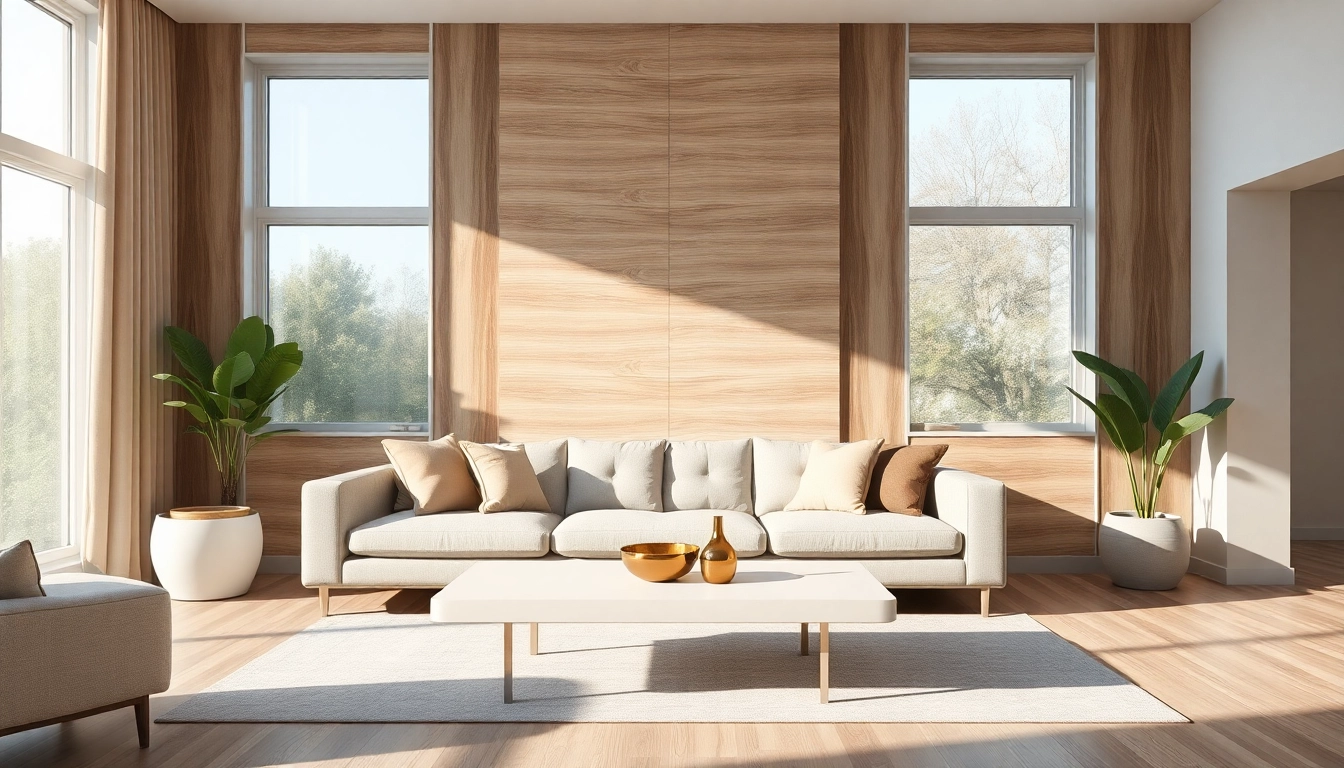
Interior wall paneling is a versatile decorative and functional covering for walls, designed to enhance aesthetics while providing insulation and soundproofing. This architectural feature can consist of an array of materials, including wood, MDF, and composites, tailored to suit various styles and budgets. By incorporating interior wall paneling, homeowners can significantly elevate the look and feel of their spaces.
Different Types of Interior Wall Paneling
When it comes to interior wall paneling, a variety of options are available, each with distinct characteristics. Understanding these types can help you choose the ideal solution for your needs:
- Wood Paneling: This classic choice brings warmth and richness to interiors. Varieties like cedar and oak can be stained or painted to match any decor.
- MDF Paneling: Medium-density fiberboard is cost-effective and can be easily shaped, making it a popular choice for decorative molding and simpler designs.
- Vinyl Paneling: Resistant to moisture and easy to clean, vinyl paneling is ideal for areas with high humidity, like bathrooms or basements.
- Acoustic Panels: These are designed to absorb sound, making them perfect for home theaters or offices where noise reduction is a priority.
- Textured Panels: Available in various patterns, these panels can create a striking visual impact, often used to create feature walls.
Key Benefits of Using Interior Wall Paneling
Implementing interior wall paneling offers numerous benefits that extend beyond mere decoration:
- Enhances Aesthetics: Wall paneling adds character and style to a room, allowing for creative personalization.
- Improves Insulation: Properly installed paneling can help regulate room temperatures and reduce energy costs.
- Soundproofing: Certain panels, especially acoustic types, can reduce noise transmission between rooms.
- Easy Maintenance: Many materials used in paneling are easy to clean and require minimal upkeep compared to traditional walls.
- Concealing Imperfections: Paneling effectively hides wall flaws, such as cracks or uneven surfaces, providing a beautifully finished look.
Choosing the Right Interior Wall Paneling Materials
Wood vs. Composite Materials
Deciding between wood and composite materials for your interior wall paneling comes down to personal preference and practical needs:
- Wood: Offers natural beauty and can vary widely in grain and hue. However, it may require more maintenance and can be pricier.
- Composite Materials: Generally more affordable and resistant to warping or rotting. They come in a range of finishes but may lack the authentic warmth of solid wood.
Eco-friendly Paneling Options
For the environmentally conscious, eco-friendly interior wall paneling options exist that minimize environmental impact:
- Reclaimed Wood: Sourced from old buildings and barns, this type of paneling is sustainable and adds unique character.
- Bamboo Panels: A rapidly renewable resource, bamboo is durable and offers a modern look.
- Cork Wall Panels: Harvested from the bark of cork trees, cork panels are biodegradable and provide excellent insulation.
Cost Considerations for Different Materials
The cost of interior wall paneling can vary significantly based on the material chosen:
- Wood Paneling: Prices can range from moderate to high, depending on the type of wood and finish.
- Composite Paneling: Generally more budget-friendly, offering a good balance between cost and aesthetics.
- Vinyl Paneling: Typically the most affordable option, ideal for budget-conscious renovations.
Design Ideas for Interior Wall Paneling
Contemporary Styles
For those drawn to a modern aesthetic, the following design ideas can enhance contemporary interiors:
- Flat-Panel Design: Simple and clean lines reinforce a minimalist style.
- Geometric Patterns: Combining panels in various shapes can create dynamic visual interest on walls.
- Bold Colors: Utilizing striking colors on paneling can act as a focal point in open-plan spaces.
Rustic and Farmhouse Looks
To achieve a rustic or farmhouse feel, consider these paneling ideas:
- Barn Wood Paneling: Reclaimed wood adds authenticity and nostalgia to spaces, perfect for a cozy environment.
- Shiplap Walls: This traditional design element brings a classic touch to modern homes, providing texture and warmth.
Creative Uses of Color and Texture
Incorporating color and texture can transform standard paneling into stunning focal points:
- Painted Panels: Experimenting with paint can enhance the design; consider a two-tone approach for added depth.
- Textured Finishes: Opt for panels with 3D textures that add visual interest and depth to the walls.
Installation Tips for Interior Wall Paneling
Preparing Your Walls for Paneling
Before installation, ensure your walls are clean, dry, and free from debris. Remove any old wallpaper or paint, and repair any imperfections such as holes or cracks to provide a smooth, stable surface for the paneling.
DIY vs. Professional Installation
While DIY installation can save costs, professional installation may ensure better quality and longevity of the finished product. Consider your skill set and the complexity of the project when making this decision.
Common Mistakes to Avoid
To achieve the best results, avoid these common pitfalls:
- Neglecting Measurements: Ensure accurate measurements before cutting panels.
- Improper Adhesive Use: Use the recommended adhesive or fasteners for your selected paneling material.
- Ignoring Acclimation: Allow wood panels to acclimatize to room conditions before installation to prevent warping.
Maintaining Your Interior Wall Paneling
Regular Cleaning Practices
To keep your paneling looking fresh, regular dusting and cleaning with a damp cloth and mild soap is advisable. Avoid harsh chemicals that may damage the finish.
Repairing Damage to Wall Paneling
Small dents and scratches can often be repaired with wood fillers or paint. For more significant damage, replacement panels may be necessary. Match new materials closely for the best aesthetic results.
Long-term Care Recommendations
Examine your wall paneling periodically for signs of wear or damage. Investing in sealing finishes or treatments can enhance durability and protect against environmental factors.
FAQs
What materials are best for interior wall paneling?
Materials like wood, MDF, and plywood are popular choices for interior wall paneling due to their durability and aesthetic appeal.
How does interior wall paneling improve insulation?
Properly installed paneling can add thermal insulation to walls, helping to maintain room temperature and reduce energy costs.
Can I install interior wall paneling myself?
Yes, DIY installation is possible, especially with peel-and-stick panels or kits, but professional installation ensures a polished finish.
What maintenance does interior wall paneling require?
Regular dusting and occasional cleaning with mild soap and water keep your paneling looking new and prolong its life.
Is interior wall paneling suitable for all rooms?
Yes, interior wall paneling is versatile and can be used in various rooms, including living areas, bathrooms, and offices.