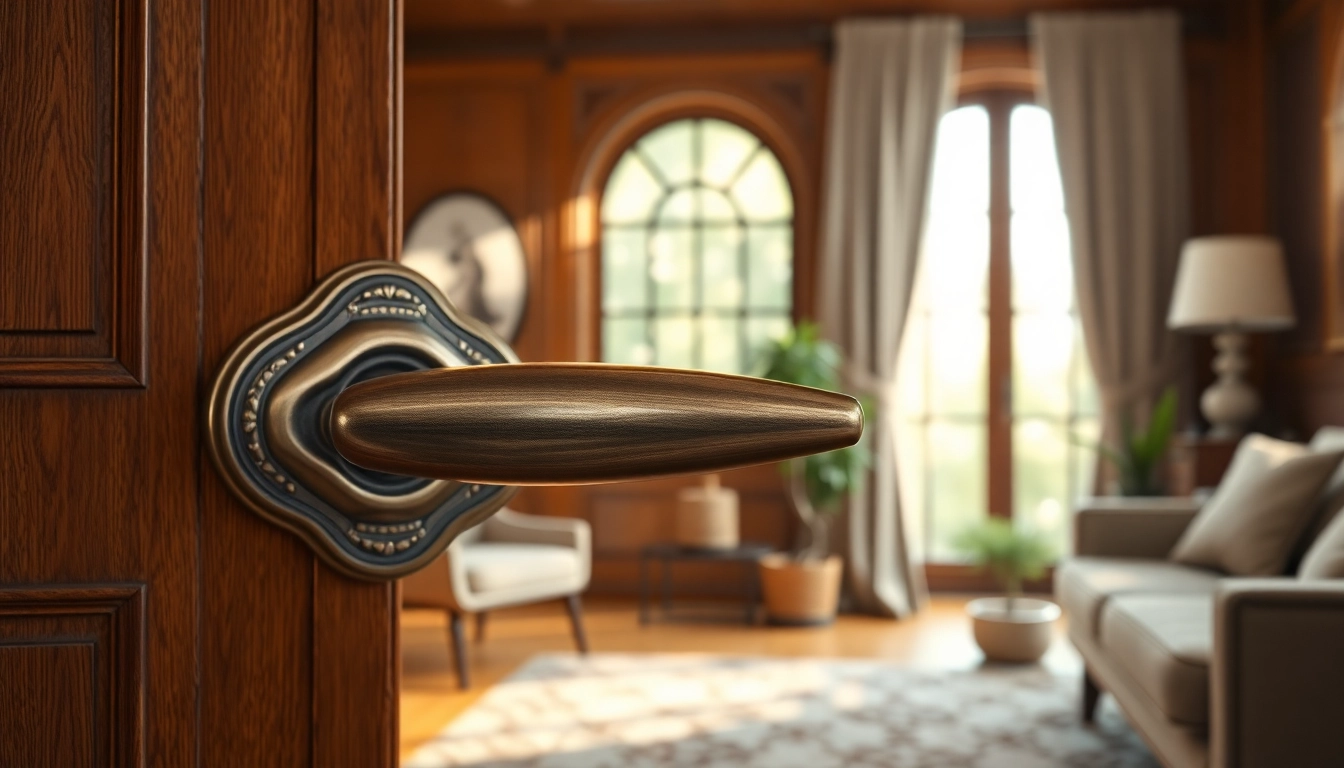
Understanding Door Handles
What is a Door Handle?
A door handle is a pivotal element in any interior or exterior door design, serving as the primary mechanism for opening and closing doors. Beyond its functional role, a door handle influences the aesthetic appeal of a room, offering various styles, materials, and finishes that contribute to the overall decor of your space. The right door handle can elevate the perception of quality and design within your home.
Components of a Door Handle
A typical door handle consists of several components:
- Handle or Knob: The part you grasp when operating the door.
- Base Plate: The flat piece that the handle mounts to, adding stability and supporting the mechanism.
- Latch Mechanism: The internal mechanism that secures the door when closed and allows it to open when the handle is turned.
- Lock (optional): Some door handles come with a locking feature for added security.
Types of Door Handles
Door handles are available in numerous types, each serving different needs and preferences:
- Lever Handles: Commonly used in commercial and residential settings, they are easy to operate, requiring less effort than a knob.
- Knob Handles: These are round and traditionally used in homes; they might require more dexterity, particularly for individuals who have difficulty gripping.
- Pull Handles: Suited for sliding doors or heavy doors, these handles allow for straightforward pulling and can be used as decorative elements.
- Smart Handles: Equipped with digital or biometric features, these modern handles enhance security without traditional keys.
Choosing the Right Door Handle
Factors to Consider
When selecting a door handle, various factors come into play:
- Functionality: Consider how frequently the door is used. For high-traffic areas, durability should take precedence.
- Accessibility: If there are young children or individuals with disabilities in the home, lever handles are often more accessible than knobs.
- Security: For external doors, prioritize handles with robust locking mechanisms to enhance safety.
- Comfort: Ensure the handle feels comfortable in your hand and aligns with your daily usage needs.
Matching Decor Styles
Your door handle should complement the overall aesthetic of your environment:
- Traditional: Opt for ornate brass or wrought iron handles that evoke a classic feel.
- Modern: Sleek and minimalistic handles in stainless steel or matte black work well in contemporary decor.
- Rustic: For farmhouse or rustic designs, handcrafted wooden or vintage-style handles add warmth and charm.
Why Material Matters
The material of a door handle significantly affects its durability, appearance, and maintenance requirements:
- Brass: Known for its corrosion resistance, brass adds a touch of elegance and is often found in traditional designs.
- Stainless Steel: Highly durable and resistant to tarnishing, stainless steel is ideal for modern and industrial spaces.
- Bronze: Perfect for rustic settings, bronze offers a rich color and develops a unique patina over time.
Installing Your Door Handle
Tools Needed for Installation
Before installation, ensure you have the following tools:
- Drill
- Screwdriver
- Tape Measure
- Level
- Pencil or Marker
Step-by-Step Installation Guide
Follow these steps to install your door handle efficiently:
- Remove the Old Handle: Unscrew the existing door handle by turning the screws counterclockwise.
- Measure and Mark: Use a tape measure to determine the correct height and position for the new handle. Make marks for the holes.
- Drill Holes: Carefully drill holes at the marked positions in your door, ensuring accuracy.
- Attach the Latch: Follow the manufacturer's instructions to correctly install the latch mechanism in the hole on the edge of the door.
- Screw the Handle in Place: Align the handle with the latch and secure it with screws, ensuring it is tight but not over-torqued.
- Test the Handle: Open and close the door several times to ensure the handle operates correctly.
Common Installation Mistakes to Avoid
To ensure a successful installation, avoid these common pitfalls:
- Wrong Measurements: Always double-check your measurements to prevent misalignment.
- Over-tightening Screws: This can strip the screws or damage the handle; tighten them just enough to secure the handle.
- Ignoring Manufacturer Instructions: Different handles may have slightly different installation requirements; following details is essential.
Maintaining Your Door Handle
Cleaning Tips for Longevity
Proper cleaning ensures the longevity and functionality of your door handle:
- Use a mixture of mild soap and water to avoid harsh chemicals that can damage the finish.
- Regularly wipe the handle with a soft cloth to prevent dirt build-up.
- For tougher stains, use baking soda mixed with water to create a gentle scrubbing paste.
When to Replace a Door Handle
Consider replacing your door handle when:
- It becomes stuck or fails to latch effectively, leading to potential security concerns.
- The finish is worn or tarnished beyond cleaning.
- Structural damage, such as cracks or loose components, inhibits operation.
Simple Repairs You Can Do
Before replacing your handle, consider trying these quick repairs:
- Lubrication: If the handle is stiff, apply a few drops of lubricant to the latch and hinges.
- Re-tightening Screws: Loose screws can often be tightened to restore functionality.
- Cleansing Mechanisms: Dirt can accumulate; carefully clean the latch and relevant spaces to ensure smooth operation.
FAQs About Door Handles
What styles of door handles are available?
Various styles include modern, traditional, and minimalist designs, suitable for any decor.
How do I choose the right size for my door handle?
Measure your door thickness and choose a handle that fits both aesthetically and functionally.
Can I install a door handle on my own?
Yes, with the right tools and instructions, you can easily install a door handle by yourself.
What materials are best for durability?
Brass, stainless steel, and bronze are popular for their strength and resistance to corrosion.
How do I clean my door handle?
Use mild soap and water, and avoid abrasive cleaners to maintain the finish of the door handle.