Understanding the Importance of Vision in Children
Healthy vision is crucial for the overall development of children. It impacts their ability to learn, socialize, and engage with their surroundings. Unfortunately, many children struggle with vision impairments due to a lack of access to proper eye care. This article explores the essential aspects of children’s vision, resource accessibility, preventive measures, advocacy initiatives, and future directions in eye care, all while focusing on Our Children's Vision.
What is Our Children's Vision?
Our Children's Vision is a global initiative aimed at addressing the pressing issues related to children's eye health. The initiative focuses on increasing awareness, improving access to eye care services, and advocating for research and support in child eye health services. By engaging various stakeholders—from healthcare professionals to community leaders—this program endeavors to reach millions of children who currently lack the vision care they need.
The Impact of Vision on Child Development
The significance of vision in child development cannot be overstated. Vision is integral to the learning process, influencing cognitive abilities, language development, and social skills. Children with untreated vision problems may face challenges in academic progress, often resulting in reduced self-esteem and social isolation. Moreover, vision problems can affect motor skills and coordination, essential for playing and interacting with peers. Early detection and intervention are vital; thus, addressing children's vision needs must be a priority.
Common Vision Problems in Children
Several vision problems can affect children, each requiring unique attention and care:
- Refractive Errors: These include myopia (nearsightedness), hyperopia (farsightedness), and astigmatism, which can result in blurred vision.
- Amblyopia: Often referred to as "lazy eye," this condition can lead to permanent vision loss if not treated early.
- Strabismus: This is a misalignment of the eyes, which can affect depth perception and coordination.
- Color Vision Deficiency: Often known as color blindness, this affects the ability to distinguish between certain colors.
Addressing these issues through appropriate interventions, such as corrective lenses or vision therapy, can significantly improve outcomes for affected children.
Accessing Eye Care Resources
How to Find Eye Care Professionals
To ensure children receive the eye care they need, parents should know how to find qualified eye care professionals. Resources include local pediatricians, ophthalmologists, and optometrists who specialize in children's eye care. Parents can also explore professional organizations that can provide referrals. Community health resources and schools often conduct vision screenings, making them useful points of contact for families seeking eye care options.
Cost-Effective Eye Care Solutions
Many families face financial hurdles in accessing eye care for their children. Thankfully, various cost-effective solutions can help alleviate these challenges. Some options include:
- Sliding Scale Fees: Many clinics offer services based on income, making eye care more accessible for low-income families.
- Vision Insurance: Families should check their insurance plans to understand coverage options for eye exams and corrective lenses.
- Non-Profit Organizations: Certain organizations provide free or low-cost eye exams and glasses to children in need.
Utilizing these resources can significantly ease the financial burden associated with necessary eye care.
Community Programs Supporting Eye Health
Community involvement plays a pivotal role in enhancing children's access to vision care. Several programs support eye health through screenings, educational workshops, and eye care services. These initiatives contribute to raising awareness about the importance of regular eye exams while also providing necessary resources directly to families. Engaging with local non-profits and health organizations can yield opportunities for families to participate in these valuable programs.
Preventive Measures for Healthy Vision
Regular Eye Screenings and Their Importance
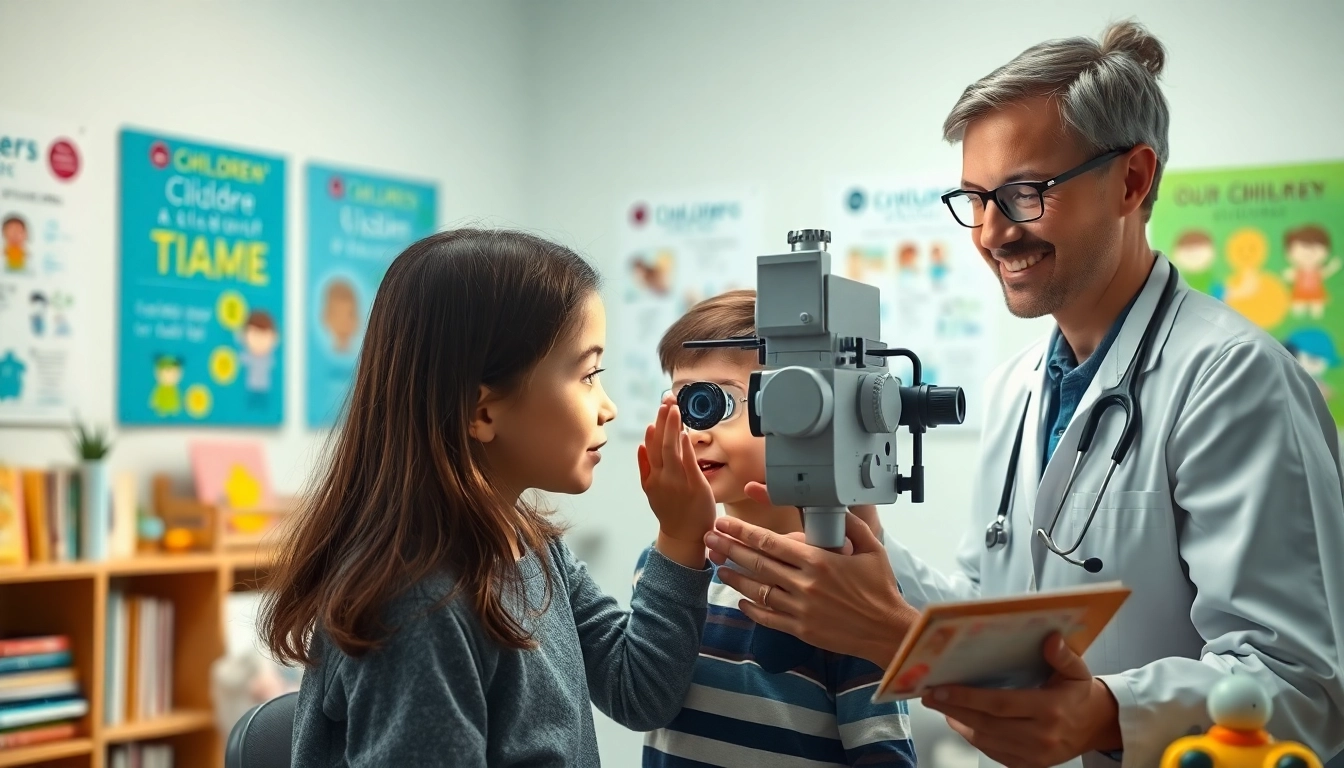
Regular eye screenings are essential for identifying vision problems at an early stage. These screenings can be conducted in various settings, including schools and pediatrician's offices. Early detection allows for timely interventions, which can vastly improve children’s visual outcomes. Ideally, children should undergo their first complete eye exam by age one, with subsequent exams as they grow older, especially if they exhibit any signs of vision problems.
Best Practices for Eye Health at Home
Parents can adopt several best practices to promote healthy vision at home, such as:
- Encouraging outdoor play, which is beneficial for eye health.
- Limiting screen time to prevent digital eye strain.
- Ensuring proper lighting during reading or homework sessions.
- Instilling a habit of taking regular breaks during extended focus on screen activities.
These measures, coupled with regular eye check-ups, create a solid foundation for healthy vision.
Nutrition’s Role in Vision Health
Nutrition significantly contributes to eye health. Certain nutrients have been shown to support vision and overall eye function:
- Vitamin A: Essential for good night vision and overall eye health, vitamin A can be found in carrots, sweet potatoes, and leafy greens.
- Omega-3 Fatty Acids: Important for proper retinal function; sources include fish and flaxseeds.
- Lutein and Zeaxanthin: Antioxidants found in green leafy vegetables and egg yolks that help protect against harmful light.
Encouraging a balanced diet rich in these nutrients can bolster eye health and prevent potential issues down the line.
Advocacy and Awareness Initiatives
How to Get Involved with Our Children's Vision
Getting involved with initiatives like Our Children's Vision offers individuals and communities an opportunity to make a tangible impact on children’s eye health. Engaging in awareness campaigns, fundraising, and educational events can spread knowledge regarding the importance of eye care. Volunteers can also help organize community outreach programs that provide comprehensive eye health services to underserved populations.
Building Partnerships in Local Communities
Collaborative efforts are essential to enhance access to eye care. Establishing partnerships with local schools, healthcare providers, and community organizations can create a robust support system aimed at improving children’s vision health. These partnerships can facilitate resource-sharing, combining expertise and outreach efforts to maximize effectiveness in addressing eye care needs.
Leveraging Social Media for Awareness
Social media platforms serve as powerful tools for raising awareness about children's vision issues. Individuals and organizations can share informative content, personal stories, and resources to create a larger conversation around eye health. Campaigns utilizing hashtags, focused outreach, and community challenges can galvanize public support and educate wider audiences about the significance of attending to children’s vision health.
Future Directions in Children's Eye Care
Innovations in Eye Care Technology
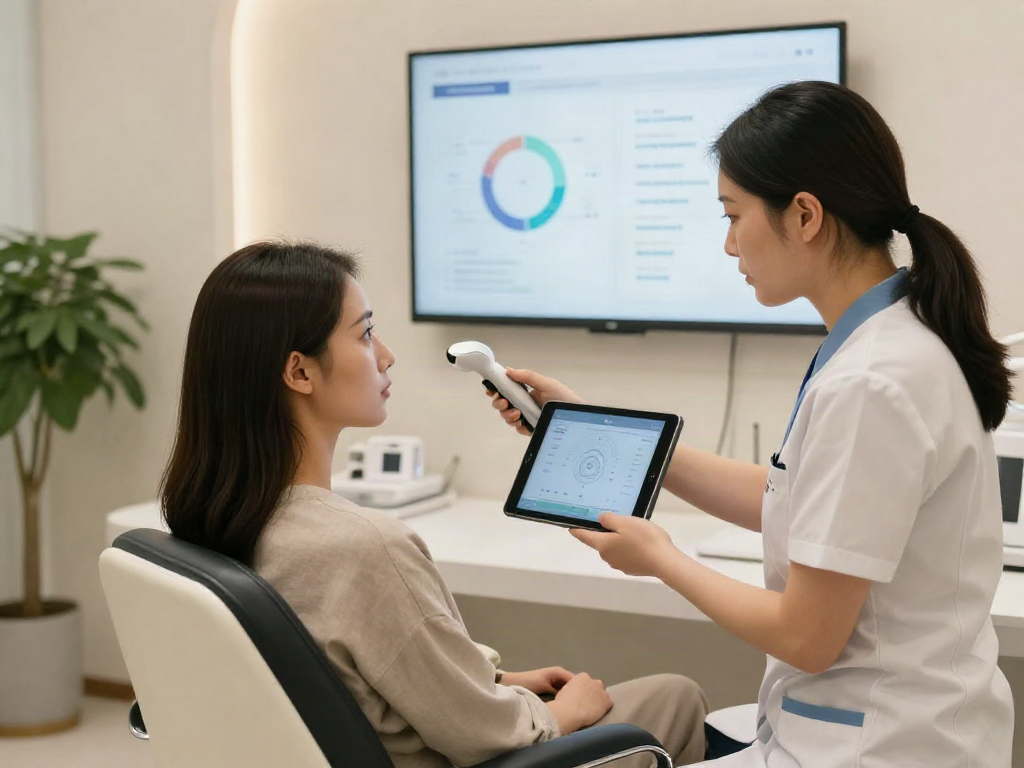
Technological advancements continue to shape the landscape of eye care, with innovative tools making screenings and treatments more efficient. Devices for remote vision assessments, telemedicine for consultations, and augmented reality applications for eye health education are just a few examples. Staying abreast of these innovations can empower stakeholders to provide better care.
Research Updates in Children's Vision Health
Ongoing research in pediatric vision health is vital for developing improved treatment protocols and understanding the prevalence of vision issues among children. Topics such as the genetic foundations of vision disorders, the impact of environmental factors on eye health, and advancements in preventive measures are focal points. Supporting research initiatives will help to devise strategies that can effectively address eye care disparities.
The Role of Education in Vision Health Advocacy
Education is crucial for fostering a culture of awareness surrounding children's vision health. Incorporating information about eye health into school curricula and community programs can better equip children, parents, and educators. Providing training for healthcare providers on the latest screening methods and treatment options is equally important. This educational framework can lead to a significant improvement in awareness and proactive measures in maintaining children’s vision health.