Understanding the Pallet Shrink Wrap Machine
What is a Pallet Shrink Wrap Machine?
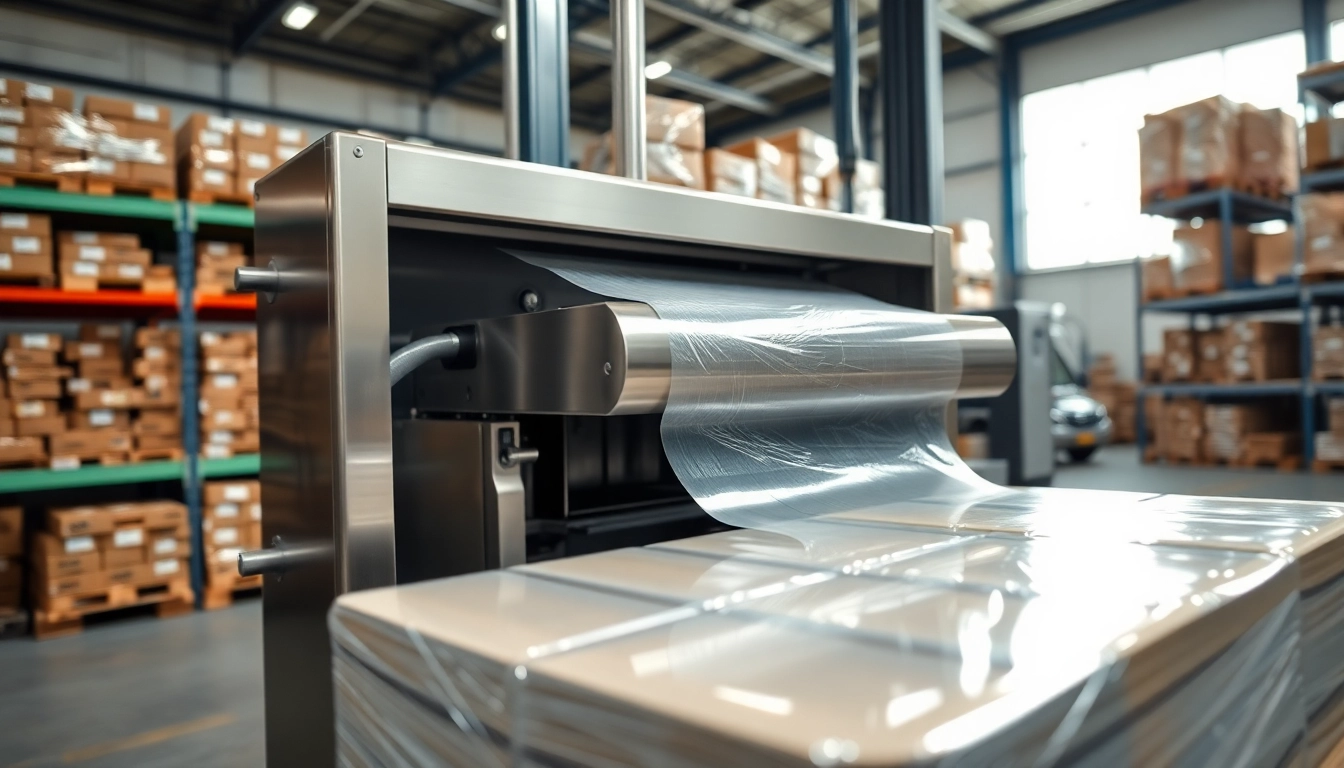
A pallet shrink wrap machine is an essential piece of equipment used in the packaging industry to wrap products securely on pallets. This machine uses a stretchable plastic film, which is heated to shrink tightly around the load, achieving a secure and protective wrap. The primary function of a pallet shrink wrap machine serves to safeguard goods during storage and transportation, ensuring they remain intact and free from contamination, moisture, and other environmental hazards.
In many businesses, both small and large, the need for efficient packaging solutions is critical. Utilizing a pallet shrink wrap machine can streamline your operations, reduce packaging time, and ultimately save costs.
How Does a Pallet Shrink Wrap Machine Work?
The operation of a pallet shrink wrap machine can be broken down into several key steps. Initially, products stacked on a pallet are positioned on the machine's turntable or conveyor system. The film is then fed around the load and affixed to the pallet base. Once the load is adequately enveloped, the shrinking process begins.
Once the wrapping is complete, the use of heat is introduced, typically through a heat tunnel or a heat gun. This step activates the shrink film, causing it to tighten and secure around the products. The result is a snug fit that keeps the items stationary, minimizing movement and the risk of damage during logistics. Understanding these mechanics is vital for effective machine operation and maintenance.
Benefits of Using a Pallet Shrink Wrap Machine
Utilizing a pallet shrink wrap machine offers numerous advantages, establishing it as a top choice in packaging. Noteworthy benefits include:
- Enhanced Protection: The shrink wrap protects products against dust, moisture, and environmental elements, ensuring that they arrive at their destination in pristine condition.
- Improved Stability: By securing the items to the pallet, shrink wrapping adds stability, reducing the likelihood of shift during transit.
- Cost Efficiency: Automating the wrapping process reduces labor costs and enhances productivity, allowing businesses to scale operations efficiently.
- Waste Reduction: Modern shrink wrap materials are designed to minimize waste, providing an environmentally friendly solution compared to other packaging methods.
Types of Pallet Shrink Wrap Machines
Automatic vs. Semi-Automatic Pallet Shrink Wrap Machines
Pallet shrink wrap machines can generally be categorized into automatic and semi-automatic systems.
Automatic machines handle the entire wrapping process with minimal human intervention. These systems are designed for high-volume operations, where efficiency is crucial. They typically offer features such as automatic film cutting, sealing, and heating.
Semi-automatic machines require some operator involvement, such as initiating the wrapping cycle or positioning the loads. They are suitable for businesses with moderate wrapping needs and can be more cost-effective for smaller operations.
Key Features of Different Models
When exploring different models of pallet shrink wrap machines, certain features can significantly influence performance:
- Speed: Different machines offer varying wrapping speeds, impacting productivity based on operational demands.
- Film Type: Compatibility with different shrink films is essential for versatility in packaging applications.
- Size Adjustability: The ability to adjust machine settings for different pallet sizes is crucial for businesses with diverse product offerings.
- Heat Source: Machines equipped with various heat sources, such as electric or gas, provide flexibility and efficiency in wrapping processes.
Choosing the Right Pallet Shrink Wrap Machine for Your Needs
When selecting the appropriate pallet shrink wrap machine, businesses should consider their specific needs, including production volume, the nature of the products, and budget constraints. Conducting a thorough analysis of expected packaging speed, the size of the loads, and any additional features necessary will aid in making an informed decision.
Operational Efficiency of Pallet Shrink Wrap Machines
Improving Packaging Speed with a Pallet Shrink Wrap Machine
Speed is a critical factor in modern manufacturing and distribution environments. By integrating a pallet shrink wrap machine into the packaging line, businesses can significantly improve packing times. Automated systems particularly excel in reducing the time taken to wrap large quantities of products.
Additionally, the operational flow can be enhanced through strategic layout designs. Positioning the machine at optimal points in the warehouse can facilitate a smooth transition from production to packaging, minimizing downtime and bottlenecks in the supply chain.
Cost-Effectiveness and ROI of a Pallet Shrink Wrap Machine
Investing in a pallet shrink wrap machine can yield substantial long-term cost savings. Automated systems, though initially more expensive, can lead to lower operational costs due to reduced labor needs and improved efficiency. Businesses experience quicker ROI, particularly in environments with high packaging needs.
Furthermore, with proper maintenance practices, these machines can operate reliably for extended periods, further amplifying their value over time. Careful consideration of total cost of ownership, which includes maintenance, energy use, and the initial investment, is necessary for a comprehensive financial assessment.
Maintenance Tips for Optimal Performance
To ensure longevity and consistent performance, maintenance of a pallet shrink wrap machine is paramount. Here are tips for optimal upkeep:
- Regular Inspections: Conduct routine checks for wear and tear on moving parts and components to prevent unexpected breakdowns.
- Cleaning: Keep the machine clean to prevent dust and film residue buildup, which could affect performance.
- Lubrication: Ensure that all mechanical components are well-lubricated as per the manufacturer's suggestions to maintain smooth operation.
- Training Operators: Provide comprehensive training to machine operators on best practices and troubleshooting to reduce avoidable damage.
Best Practices for Using a Pallet Shrink Wrap Machine
Preparing Goods for Wrapping
Proper preparation of goods is essential for effective use of the pallet shrink wrap machine. Ensure that items are securely stacked, evenly distributed, and free from loose wrapping or protruding parts that could affect the wrapping process. Clean surfaces prevent contamination and ensure that materials adhere properly.
Setting Up the Pallet Shrink Wrap Machine
A correct setup of the machine according to operational specifications will maximize efficiency. Familiarize staff with the adjustment settings based on load dimensions and the type of shrink film being used. This training can greatly enhance performance and reduce errors during the wrapping process.
Common Mistakes and How to Avoid Them
Common pitfalls when operating a pallet shrink wrap machine include improper film application, not achieving precise tension, and neglecting equipment maintenance. By implementing thorough training, maintaining a checklist for setups, and scheduling regular inspections, the likelihood of errors can be significantly reduced.
Future Trends in Pallet Shrink Wrap Technology
Innovations in Packaging Technology
As technology evolves, so do the innovations in the packaging sector. Emerging trends in pallet shrink wrap machines include smarter automation using AI and IoT technologies, leading to incredibly efficient processes. These advancements enable real-time monitoring of machine performance and predictive maintenance, reducing downtime and increasing operational efficiency.
The Impact of Automation on Pallet Shrink Wrap Machines
Automation continues to reshape the industry, enabling businesses to operate with greater speed and consistency. Automated pallet shrink wrap machines not only reduce labor costs but also create a safer working environment by mitigating manual handling risks.
Integrating automation means being equipped to meet the growing consumer demand for faster service without compromising quality—an area where automated machines excel.
Sustainability and Environmental Considerations
With increasing regulations and consumer awareness surrounding sustainability, companies are turning to eco-friendly shrink wrap options. Many manufacturers are now offering biodegradable films made from renewable resources, which help businesses reduce their carbon footprint while maintaining effective packaging solutions.
Moreover, optimizing the use of materials in packaging processes contributes to waste reduction efforts. Companies can assess the lifecycle of packaging materials and make informed choices that align with sustainability goals.