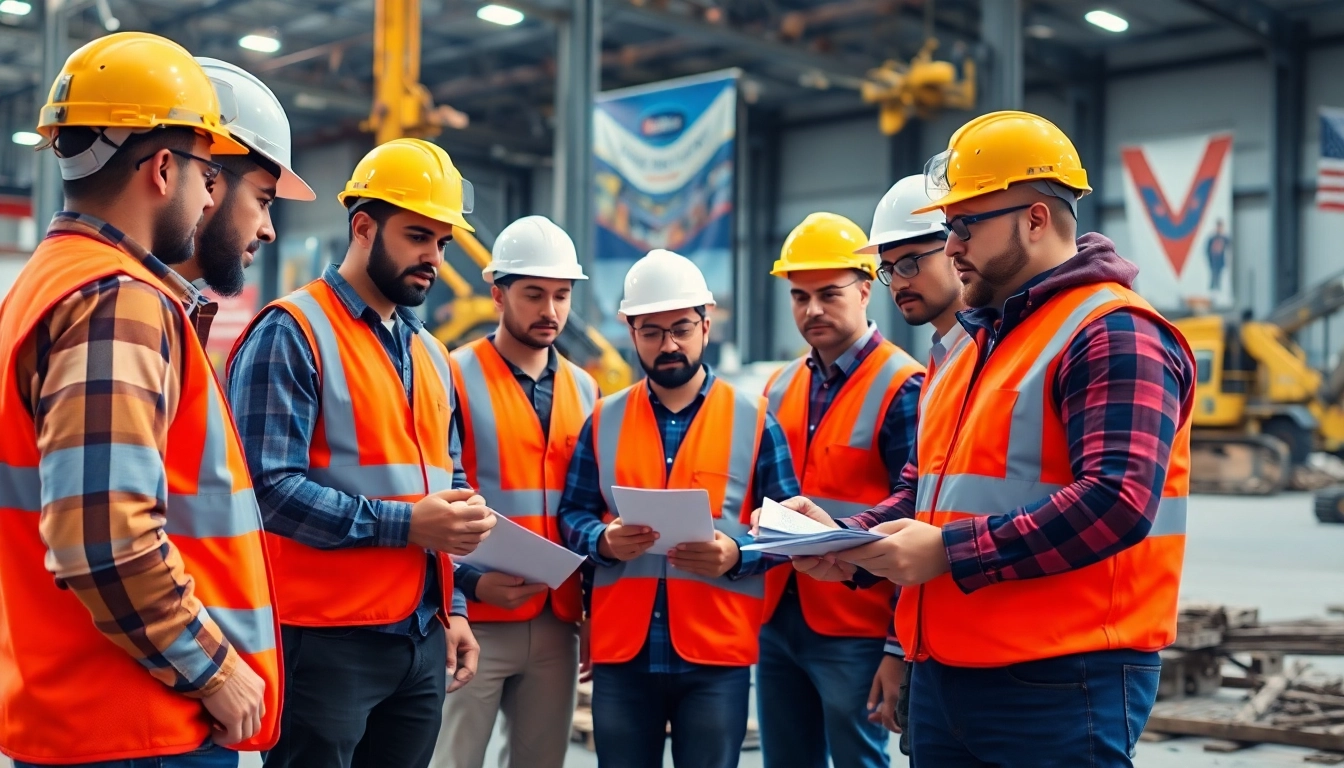
Understanding the Importance of Construction Safety Training
In the construction industry, safety is paramount. Every year, countless accidents occur on job sites, leading to injuries, fatalities, and significant financial losses. One of the most effective ways to mitigate these risks is through comprehensive construction safety training. This training equips workers with the necessary skills and knowledge to recognize hazards and implement safety measures effectively.
Overview of Safety Regulations
Construction safety regulations are established to protect the well-being of workers. These regulations vary by region but typically include guidelines outlined by organizations such as the Occupational Safety and Health Administration (OSHA). Compliance with safety regulations is not merely a legal obligation; it is an ethical responsibility to ensure workers return home safely at the end of the day.
Benefits of Safety Training for Workers
Implementing effective safety training provides numerous benefits for workers. Notably, it enhances their safety awareness, leading to a significant reduction in the likelihood of accidents. Furthermore, trained workers are typically more productive, as they spend less time dealing with the aftermath of potential injuries. This training also fosters a culture of safety, where workers feel empowered to speak up about hazards and can identify unsafe practices among their peers.
Consequences of Insufficient Training
Insufficient safety training can lead to dire consequences, not only for the workers but also for the organizations. The lack of proper training can result in employee injuries, which can lead to costly medical expenses, litigation, and increased insurance premiums. Moreover, an organization may face fines from regulatory bodies for failing to meet safety standards, which can significantly affect its financial stability and reputation.
Key Components of Effective Construction Safety Training
Identifying Common Hazards
One of the primary components of effective construction safety training is the identification of common hazards. This includes recognizing potential threats such as falls, electrocutions, being struck by objects, and getting caught in or between equipment. Training sessions should focus on teaching workers how to identify these hazards on-site, as well as their associated risks, to foster a proactive approach to safety.
Techniques for Engaging Training Sessions
Engaging training sessions are vital for effective learning and retention of safety concepts. Techniques such as interactive demonstrations, simulations, and group discussions can significantly enhance participation. Incorporating real-life examples and case studies into the training also helps to illustrate the importance of safety practices, making the training more relatable and impactful for participants.
Utilizing Technology in Training Programs
Looking ahead, technology plays an increasingly crucial role in construction safety training. Virtual reality (VR) and augmented reality (AR) are emerging tools that provide immersive training experiences, allowing workers to practice safety protocols in a controlled environment. Online platforms also allow for easy access to training materials and can facilitate remote learning opportunities for workers who may not be able to attend in-person sessions.
Implementing Construction Safety Training Programs
Steps to Develop a Training Plan
Developing a construction safety training plan involves several key steps. Firstly, it is essential to conduct a thorough assessment of the workplace to identify specific safety needs and risks. Once risks are identified, training objectives should be established, outlining what workers need to learn. Next, training materials and methods should be selected, and a timeline for training sessions should be established. Regular reviews and updates to the training plan ensure that it remains relevant and effective.
Best Practices for Facilitators
Facilitators play a critical role in the success of safety training programs. Qualified instructors should be knowledgeable and experienced in construction safety, and they should develop a rapport with participants to encourage open communication. Additionally, facilitators should tailor training sessions to the unique needs of the workforce, ensuring that the content is relatable and applicable. Providing ongoing support and resources can further reinforce training principles.
Measuring Training Effectiveness
Assessing the effectiveness of safety training is crucial to ensure that it meets its objectives. Organizations should implement measures such as pre- and post-training assessments to evaluate knowledge increases. Feedback surveys from participants can provide valuable insights into the training process, while on-site observations of safety practices can also indicate how well the training is being applied in real-world scenarios. Continuous monitoring and updating of training programs based on these assessments help to maintain high standards of safety in construction.
Industry-Specific Training Techniques
Residential vs. Commercial Construction Safety
While the foundational principles of construction safety remain constant, the specifics can differ greatly between residential and commercial construction. For instance, residential construction sites often involve smaller-scale operations with potentially less oversight, while commercial sites might require adherence to more complex regulations and larger teams. Training programs should reflect these differences, tailoring content to the nature of the work and the specific hazards involved in each type of construction.
Unique Challenges in Specialized Trades
Specialized trades, such as electrical, plumbing, or scaffolding work, come with unique challenges that necessitate targeted safety training. Workers in these fields may face specific hazards related to their trade, requiring a deeper understanding of specialized safety protocols. Tailored training for these groups ensures that they are well-equipped to handle the specific risks associated with their work environment, ultimately leading to safer outcomes on-site.
Case Studies of Successful Implementation
Examining case studies of successful implementation of safety training can provide valuable insights into best practices. Organizations that have invested in comprehensive training programs often see marked improvements in workplace safety, reduced incident rates, and enhanced employee morale. Such case studies highlight effective strategies, such as ongoing training, integration of technology, and adaptability to changing workplace conditions, serving as models for others pursuing effective safety initiatives.
FAQs About Construction Safety Training
What is construction safety training?
Construction safety training equips workers with knowledge and skills to prevent accidents on job sites.
How often should safety training be conducted?
Safety training should be conducted regularly, typically at least once a year or whenever new processes are introduced.
Who is required to undergo construction safety training?
All employees working on construction sites, including subcontractors, should undergo safety training.
What are the benefits of safety training programs?
Safety training programs reduce accidents, improve compliance, and foster a culture of safety among workers.
How can training effectiveness be evaluated?
Training effectiveness can be evaluated through assessments, feedback sessions, and observing safety improvements on-site.