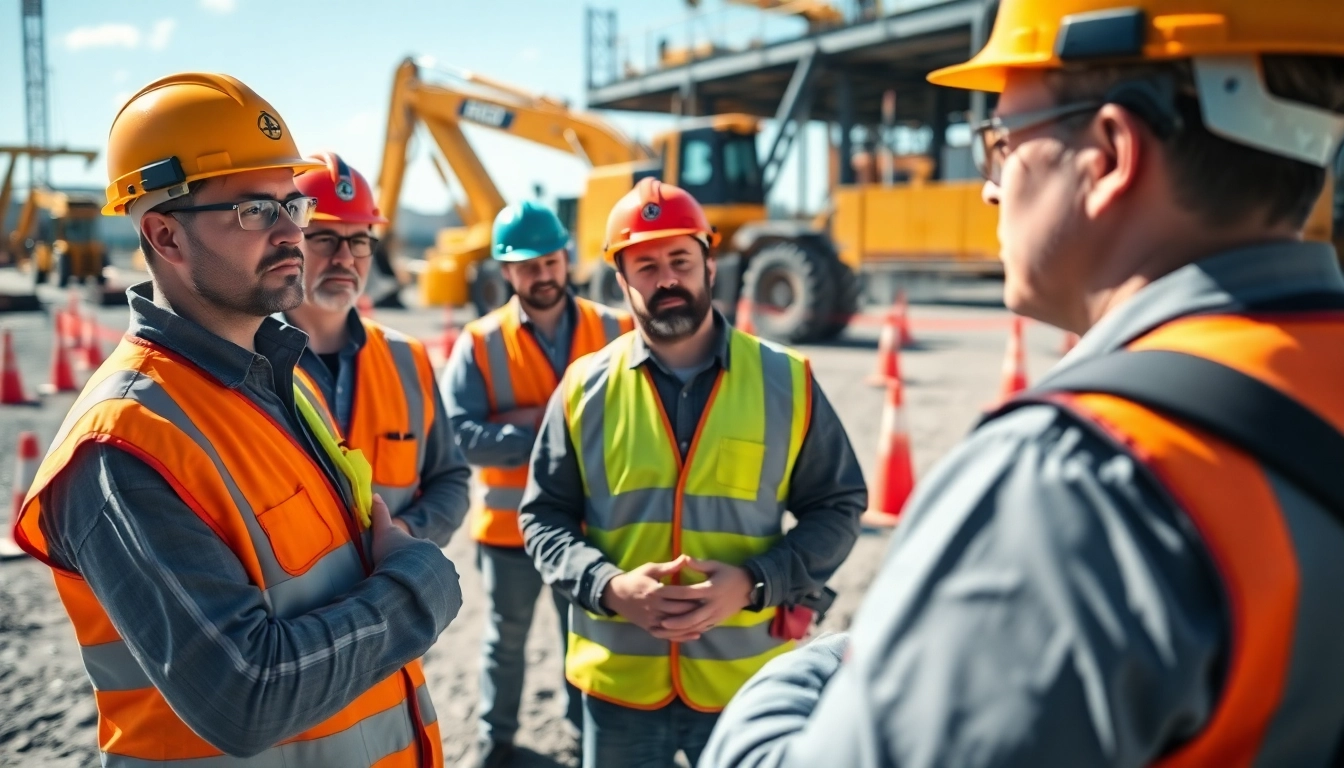
Understanding Construction Safety Training
What is construction safety training?
Construction safety training refers to a structured program designed to educate workers and employers about potential hazards on job sites, ensuring they understand safety protocols, best practices, and compliance with legal regulations. These training programs can encompass a wide array of topics, from personal protective equipment (PPE) use and emergency response plans to specific procedures for working at heights or with heavy machinery. The core goal is to foster a culture of safety and awareness that minimizes accidents, injuries, and fatalities on construction sites.
Importance of construction safety training in the industry
The construction industry is notorious for its high injury and fatality rates compared to other sectors. Effective construction safety training is crucial for several reasons:
- Regulatory Compliance: Training ensures that all safety protocols meet industry standards mandated by organizations such as OSHA.
- Risk Reduction: A well-informed workforce is less likely to engage in behaviors that can lead to accidents.
- Enhanced Productivity: Implementing safety measures minimizes downtime caused by accidents, leading to smoother workflow.
- Culture of Safety: Investing in training fosters a work environment where safety is prioritized, leading to higher morale and job satisfaction among workers.
Key components of effective construction safety training
An effective construction safety training program should include the following key components:
- Risk Assessment: Identifying hazards specific to the site and tasks being undertaken.
- Safety Equipment Training: Ensuring that workers are knowledgeable about the equipment necessary for their roles and how to use it safely.
- Emergency Preparedness: Developing plans for potential emergencies, including evacuation routes and procedures for dealing with injuries.
- Regular Refresher Courses: Safety training should not be a one-time event. Ongoing education keeps safety top of mind.
Regulations and Standards in Construction Safety
Overview of OSHA regulations affecting construction safety
The Occupational Safety and Health Administration (OSHA) sets forth regulations that outline the safety rights of employees and the responsibilities of employers. These regulations are vital in shaping training programs. Key aspects include:
- Provision of a safe workplace free from recognized hazards.
- Compliance with standards applicable to various types of construction work.
- Mandatory reporting and documentation of accidents and safety violations.
Compliance requirements for construction safety training
Employers must ensure training programs fulfill compliance requirements, including:
- Documentation: Keeping accurate training records for audits.
- Content Accessibility: Making sure training materials are understandable to all workers, accommodating different literacy levels and languages.
- Frequency: Training should occur regularly, based on job function and the level of risk involved.
How to stay updated on safety standards
Staying current with safety regulations can be challenging but is essential. Here are some strategies:
- Regular Industry Resource Updates: Subscribe to OSHA newsletters and safety organizations.
- Networking: Engage with other professionals in the industry to share insights and updates.
- Continuous Education: Attend workshops, webinars, and conferences focused on safety.
Designing an Effective Construction Safety Training Program
Steps to develop a comprehensive training program
A well-structured safety training program is critical for ensuring the safety of all personnel on site. The following steps illustrate how to create a comprehensive training program:
- Assess Training Needs: Assess the specific hazards at your job site to tailor the training content appropriately.
- Define Training Objectives: Set clear, measurable objectives for what the training should accomplish.
- Select the Appropriate Format: Decide on the combination of classroom, practical, and online learning methods.
- Implement the Program: Execute the training program and ensure participation from all employees.
- Conduct Evaluations: Regularly assess the effectiveness of the training and update materials as required.
Incorporating hands-on training techniques
Hands-on training techniques enhance the effectiveness of safety training. Here are some methods to consider:
- Simulated Scenarios: Create mock situations where employees must apply safety procedures.
- Job-Shadowing: Pair inexperienced workers with seasoned veterans to learn best practices in real-time.
- Workshops: Conduct workshops to demonstrate the proper use of tools and PPE.
Evaluating training effectiveness and areas for improvement
The success of a training program can be evaluated through various metrics. Key methods include:
- Feedback Surveys: Collect feedback from participants to identify areas for improvement.
- Incident Reports: Compare incident rates before and after training to assess impact.
- Training Assessments: Conduct assessments to ensure that knowledge is retained and applied.
Common Risks and Hazards in Construction
Identifying potential hazards on construction sites
Recognizing potential hazards is foundational to effective safety training. Common hazards include:
- Slips, Trips, and Falls: Frequently occurring due to uneven surfaces or misplaced tools.
- Electrocution: Risks associated with working near power lines or faulty wiring.
- Heavy Equipment Accidents: Injuries stemming from improper operation of machinery.
- Hazardous Materials: Risks from exposure to chemicals or respiratory hazards.
Practical strategies to mitigate construction hazards
To effectively reduce hazards on construction sites, consider implementing these practical strategies:
- Regular Site Inspections: Conduct daily inspections to identify and rectify hazards.
- Utilize Proper PPE: Ensure that all workers are equipped with and using the appropriate personal protective gear.
- Implement Safety Protocols: Create clear safety protocols and communicate them thoroughly to all employees.
Real-life examples of hazards and lessons learned
Real-life incidents can provide valuable insights into the importance of safety training. For example, a construction site may experience a near-miss incident with a crane. Investigating this incident could lead to improved training regarding crane operation and better communication practices. Lessons learned from past incidents help create stronger training programs and avoid repeating mistakes.
Measuring the Impact of Construction Safety Training
Key performance indicators for training success
To measure the success of safety training, establish key performance indicators (KPIs). These can include:
- Incident Rate: Tracking the number of accidents or near misses pre- and post-training.
- Training Completion Rates: Ensuring all employees complete required safety training.
- Employee Retention: Monitoring retention of safety training content over time.
Employee feedback and safety culture enhancement
Gathering employee feedback is critical for understanding the training's effectiveness. Feedback not only measures satisfaction, but it also highlights areas requiring improvement. An engaged workforce is a vital part of enhancing the safety culture, as employees feel more valued when their input shapes safety protocols.
Long-term benefits of investing in safety training
Investing in ongoing safety training yields numerous long-term benefits, including:
- Reduced Costs: Fewer accidents lead to lower insurance premiums and direct costs associated with injuries.
- Enhanced Reputation: Demonstrating a commitment to safety can improve relationships with clients and stakeholders.
- Increased Employee Satisfaction: A safe work environment helps retain talent and build loyalty.
FAQs
What topics should be included in construction safety training?
A comprehensive training program should include topics like hazard recognition, proper equipment use, PPE requirements, emergency procedures, and health risks associated with construction work.
How often should safety training be conducted?
Safety training should be conducted regularly, at least annually, and whenever there are new processes, equipment, or after an accident to reinforce safety protocols.
Who should provide construction safety training?
Training should be delivered by qualified professionals or safety consultants with experience in construction regulations and best practices.
Is hands-on training necessary?
Yes, hands-on training is essential as it allows workers to practice safety techniques and procedures in real-life scenarios, improving retention and confidence.
How can a company assess the effectiveness of its safety training?
Companies can use incident reports, employee feedback surveys, and assessment tests to evaluate training effectiveness and pinpoint areas for improvement.