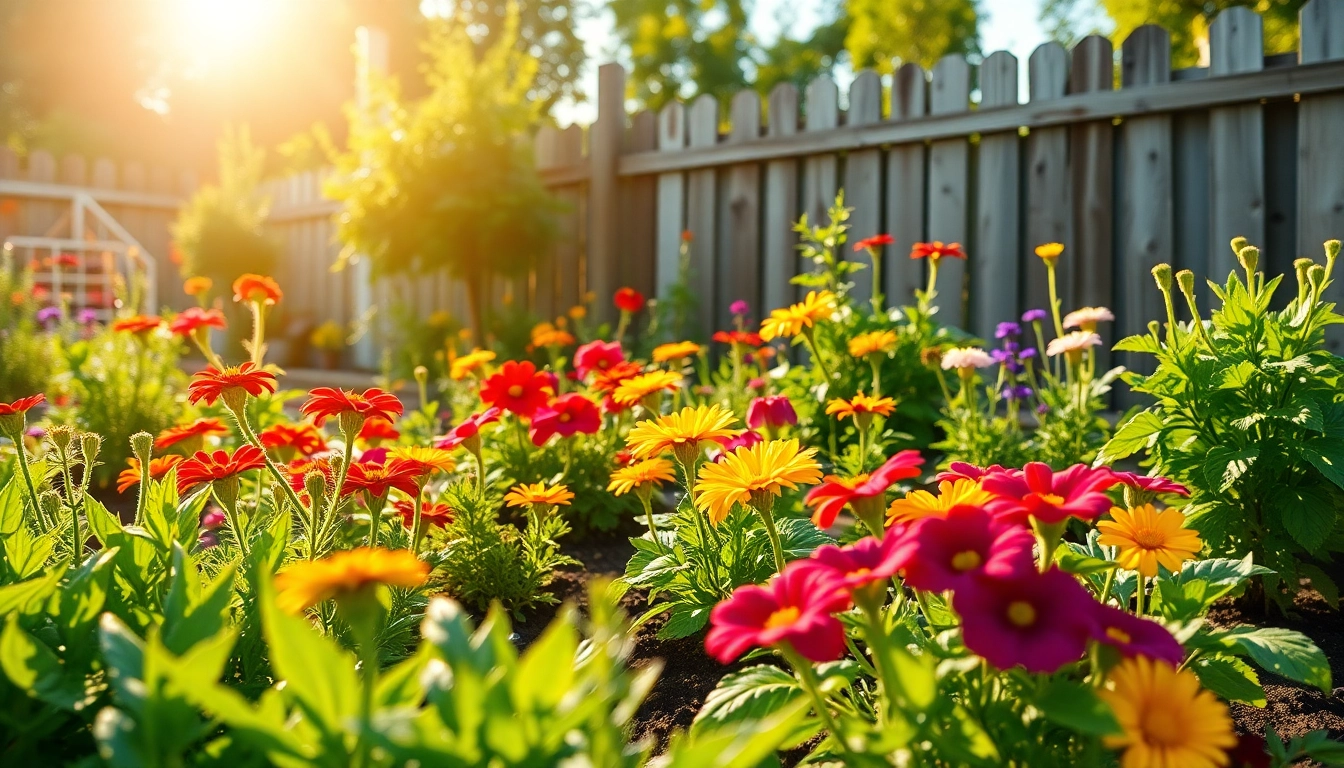
Getting Started with Gardening
Embarking on the journey of Gardening can be both exciting and intimidating, especially for beginners. However, understanding the basics can transform your gardening experience from a daunting task to a fulfilling endeavor. In this comprehensive guide, we'll cover essential aspects of gardening, from understanding your garden space to advanced gardening techniques, ensuring you have all the tools and knowledge to cultivate your green thumb effortlessly.
Understanding Your Garden Space
The first step in any successful gardening venture is knowing your garden space. Assessment involves evaluating sunlight exposure, wind patterns, and moisture levels, which directly influence plant growth.
Sunlight: Plants generally fall into three categories based on sunlight needs: full sun, partial shade, and full shade. A full-sun garden requires at least six hours of direct sunlight daily, while partial shade plants thrive with only four to six hours. Knowing the sunlight exposure of your space helps you choose the right plants.
Soil Composition: Conduct a soil test to understand its pH, nutrient levels, and texture. Most vegetables require a pH between 6.0 and 7.0 for optimal growth. Understanding your soil composition allows you to make improvements, like adding organic matter or using fertilizers to ensure a nutrient-rich environment for your plants.
Essential Gardening Tools
Equipping yourself with the right tools is crucial for effective gardening. Here are some must-have tools:
- Hand trowel: Ideal for digging small holes and transplanting seedlings.
- Pruners: Useful for trimming and shaping plants, encouraging healthy growth.
- Garden gloves: Protect your hands from thorns and dirt.
- Rake: Essential for leveling soil and clearing debris from the garden.
- Watering can or hose: Ensures your plants receive adequate hydration.
Choosing the Right Plants for Your Region
Selecting plants that thrive in your local climate is essential. Research native plants or consult local gardening guides for recommendations. Native species generally require less maintenance and are more pest-resistant.
Consider seasonal varieties that produce at different times throughout the year, ensuring your garden remains vibrant and productive year-round.
Soil Preparation and Planting Techniques
Your gardening success largely hinges on soil quality and effective planting techniques. Here's how to prepare your garden bed and the best methods for planting various vegetables.
Importance of Soil Quality
Healthy soil is the backbone of a successful garden. Good soil should contain organic matter, minerals, and microorganisms, ensuring an ideal growing environment for plants. Consider the following steps to enhance your soil:
- Amend with organic matter: Adding compost, well-rotted manure, or peat moss improves soil structure and nutrient content.
- Testing soil: Regular soil tests help monitor nutrient levels and pH, allowing you to make informed amendments.
- Mulching: Applying a layer of mulch helps retain moisture and suppress weeds, contributing to soil health.
How to Prepare Your Garden Bed
Preparing a garden bed is a straightforward process:
- Clear the area: Remove any weeds, rocks, or debris from the selected garden space.
- Till the soil: Use a garden fork or tiller to break up the soil to a depth of at least 12 inches.
- Add organic matter: Mix in compost or aged manure to enhance nutrient availability.
- Smooth the bed: Level the bed with a rake to create a flat surface for planting.
Effective Planting Methods for Different Vegetables
Different plants require unique planting techniques. Here are some effective methods:
- Row planting: Ideal for larger crops like carrots and corn—space seeds in defined rows for easy access and care.
- Transplanting: Starting seedlings indoors allows you to get a jump on the growing season. Transplant outdoors after the last frost.
- Square foot gardening: A more organized method that maximizes space, planting different crops in a small area based on their growth habits.
Caring for Your Garden
Maintaining your garden requires consistent effort and knowledge. Adequate care involves regular watering, effective pest management, and ensuring long-term soil health.
Watering Techniques for Healthy Growth
Proper watering is crucial; too little or too much can harm your plants. Here are best practices for effective watering:
- Deep watering: Water deeply and infrequently to encourage deep root growth.
- Timing: Water in the early morning or late afternoon to minimize evaporation.
- Using drip irrigation: This effective method delivers water directly to the roots, conserving water and promoting healthy growth.
Pest Management Strategies
Protecting your plants from pests is essential for a thriving garden. Implement these strategies:
- Crop rotation: Change crop locations each year to disrupt pest life cycles.
- Natural predators: Introduce beneficial insects like ladybugs that prey on common pests such as aphids.
- Organic pesticides: Use organic solutions as a last resort to minimize harmful effects on the ecosystem.
Maintaining Soil Health Over Time
Long-term soil maintenance is vital for a flourishing garden:
- Continuous composting: Regularly adding organic materials keeps soil fertile.
- Cover cropping: Planting cover crops during the off-season helps prevent soil erosion and replenishes nutrients.
- Avoiding compacting: Limit foot traffic in garden beds to prevent soil compaction that inhibits root growth.
Seasonal Gardening Practices
Gardening changes with the seasons, and adapting your practices for spring, summer, fall, and winter is essential for continuous success.
Spring Planting Tips
Spring is the season for new growth, and there are several planting strategies to keep in mind:
- Seed selection: Choose early-blooming varieties that can withstand cooler temperatures.
- Soil warming: Use plastic covers or row covers to warm the soil for early planting.
- Direct sowing: Some plants, like peas and radishes, thrive when sown directly into the ground.
Summer Garden Maintenance Strategies
Maintaining your garden during the warm summer months requires diligence:
- Frequent watering: With higher temperatures, your garden may require more frequent watering.
- Weed control: Regularly check for weeds and remove them to prevent competition for resources.
- Mulching: This helps retain moisture and cool the soil for optimal plant growth.
Preparing Your Garden for Fall and Winter
As summer ends, it's essential to prepare your garden for the colder months:
- Harvesting: Ensure to harvest crops before the first frost; this may include root vegetables and late-season fruits.
- Cleaning up: Remove any dead plants or debris to prevent pests and diseases over winter.
- Soil amendment: Add nutrients to the soil for next season, preparing the bed with compost or organic matter.
Advanced Gardening Techniques
For seasoned gardeners or those looking to enhance their skills, exploring advanced gardening techniques can yield excellent results.
Companion Planting for Better Yields
Companion planting involves growing different plants together for mutual benefits:
- Enhancing growth: Certain plants can promote each other's growth. For example, planting basil near tomatoes can improve flavor and deter pests.
- Disease deterrence: Marigolds are known to deter nematodes, making them a beneficial companion for various vegetables.
Using Organic Gardening Practices
Organic gardening emphasizes using natural methods rather than chemicals:
- Natural fertilizers: Compost and organic matter provide necessary nutrients without synthetic additives.
- Pest management: Using traps, barriers, and natural insecticides fosters a healthier garden environment.
Experimenting with Unique Plant Varieties
Gardening provides an opportunity to try new things:
- Heirloom seeds: Consider growing heirloom varieties that offer unique flavors and appearances.
- Exotic plants: Incorporating unusual plants can add variety to your garden and intrigue to your harvest.
In conclusion, gardening is a rewarding and fulfilling endeavor that includes understanding your environment, effective planting strategies, and continuous care. Whether you are just starting or looking to refine your skills, these tips and techniques can provide the foundation needed to cultivate a vibrant and productive garden. With patience and practice, you can develop your green thumb and enjoy the multitude of benefits that gardening offers.