Understanding Electrical Fire Extinguishers
In today's technology-driven world, the threat of electrical fires is ever-present, making the knowledge about the right safety measures more crucial than ever. An electrical fire extinguisher is a vital tool in combating these dangerous fires that can start from faulty wiring, overloaded circuits, or malfunctioning appliances. Understanding the working mechanism, types, standards, and maintenance of these extinguishers is essential for effective fire safety management.
What is an Electrical Fire Extinguisher?
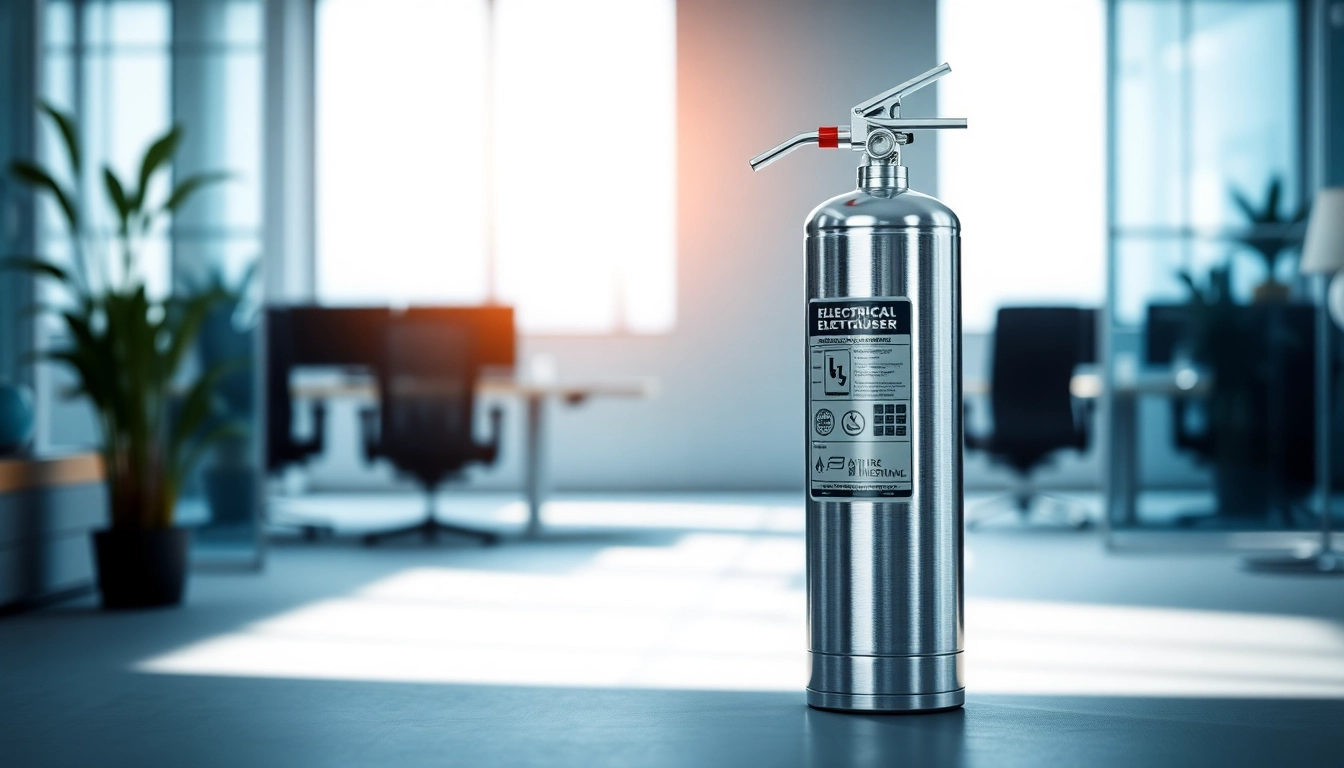
An electrical fire extinguisher is specifically designed to combat fires caused by electrical equipment. These extinguishers use non-conductive agents that can effectively put out flammable materials without conducting electricity and creating further hazards. The types of extinguishing agents used in these extinguishers include dry chemicals, carbon dioxide, and foam, each with distinct applications and effectiveness.
How Does an Electrical Fire Extinguisher Work?
Electrical fire extinguishers operate by discharging a specially formulated agent that effectively suppresses flames while preventing potential electrical shock. For instance, dry chemical extinguishers form a barrier between the fuel and the oxygen, interrupting the combustion process. Carbon dioxide, on the other hand, displaces oxygen in the fire, effectively smothering it. It is crucial to select an extinguisher designed and rated specifically for electrical fires, typically indicated by an 'E' in their classification.
Safety Standards for Electrical Fire Extinguishers
In maintaining safety standards, electrical fire extinguishers must comply with guidelines set by various regulatory bodies, including the National Fire Protection Association (NFPA). These standards encompass design, performance, and labeling requirements ensuring that an extinguisher can handle electrical fires safely. Regular inspections and certifications through these bodies ensure the reliability of these devices when emergencies arise.
Types of Electrical Fire Extinguishers
Differentiating Water, Foam, and Dry Chemical Extinguishers
Understanding the types of extinguishers is essential for effective fire management. Not all extinguishers are suitable for electrical fires:
- Water Extinguishers: Not to be used on electrical fires. Water conducts electricity and can pose a significant risk of shock.
- Foam Extinguishers: Suitable for flammable liquid fires but should not be used on live electrical equipment unless specifically rated for it.
- Dry Chemical Extinguishers: Primarily rated for electrical fires (Class C), using non-conductive materials to put out the flames.
Choosing the Right Type for Your Needs
Choosing the appropriate electrical fire extinguisher depends on the environment and the potential sources of ignition. Areas with heavy electrical use should have Class C extinguishers readily available. Additionally, consider factors such as the volume of electrical equipment, nature of materials present, and potential fire sources when making your selection.
Common Misconceptions About Extinguisher Types
Many people believe that all fire extinguishers are created equal. One common myth is that using water extinguishers on electrical fires is safe if the equipment is unplugged. This is misleading; even a residual current can pose a risk of electrical shock. Understanding these misconceptions is key to ensuring proper fire safety practices.
Installation and Maintenance Best Practices
Where to Install Your Electrical Fire Extinguisher
Placement of fire extinguishers is crucial for safety and accessibility. Electrical fire extinguishers should be placed in areas where electrical hazards are prevalent, such as server rooms, workshops, and basements. The NFPA recommends that extinguishers be located within 30 feet of potential hazards and be easily visible and reachable in an emergency.
Routine Maintenance Checks You Should Perform
Regular maintenance and inspections are essential for ensuring that fire extinguishers remain operational. Check for physical damage, ensure the pressure gauge is in the green zone, and confirm that the pin is intact and the nozzle is clear. Annual professional inspections are also recommended to maintain compliance with safety standards.
Handling Expired Fire Extinguishers
Expired fire extinguishers should be reported and replaced immediately. Using an expired extinguisher can be detrimental in an emergency, as it may fail to operate as intended. Make a routine check of the expiration dates on extinguishers and develop a schedule for replacing them regularly to guarantee safety compliance.
Regulatory Compliance and Guidelines
Understanding NFPA Standards
The NFPA provides critical guidelines for fire extinguisher usage, maintenance, and installation. Their standards outline specifications for the products that fire extinguishers should meet, assisting individuals and businesses in selecting the right products for their environments. The NFPA also stipulates requirements for training employees on how to use these extinguishers effectively.
State Regulations for Fire Extinguisher Compliance
In addition to NFPA standards, state regulations further define administrative procedures, maintenance schedules, and compliance certificates. It's essential to stay updated on any state-specific regulations that may affect your business or personal safety plan relating to electrical fire extinguishers.
Importance of Regular Training and Drills
Training employees on the proper use of electrical fire extinguishers can drastically improve response times during an emergency. Conducting regular fire drills familiarizes individuals with evacuation procedures and the process for using extinguishers. This preparedness services both employee safety and enhances overall fire response readiness.
Responding to Electrical Fires: Effective Strategies
Steps to Take During an Electrical Fire Emergency
In the event of an electrical fire, quick action is paramount. First, assess the situation; if the fire is manageable, ensure that everyone else is safe and use the appropriate extinguisher. If the flames spread rapidly or the situation becomes uncontrollable, evacuate immediately and contact emergency services.
How to Properly Use an Electrical Fire Extinguisher
Using an electrical fire extinguisher effectively relies on understanding the PASS method:
- P: Pull the pin.
- A: Aim the nozzle at the base of the fire.
- S: Squeeze the handle to discharge the agent.
- S: Sweep the nozzle from side to side until the fire is out.
Ensure that you're standing a safe distance away while using the extinguisher, gradually moving closer as the flames decrease.
Best Practices for Emergency Evacuation
Evacuation procedures should be clearly marked and regularly practiced. During an emergency, announce the evacuation calmly and ensure that designated exits are clear. It's important to follow established evacuation routes and not use elevators during a fire event to avoid potential hazards.
Frequently Asked Questions
What is the best type of extinguisher for electrical fires?
The best type of extinguisher for electrical fires is a dry chemical extinguisher, often classified as Class C, which effectively extinguishes electrical fires without conducting electricity.
How often should fire extinguishers be inspected?
Fire extinguishers should be inspected monthly by the facility's designated person and undergo a professional inspection annually to comply with safety standards.
Can I use water to extinguish an electrical fire?
No, using water to extinguish an electrical fire is extremely dangerous, as water conducts electricity, posing a severe risk of shock.
What should I do if my fire extinguisher is expired?
If your fire extinguisher is expired, remove it from service and replace it as soon as possible to ensure it will operate effectively in an emergency.
How can I prevent electrical fires at home?
To prevent electrical fires, check wiring regularly, avoid overloading circuits, keep combustibles away from heat sources, and replace damaged electrical devices promptly.