Understanding Metal Roofing
What is Metal Roofing?
Metal roofing is a durable roofing option comprising metal sheets or tiles. It's known for its ability to withstand harsh weather conditions and long lifecycle. Metal roofing is made from a range of materials, including steel, aluminum, and zinc, which can be shaped into various styles and finishes, enhancing both resilience and aesthetic appeal. This roofing type is often favored for its energy efficiency and eco-friendliness, making it a sustainable choice for modern construction projects.
History and Evolution of Metal Roofing
The use of metal in roofing dates back centuries, initially emerging as a roofing solution in ancient Egypt with the usage of copper. Over time, materials and techniques evolved, particularly with the industrial revolution when steel and aluminum became more accessible. By the mid-20th century, advances in technology allowed for improved coatings and finishes, greatly enhancing the lifespan and versatility of metal roofs. Today, metal roofing has seen a surge in popularity not only in residential but also commercial applications, reflecting ongoing innovation in designs and materials.
Advantages of Metal Roofing Over Traditional Options
Metal roofing offers several advantages over traditional materials such as asphalt shingles and tiles. These include:
- Durability: Metal roofs can resist extreme weather, including high winds, hail, and heavy snowfall.
- Longevity: With proper maintenance, a metal roof can last 40-70 years, far exceeding the average lifespan of traditional roofs.
- Energy Efficiency: Metal roofing reflects heat, which can reduce cooling costs significantly during hotter months.
- Low Maintenance: Metal roofs require minimal upkeep compared to shingles that often need replacing after a decade.
- Environmental Benefits: Many metal roofs are made from recycled materials and are themselves recyclable, making them an eco-friendly choice.
Types of Metal Roofing Materials
Common Materials for Metal Roofing
Several types of metals are commonly used for roofing, each with unique properties:
- Steel: The most popular choice, often coated with zinc (galvanized) or a zinc-aluminum alloy (galvalume) for corrosion resistance.
- Aluminum: Lightweight and resistant to rust, making it ideal for coastal environments where corrosion is a concern.
- Copper: Known for its aesthetic appeal and malleability; it changes color over time, adding to its character.
- Zinc: Similar to copper, zinc develops a protective patina that protects it from corrosion.
- Stainless Steel: Offers superior corrosion resistance and durability, often used in commercial applications.
Comparing Metal Roofing Materials
When selecting a metal roofing material, the critical factors to consider include:
- Cost: Steel is typically the most economical option, while copper and stainless steel are more expensive due to their aesthetics and durability.
- Weight: Aluminum is lighter than steel, which can be advantageous for structural loads.
- Longevity: While all metal roofs are durable, copper and zinc have the highest lifespan, often lasting over 100 years.
- Maintenance: Steel may require periodic painting, whereas aluminum and zinc are low maintenance and often self-protecting.
Best Uses for Each Type of Metal Roofing
Different types of metal roofing are suitable for various applications:
- Steel: Great for residential and commercial buildings due to affordability and strength.
- Aluminum: Ideal for coastal areas where corrosion is a concern.
- Copper: Used in historical restorations and high-end architectural projects due to its unique appearance.
- Zinc: Perfect for eco-friendly builds and structures that require sustainable materials.
- Stainless Steel: Common in commercial designs, especially for roofs exposed to extreme conditions.
Installation Process of Metal Roofing
Preparing Your Roof for Metal Installation
Preparing your roof for metal roofing installation is crucial for optimum performance. Start by ensuring that the underlying structure (decking) is solid, clean, and free of damage. If replacing an old roof, removing existing materials may be necessary—check for mold, decay, or rot in the rafters. Additionally, ensure that proper insulation and ventilation are in place to maximize energy efficiency and prolong roof life.
The Steps in Metal Roofing Installation
The installation of metal roofing typically involves these steps:
- Measure: Accurately measure and purchase sufficient materials.
- Install Underlayment: Lay down a waterproof underlayment over the roof deck to serve as an additional layer of protection.
- Attach Flashing: Install flashing around chimneys, vents, and edges to prevent water intrusion.
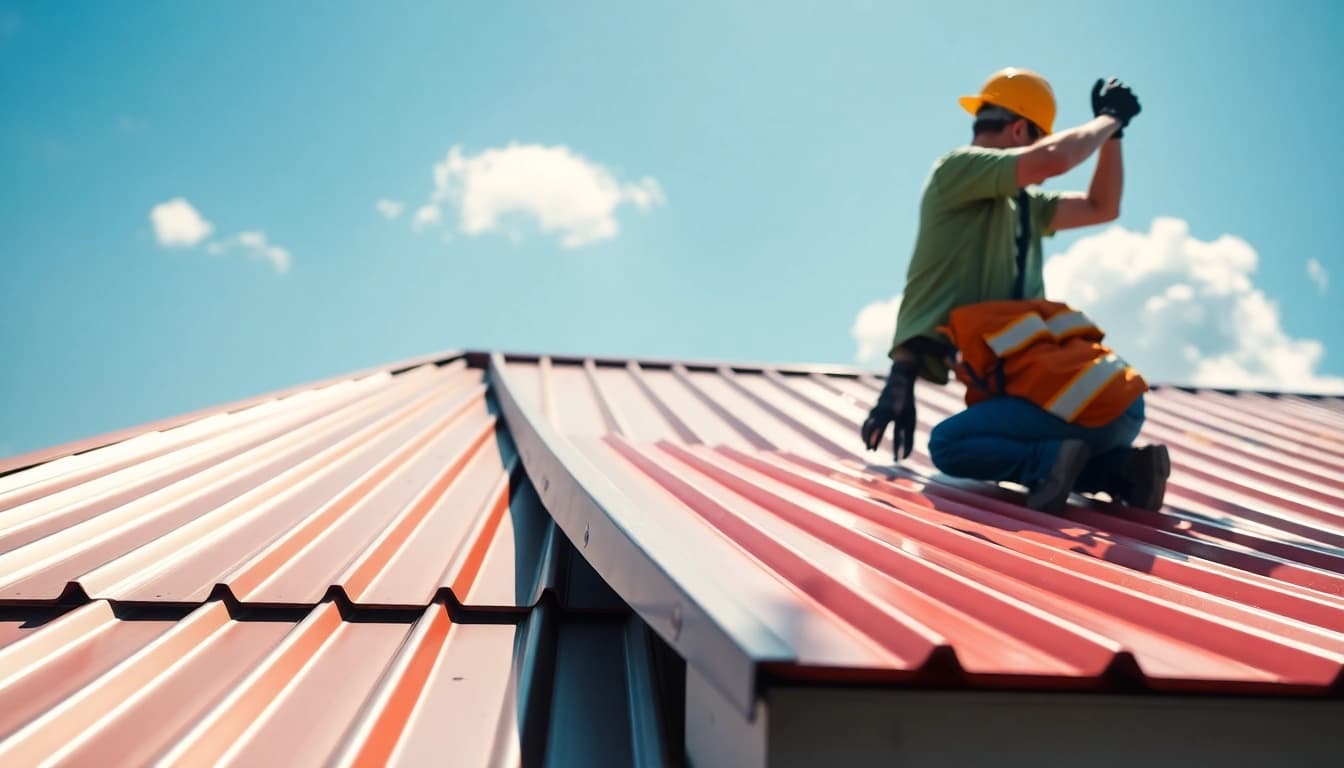
- Install Metal Panels: Begin laying the metal panels from the bottom edge upwards, ensuring proper overlap.
- Secure Panels: Fasten panels using screws or clips, ensuring they are appropriately sealed and aligned.
- Final Touches: Inspect the roof, ensuring all fasteners are tightened and all flashing is correctly positioned.
Key Considerations During Installation
Successful installation requires careful attention to detail:
- Weather Conditions: Avoid installation during rainy or windy days to ensure safety and effective sealing.
- Compatibility: Ensure your chosen metal roofing system is compatible with existing structures and materials.
- Local Building Codes: Check for and adhere to local building codes and regulations regarding roofing materials.
- Professional Help: Consider hiring a professional installer if you lack experience, as improper installation can lead to issues like leaks and damage.
Maintenance Tips for Metal Roofing
How to Maintain Your Metal Roof
Metal roofs are low-maintenance, but regular checks can prolong their lifespan. Here are some tips for maintenance:
- Clean gutters and downspouts to prevent water backup.
- Inspect for rust, especially in areas where panels overlap or are scratched.
- Check for loose or missing fasteners and retighten or replace as needed.
- Remove debris that may collect on the roof, such as leaves and branches.
- Consider applying a protective coating to enhance longevity.
Signs Your Metal Roofing Needs Repair
Be on the lookout for these indicators of potential issues:
- Visible rust or corrosion on panels.
- Pooling water indicating drainage problems.
- Loose or missing tiles or panels.
- Water stains on ceilings or walls inside the home.
- Creasing or buckling in the roof material.
Seasonal Maintenance Checklist
Seasonal maintenance helps to address issues before they become severe. Here is a checklist you can follow:
- Spring: Inspect for any winter damage and clean the roof surface.
- Summer: Check for rust formation due to hot weather.
- Fall: Clear leaves and debris before heavy rains.
- Winter: Monitor snow loads and ensure drainage pathways are clear.
Cost and Value of Metal Roofing
Estimating the Cost of Metal Roofing
The cost of installing a metal roof varies based on several factors, including material choice, roof size, and complexity of installation. Generally, metal roofing can cost anywhere from $4 to $30 per square foot, depending on the specific metal used. Premium options such as copper or standing seam types will be more expensive than standard steel panels. When budgeting, also consider potential additional costs for underlayment, fasteners, and professional installation if required.
Long-Term Benefits and Savings
Investing in a metal roof may have significant long-term benefits, including:
- Energy Savings: Metal roofs often reduce cooling costs by reflecting heat.
- Low Insurance Premiums: Some insurance companies offer discounts for metal roofs due to their durability.
- Tax Benefits: Some areas provide tax credits for installing energy-efficient materials, including metal roofing.
- Increased Home Value: High-quality metal roofs can increase property resale value due to their longevity and aesthetic appeal.
Average Lifespan of Metal Roofing Compared to Other Materials
The average lifespan of various roofing materials reflects their durability and maintenance requirements. A typical asphalt shingle roof lasts about 15-30 years, while tile roofs can last 50 years. In contrast, metal roofs generally last 40-70 years, and some materials, like copper and zinc, can exceed 100 years with proper care. This long lifespan makes metal roofing an excellent option for homeowners looking to minimize the frequency and cost of roof replacements.
Frequently Asked Questions
1. Is it cheaper to do a metal roof or shingles?
Metal roofing can be more expensive than asphalt shingles during installation, typically costing between $4 to $30 per square foot depending on the metal type. However, it offers better durability and energy efficiency over time.
2. How does metal roofing perform in extreme weather?
Metal roofing excels in extreme weather conditions, being highly resistant to wind, heavy rain, and snow. It shed snow easily and prevents ice damming, making it ideal for snowy regions.
3. Can metal roofing be installed over existing shingles?
Yes, metal roofing can often be installed over existing shingles. However, it's essential to check local building codes and ensure that the underlying structure can support the added weight.
4. What maintenance does a metal roof require?
Metal roofs require minimal maintenance, including periodic inspections for rust and corrosion, cleaning gutters, and clearing debris. Regular upkeep helps maximize their lifespan.
5. How energy-efficient is metal roofing?
Metal roofing can significantly enhance energy efficiency. It reflects solar radiant heat, which can reduce cooling costs, particularly in warmer climates, making it a sustainable roofing option.