The Importance of Smog Check
It’s no secret that vehicles are a primary source of air pollution in many urban areas. As a result, regular emissions testing has become crucial not only for ensuring compliance with environmental regulations but also for contributing to cleaner air. One of the most significant ways structures ensure this is through the Smog Check. This process verifies whether a vehicle meets established emissions standards, thereby playing a significant role in protecting our environment and public health.
Understanding Smog Check Purpose
The primary purpose of a smog check is to assess a vehicle's emissions system to ensure it operates within the legal limits set by state and federal regulations. These checks are generally required every two years or upon the sale of a used vehicle, depending on local laws. They are designed not only to maintain air quality standards but also to improve the overall performance and lifespan of a vehicle. A well-maintained vehicle not only produces fewer emissions but also tends to operate more efficiently, saving the owner money in the long run.
Environmental Impact of Vehicle Emissions
Vehicle emissions contribute to numerous environmental issues, including smog formation, acid rain, and climate change. The contaminants emitted by vehicles—such as carbon monoxide, nitrogen oxides, particulate matter, and hydrocarbons—can have serious effects on both health and ecosystems. High levels of pollution in urban areas can lead to increased respiratory issues, cardiovascular diseases, and adverse effects on wildlife. By conducting regular smog checks, we can identify and remediate vehicles that produce excessive emissions, thereby taking a vital step towards promoting healthier air quality and protecting the environment.
Legal Requirements for Smog Checks
In many regions, smog checks are mandated by law, with specific requirements varying from state to state. These regulations often evolve based on environmental policies aiming to reduce pollution levels. It's essential for vehicle owners to familiarize themselves with their local laws regarding smog checks, including their frequency and any exceptions that may apply to certain vehicles, such as electric or hybrid models. Ultimately, complying with these regulations is not only a legal obligation but an ethical commitment to promoting environmental sustainability.
Preparing for a Smog Check
Preparation for a smog check involves understanding the requirements and taking proactive steps to ensure your vehicle is ready for testing. Here, we will outline the necessary preparations, critical documents needed, and necessary vehicle maintenance tips to enhance compliance with emissions standards.
Required Documents for Smog Check
Before heading to a smog check station, make sure you have all required documents. These typically include:
- Vehicle registration: shows that your vehicle is legally registered.
- Proof of insurance: verifies that the vehicle is insured, as required by law.
- Previous smog check results: if applicable, having previous records can help technicians identify repeat issues.
Having these documents will streamline the smog check process, ensuring efficient testing and compliance.
Pre-Check Vehicle Maintenance Tips
Proper vehicle maintenance can significantly affect the outcomes of a smog check. Here are some tips to ensure that your vehicle is in optimal condition:
- Check the O2 sensors: A faulty oxygen sensor can lead to increased emissions. Regular checks can prevent unnecessary failures.
- Inspect the exhaust system: Look for leaks and ensure components are in good condition. A well-functioning system is crucial for emissions control.
- Change the oil regularly: Dirty oil can affect engine performance and emissions. Regular oil changes can improve overall fuel efficiency.
- Ensure proper tire pressure: Incorrect tire pressure can reduce fuel efficiency and increase emissions.
By investing time in regular vehicle maintenance, you can avoid failing a smog check and ensure your vehicle runs smoothly.
Costs Associated with Smog Check
The cost of a smog check can vary depending on the location and specific requirements of the test; however, most areas have set standards for what can be charged. In general, the following factors can influence smog check costs:
- Type of vehicle: Different vehicles may require different tests, which can affect pricing.
- Location: Costs may vary based on state regulations and the particular smog check station's pricing structure.
- Additional repairs: If your vehicle fails the smog check, you may incur additional costs for repairs needed to pass.
It’s advisable to budget for this testing not only for the direct costs but also for any follow-up adjustments that may be required for compliance.
The Smog Check Process Explained
Understanding the smog check process is integral to ensuring a smooth and successful experience. This section will cover everything from what to expect during the check to the different types of evaluations available.
What to Expect During a Smog Check
When you arrive for your smog check, you should expect the following steps:
- Pre-inspection Routines: Technicians may inspect your vehicle’s basic functions to ensure proper operation before conducting an emissions test.
- Emissions Testing: Most tests analyze the exhaust fumes to check for emissions levels, and will typically include a tailpipe test and canister purge test.
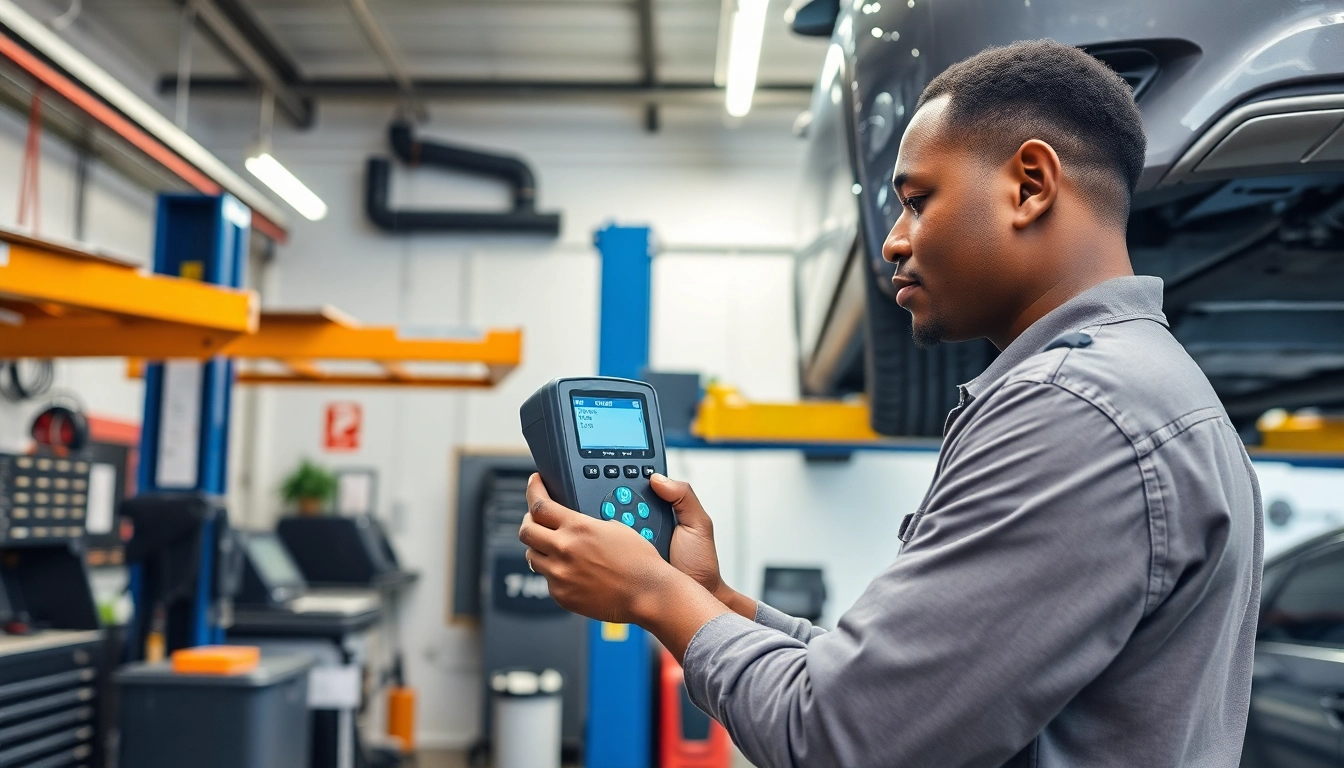
- Diagnostic Testing: If emissions are too high, a diagnostic test may be performed to identify the malfunctioning parts of the emissions system.
Each of these steps is crucial for accurately assessing your vehicle’s emissions compliance, ensuring that every vehicle both runs efficiently and adheres to environmental standards.
Different Types of Smog Checks
There are generally two types of smog checks: visual inspections and emissions tests. Visual inspections consist of checking for the presence of key emissions components, while emissions tests measure the actual emissions levels produced during operation. Additionally, some states utilize On-Board Diagnostics (OBD) checks that assess whether the emissions system is functioning correctly by examining the vehicle’s electronic systems. Understanding what type of check applies to your vehicle will help clarify expectations when heading into a smog test.
How Long Does a Smog Check Take?
The duration of a smog check can vary widely based on several factors, including the type of vehicle and the type of inspection being performed. Generally, the entire process takes anywhere from 20 to 45 minutes. However, it’s wise to allow for some flexibility as wait times can also depend on the number of other customers waiting. Proper planning can help mitigate any scheduling conflicts that arise due to unexpected delays during the smog check.
Common Issues Detected in a Smog Check
Understanding common issues that can lead to a failed smog check is vital for proactive vehicle maintenance. Here we explore typical problems detected and some actions you can take to address them.
Identifying Emission System Problems
Several problems can lead to increased emissions and may result in failing a smog check:
- Faulty oxygen sensors: These sensors are responsible for measuring the amount of oxygen in exhaust gases. A malfunction can severely affect emissions control.
- Dirty air filters: Clogged filters can restrict airflow, affecting combustion efficiency and leading to increased pollution.
- Exhaust leaks: These can skew emissions test results and may indicate other performance problems within the vehicle.
Being proactive in identifying and resolving these issues can greatly improve your chances of passing the smog check on the first attempt.
Addressing Failed Smog Check Outcomes
If a vehicle fails a smog check, it’s essential to understand the next steps:
- Receive the results: The smog check will come with a report detailing the specific areas where your vehicle did not comply.
- Consult a mechanic: Taking the report to a qualified technician can help in diagnosing and fixing the highlighted issues.
- Perform the necessary repairs: Addressing the identified problems is critical to improving your vehicle’s emissions standards.
- Retest: Many regions provide the option for a free or low-cost retest once the required repairs have been executed.
This process emphasizes the importance of timely repairs in maintaining compliance and protecting the environment.
Preventive Tips for Better Performance
Maintaining optimal vehicle performance can prevent potential issues during smog checks:
- Regularly service your vehicle: Consistent maintenance, including oil changes and fluid checks, ensures optimal function.
- Use high-quality fuel: Fuel with lower emissions leads to reduced pollutants being released into the atmosphere.
- Stay informed: Keep up to date with regulations varying from state to state, as changes could affect your vehicle’s requirements.
By adopting preventive strategies, vehicle owners can enhance their vehicle's performance and reliability.
After the Smog Check: Next Steps
Once the smog check is complete, understanding the next steps is crucial. This section will offer guidance on how to read your smog check report, when to schedule follow-ups, and the advantages of regular smog checks.
Understanding Your Smog Check Report
The smog check report will typically include various important information:
- Test results: Indicates whether the vehicle passed or failed and highlights the specific emissions levels recorded during the test.
- Recommendations: Any necessary repairs or actions that should be taken based on the results.
- Expiration date: Indicates when the next smog check will be required.
Understanding these components can empower vehicle owners to take action and remain compliant with local regulations.
When to Schedule Follow-Up Checks
Follow-up checks after repairs are necessary to ensure compliance with emissions standards. It's advisable to consider the following:
- Time frame: Schedule a follow-up as soon as repairs are completed to avoid any potential fines for expired emissions compliance.
- Condition of the vehicle: If the vehicle’s performance appears to be affected before reaching the scheduled check, an earlier follow-up may be warranted.
Proactive scheduling can prevent complications and maintain compliance with local regulations.
Benefits of Regular Smog Checks
Regular smog checks offer numerous benefits beyond compliance:
- Enhanced vehicle performance: Regular maintenance leads to a more efficient and longer-lasting vehicle.
- Cost savings: Saving on costly repairs can be achieved with a proactive maintenance schedule.
- Environmental compliance: By passing smog checks, vehicle owners contribute to the reduction of environmental pollution and enhance air quality.
Establishing a routine for smog checks fosters responsible vehicle ownership and supports the collective effort for cleaner air.