Understanding the Allure of Morocco Travel
Morocco is a country characterized by its vibrant tapestry of history, culture, and stunning landscapes, making it a prime destination for travelers seeking an extraordinary experience. The enticing blend of ancient cities, diverse cultures, and breathtaking natural wonders draws millions of visitors each year. For those planning a journey to this enchanting land, there are numerous aspects to consider. Understanding the fundamental elements of morocco travel can enhance your trip and allow for a deeper connection with this fascinating country.
Historical Significance of Morocco’s Cities
Morocco is a land steeped in history, where ancient civilizations have left indelible marks on its cities. Marrakech, with its iconic Medina, boasts palaces and historical sites that date back to the Berber dynasties. The Koutoubia Mosque, an architectural masterpiece, is one of the landmarks that symbolizes the city’s historical significance.
Similarly, Fez is home to the world's oldest university, the University of Al Quaraouiyine, founded in 859 AD. Its Fez El Bali area is a UNESCO World Heritage Site, renowned for its narrow medieval streets, vibrant souks, and traditional tanneries where leather is still processed in age-old ways.
In contrast, the coastal city of Essaouira presents a rich history as a fortified port city, where European and Moroccan influences meld, evident in its Portuguese ramparts and bustling art scene. Such historical depth provides travelers with not just a connection to Morocco’s past but also insight into its ongoing cultural evolution.
Cultural Richness and Diversity
The cultural landscape of Morocco is incredibly diverse, showcasing influences from Berber, Arab, and French cultures. This rich tapestry is seen in the languages spoken—Arabic and Berber are the official languages, while French is widely used in business and government. Traditional music such as Amazigh and Gnawa provides an auditory glimpse into the nation’s heritage.
Furthermore, festivals play a crucial role in Moroccan culture, with events like the Fez Festival of World Sacred Music and the Marrakech International Film Festival drawing global attention. These festivals not only celebrate arts and music but also offer travelers a window into the local way of life and communal spirit of the Moroccan people.
The cuisine of Morocco is yet another facet of its rich culture. Renowned for its complex spices and flavors, Moroccan dishes often tell stories of the regions and people from which they originate. Tagines and couscous serve as staples in Moroccan households and provide travelers an authentic taste of local traditions.
Natural Wonders of Morocco
Morocco’s geographical diversity is one of its most appealing aspects, ranging from the rugged Atlas Mountains to the expansive Sahara Desert and the picturesque coastline along the Atlantic and Mediterranean seas. The Atlas Mountains, known for their breathtaking landscapes, offer excellent hiking opportunities with trails that range from easy walks to challenging treks.
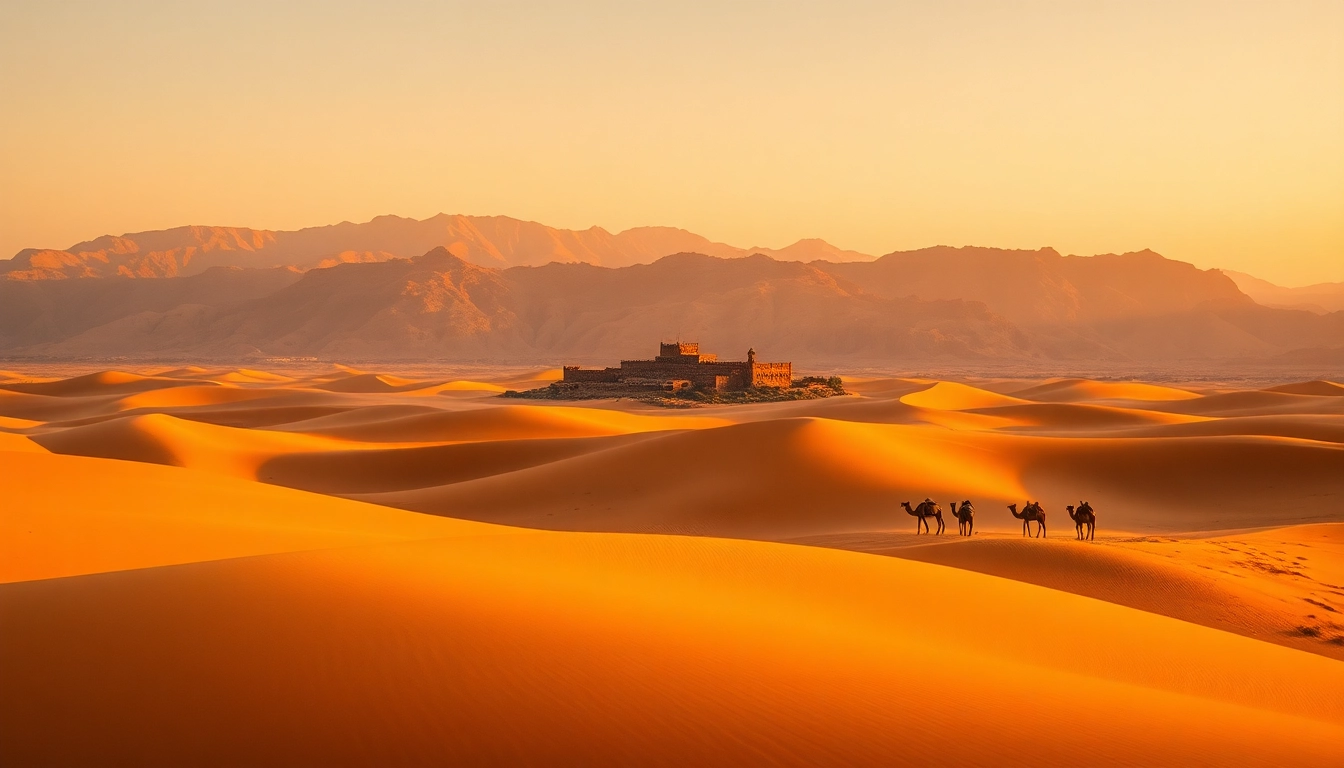
The Sahara, on the other hand, presents a starkly different environment with its rolling dunes and striking sunsets. Camel trekking is a popular activity, allowing travelers to experience this expansive desert. The small towns in the Sahara, such as Merzouga, provide unique accommodations and cultural experiences centered around traditional Berber hospitality.
Moreover, Morocco’s coastal towns, like Agadir and Taghazout, are famous for their surf culture and beautiful beaches, inviting both relaxation and adventure. Whether it's exploring the deep canyons of Todra Gorge or enjoying water sports along the coast, the natural wonders of Morocco ensure there is something for everyone.
Planning Your Morocco Travel Itinerary
When crafting your travel itinerary for Morocco, it is essential to consider your interests and the experiences you wish to have. From historical explorations to culinary adventures and outdoor activities, there is an abundance of options available. Below are key elements to include in your planning process.
Key Destinations to Include
Your itinerary should feature key destinations that represent the various facets of Morocco. Begin with the frenetic energy of Marrakech, where you can explore the famous Jemaa el-Fnaa square, visit historical sites like the Saadian Tombs, and indulge in the local cuisine.
Next, consider a visit to the ancient city of Fez, where the labyrinthine streets of the Medina promise an immersive experience in Moroccan tradition and craftsmanship. Don’t forget to check out the tanneries and artisan workshops while you’re there.
Further, a trip to the Sahara Desert is essential for a complete experience. Many tours offer overnight excursions into the desert, where you can spend a night under the stars in a Berber tent, taking in the serene beauty of the dunes.
Last but not least, make time for the coastal cities — Essaouira for its laid-back atmosphere and blue walls decorated with lanterns, and Agadir for its sunny beaches and vibrant markets. Each destination offers unique experiences that will enrich your travel.
Best Times to Visit Morocco
Timing your visit to Morocco is crucial for an enjoyable experience. The best periods to travel generally fall between March to May and September to November, when the weather is pleasantly mild. In contrast, the summer months can be extremely hot, particularly in the inland cities, making outdoor activities quite challenging.
For skiing enthusiasts, the Atlas Mountains present a winter wonderland, with resorts welcoming visitors from late December to early March. Alternatively, if your goal is to experience local festivals, researching the festival calendar to align your travel dates can enhance your visit by allowing you to partake in unique cultural events.
Traveling Tips for Navigating Morocco
Navigating Morocco can be both exhilarating and challenging. To make the most of your experience, consider the following tips:
- Dress Appropriately: Morocco is a predominantly Muslim country, and dressing modestly is encouraged. Consider light, breathable fabrics that cover the shoulders and knees, particularly in rural areas.
- Learn Basic Arabic or French Phrases: While many Moroccans speak English, learning a few basic phrases can enhance your interactions and demonstrate respect for the culture.
- Be Mindful of Bargaining: Haggling is a common practice in Moroccan markets. Approach it with a friendly attitude and be prepared to negotiate prices for goods.
- Stay Hydrated: The climate, especially in the summer, can be hot and dry. Carry water with you at all times to stay hydrated during your travels.
- Use Trusted Transportation: Opt for registered taxis or public transport for safe travel. If venturing into rural areas, consider hiring a local guide who knows the terrain.
Experiencing Moroccan Cuisine During Your Travel
No visit to Morocco is complete without indulging in its exquisite cuisine. Moroccan food reflects the country’s diverse culture, with flavors influenced by Berber, Arab, and Mediterranean trends.
Must-Try Dishes and Street Foods
When in Morocco, you must try traditional dishes such as tagine, a slow-cooked stew typically served with bread. Variants include chicken with preserved lemons and olives or lamb with prunes and almonds. Additionally, couscous, often served on Fridays, is another staple dish well worth exploring.
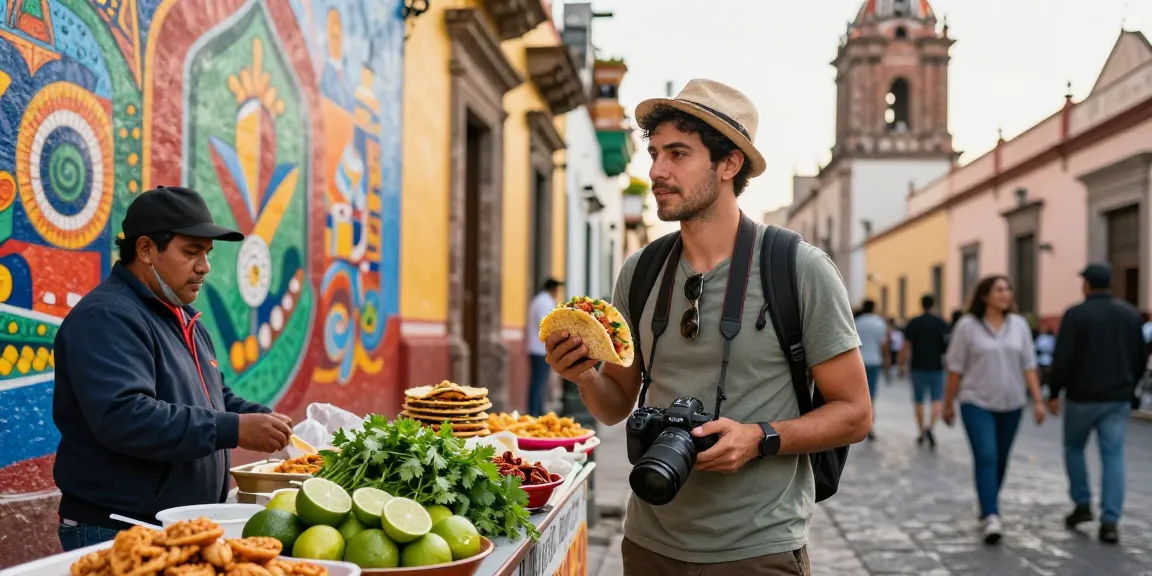
Street food is an integral part of the Moroccan culinary experience, with delicacies like harira (a rich soup) and pastilla (a sweet and savory pastry) being immensely popular. Make sure to sample sweet treats like baklava and a variety of fresh fruits sold in local markets.
Exploring Local Markets for Authentic Flavors
Visiting local souks is an adventure for the senses. Markets in cities like Marrakech and Fez are filled with the scent of spices, the sound of bustling vendors, and the sight of vibrant handicrafts. Engaging with local vendors while shopping for spices or textiles is not just a transaction; it's an opportunity to connect with the community.
Many souks also have food stalls and open-air eateries where you can taste authentic Moroccan dishes prepared by local chefs. Travel beyond the tourist hotspots to uncover lesser-known markets for a more genuine experience.
Dining Etiquette in Morocco
Dining in Morocco is a communal experience reflecting the hospitality of the culture. It is customary to eat with your right hand, particularly when sharing a tagine, which is often served directly from the dish. If invited to someone’s home, it is polite to bring a small gift, such as sweets or fruits.
Before dining, expect a refreshing glass of mint tea, a gesture that embodies Moroccan hospitality. Lastly, meals may end with a variety of fruits or pastries, and one should always express gratitude for the meal shared, reaffirming the ties of gathering amongst friends and family.
Adventure Activities to Enhance Your Morocco Travel
For those seeking adventure, Morocco does not disappoint. The country offers a wide range of activities that cater to outdoor enthusiasts and thrill-seekers alike.
Desert Excursions and Camel Rides
Exploring the Sahara Desert via a camel trek is a quintessential Moroccan experience. Many guided tours take you through enchanting landscapes, offering insights into Berber culture and traditions. Overnight excursions allow travelers to camp under the stars, providing a unique perspective on the vastness of the desert.
Cultural activities during these excursions, such as traditional music performances and storytelling sessions around the campfire, deepen the connection between visitors and the local tradition.
Hiking in the Atlas Mountains
The Atlas Mountains provide an excellent backdrop for hiking adventures, with trails that accommodate all skill levels. A popular choice is the hike to Toubkal, the highest peak in North Africa, which offers rewarding panoramic views. Along hiking routes, visitors can experience Berber villages and lush valleys, gaining insights into local livelihoods.
Timely engagement with local guides enriches the hiking experience, as they can share hidden gems and cultural insights along the way. Whether you opt for a rigorous trek or a leisurely walk through picturesque landscapes, the mountains are a treasure trove of natural beauty.
Water Sports Along Morocco’s Coast
The Atlantic Coast is ideal for water sports, attracting surfers and kiteboarders alike. Taghazout, known for its consistent waves, has become a hotspot for surfers at all levels. For those seeking less adrenaline, the tranquil beaches of Essaouira are perfect for windsurfing or simply soaking up the sun.
Moreover, beach towns often have waterside restaurants serving fresh seafood, providing a quintessential coastal dining experience after a day on the water.
Connecting with Local Culture on Your Morocco Travel
Building connections with the local culture is one of the most rewarding aspects of morocco travel. Engaging with the community allows for a deeper appreciation of the rich traditions that define this remarkable country.
Participating in Traditional Festivals
Participating in traditional festivals is an excellent way to immerse yourself in Moroccan culture. Events such as the Cherry Festival in Sefrou or the Erfoud Dates Festival showcase local customs and celebrate regional produce. These festivals are filled with music, dance, and local crafts, allowing visitors to experience the heart of Moroccan culture.
Moreover, many festivals are family-oriented, providing opportunities for travelers to engage with locals and witness communal celebrations that highlight Moroccan identity.
Visiting Local Artisans and Craft Markets
Supporting local artisans by visiting craft markets establishes a strong connection to Moroccan culture. Many craftspeople produce beautiful items including pottery, carpets, and leather goods, often employing techniques passed down through generations. Learning about these crafts often provides insight into the historical context and cultural significance behind the pieces.
Not only does this enhance your understanding of Morocco’s artistic heritage, but it also empowers local artisans by providing them with a sustainable income.
Understanding Moroccan Hospitality
Moroccan hospitality is legendary and deeply ingrained in the culture. Visitors often find themselves invited to share meals or partake in local customs. This openness enriches the travel experience and fosters meaningful interactions.
Small gestures of hospitality, such as sharing tea, are significant in Moroccan culture. Understanding and appreciating these customs can enhance your connection with the locals and create a more immersive travel experience.