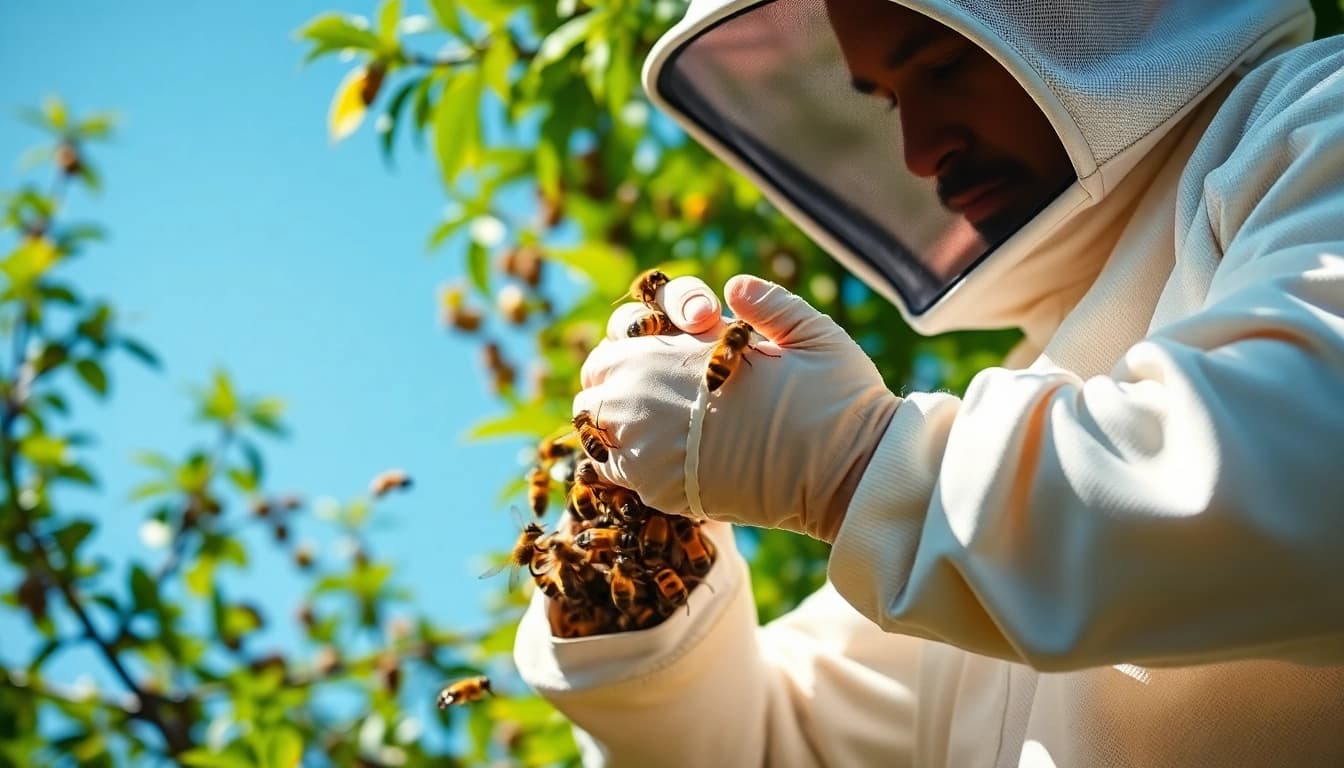
Understanding Live Bee Removal
The world of bees is often misunderstood, often leading to fear and misconceptions. Alarmingly, many people default to extermination when encountering a bee colony. Yet, a growing trend is emerging—live bee removal, a humane and ecologically beneficial approach. This method prioritizes the safe relocation of bees while preserving their crucial role in the environment.
Why Live Bee Removal Matters
Bees serve as vital pollinators, crucial to the health of ecosystems and the production of food. The alarming decline in bee populations worldwide raises concerns about food security and biodiversity. Live bee removal is a responsible response to bee-related issues, recognizing both the practicality of addressing infestations and the ecological imperative to protect these industrious creatures.
The Benefits of Humane Bee Relocation
Opting for humane bee relocation carries numerous benefits. Firstly, it ensures the safety of beekeepers and those nearby. Secondly, bees contribute significantly to pollination, which is crucial for many food crops. By removing bees alive, we support local ecosystems, promote biodiversity, and enable beekeeping practices that can lead to local honey production. This process also honors the delicate balance of nature, allowing bees to continue their essential work.
Common Misconceptions About Bee Removal
A significant misconception is that all bees are aggressive and dangerous. While certain species, such as Africanized honey bees, can be more aggressive, most bees are non-aggressive unless provoked. Another myth is that bees can be removed without professional help; however, improper handling can lead to injury for both humans and bees. Additionally, many believe that bees can merely be exterminated without long-term repercussions, yet this approach often leads to ecological disturbances.
Signs You Need Live Bee Removal
Recognizing the signs of a bee infestation is essential for a timely response. Understanding when to call for professional live bee removal services can prevent complications and ensure safety for all involved.
Identifying Bee Swarms and Colonies
Swarms are typically seen in spring when bees mate and establish new colonies. They cluster in large groups, often hanging from trees or structures. Colonies build hives in sheltered spaces like attics, walls, or beneath eaves. Signs of a colony include increased bee activity, buzzing sounds, and honey drips.
Differences Between Bees and Wasps
Bees generally have bushier bodies, while wasps are sleek and smooth. Bees primarily feed on pollen and nectar, contributing to pollination, whereas wasps are predators, often feeding on other insects. Understanding these differences is vital when assessing whether one is dealing with bees or wasps, as the removal methods vary significantly.
Behavioral Signs Indicating an Infestation
If you notice a consistent presence of bees in your vicinity, particularly near potential nesting sites, it could indicate an infestation. Persistent buzzing sounds, increased bee activity, and honey residue are all signals that it might be time to contact a professional.
Choosing a Professional for Live Bee Removal
Selecting a qualified professional can make a significant difference in the outcome of your bee removal process. It's crucial to ensure that you're dealing with experienced and knowledgeable individuals in the field.
Qualities to Look For in a Beekeeper
When searching for a beekeeper, prioritize those with certifications, relevant experience, and positive customer reviews. A professional who is active in the beekeeping community often demonstrates a commitment to sustainable practices and continued knowledge of bee behaviors and needs.
Questions to Ask Before Hiring
Before hiring, ask about their relocation methods, experience level, and any guarantees they offer for their services. Inquire about their procedures for ensuring the bees are relocated safely without harm, as well as how they manage potential risks during the removal process.
Cost Factors for Live Bee Removal Services
The cost of live bee removal can vary significantly based on factors such as location, the complexity of the removal, and the size of the bee colony. Generally, costs can range from $150 to $500, depending on the required equipment and time involved in the operation. It's advisable to get quotes from multiple beekeepers to ensure fair pricing.
DIY Live Bee Removal: Risks and Considerations
While some may consider DIY methods for bee removal, it's essential to weigh the risks involved. In many situations, enlisting a professional is the safer and more effective choice.
When DIY Is Not an Option
If bees are nesting in hard-to-reach places or if the hive is large, it's best to avoid DIY methods. Individuals without experience may misinterpret how to safely handle bees, leading to potential stings and risks of aggravating the hive's inhabitants.
Safe Practices for Handling Bees
If one feels equipped to handle bees, safety gear such as gloves, a veil, and long sleeves are critical. Disturbing the hive environment can provoke bees; therefore, working quickly and calmly is vital. However, caution must always be exercised, and inexperienced individuals should avoid removing bees alone.
Tools You May Need for Bee Relocation
Key tools for safer bee removal include a bee vacuum, hive boxes for relocation, and protective clothing. Understanding how to use these tools effectively requires training, emphasizing the need for professional assistance.
Post-Removal Care and Prevention
After live bee removal, it's critical to implement measures that prevent re-infestation and maintain a positive environment for bees.
Sealing Entry Points to Prevent Re-Infestation
Once the bees have been removed, inspect your property for entry points such as cracks or gaps where bees can enter. Seal these openings to discourage other bees from establishing new nests in the same location.
Maintaining a Bee-Friendly Environment
Promoting a bee-friendly environment is beneficial to local ecosystems. Planting native flowers and providing water sources supports local bee populations and encourages biodiversity in your yard. Avoiding pesticides and using organic gardening methods will also help in maintaining a harmonious environment.
Long-Term Bee Management Tips
Practicing long-term bee management includes regular property inspections for early signs of bee activity. Educating yourself and others about bee behavior and environmental stewardship can significantly contribute to their preservation in your area.
Frequently Asked Questions
Can bees be removed for free?
Many beekeepers offer free bee removal, especially for swarms, but they may request a donation or minimal fee for gas or equipment use. Complex removals might incur charges.
How much does bee removal usually cost?
Bee removal typically costs between $150 and $500, with an average cost of around $180. Prices vary depending on colony size and location challenges.
How do I know if I need bee removal?
Signs of infestation include noticing swarms, excessive bee activity, or honey drips. If you spot these signs, contacting a professional is advised.
Are bees harmful?
Most bees are not aggressive unless provoked. Understanding their behavior is critical for safely managing interactions without harm.
What is the best way to handle a bee infestation?
The best approach involves contacting professional beekeepers who utilize humane live bee removal methods, ensuring both safety and ecological balance.