Understanding Fire Blankets
What is a fire blanket?
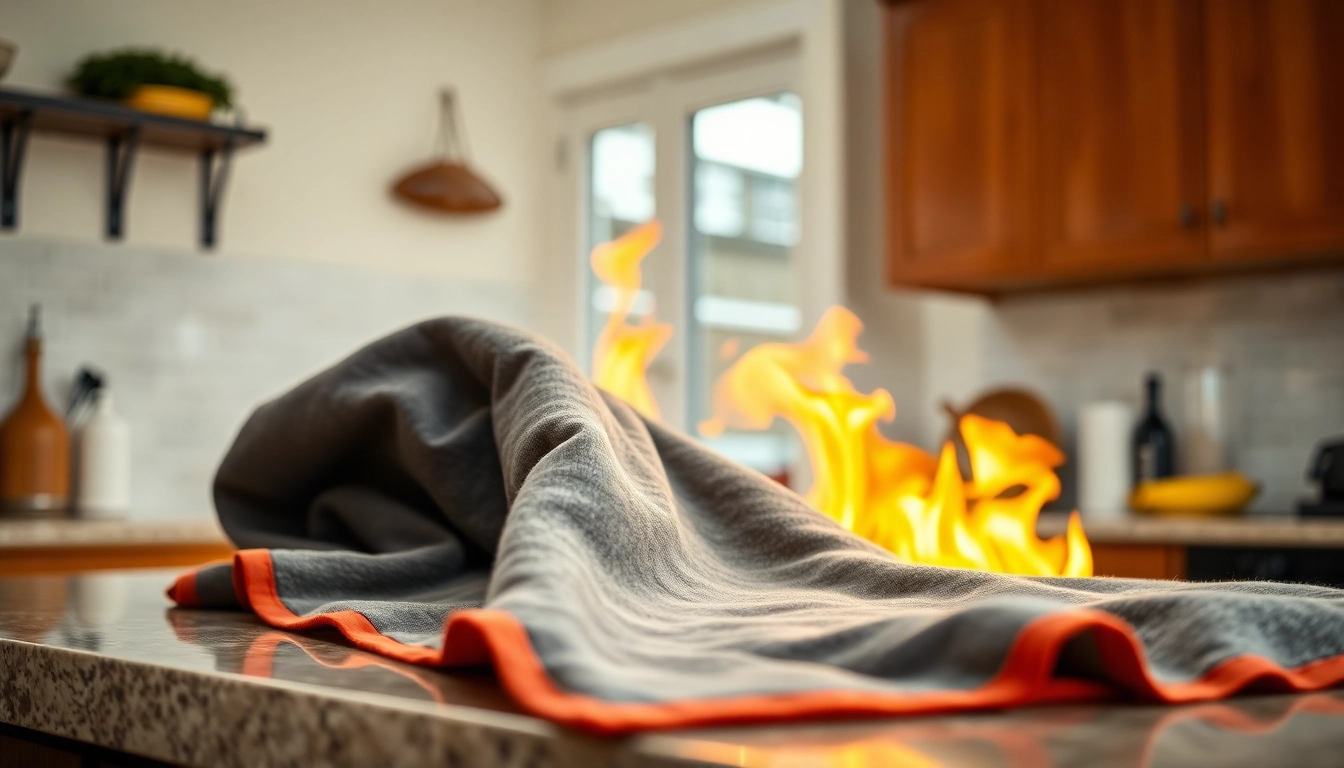
A fire blanket is a safety tool consisting of a sheet made from fire-retardant materials. It is primarily designed to extinguish small, incipient fires. This device can be crucial in emergency situations, providing a quick and effective means to control flames before they escalate into larger disasters. Fire blankets are commonly used in homes, kitchens, workshops, and workplaces where the risk of small fires is prevalent.
How do fire blankets work?
Fire blankets function by smothering the flames, effectively cutting off the oxygen supply essential for fire combustion. When a fire is covered with a fire blanket, it inhibits the fire's ability to grow, allowing for quick control. Typically made from materials such as fiberglass or wool, these blankets are designed to withstand high temperatures without igniting themselves.
When should you use a fire blanket?
Fire blankets are most effective for small fires, such as those caused by cooking oils or clothing. They should be used immediately upon noticing a fire, before it has a chance to spread. However, caution must be taken; they are not suitable for all types of fires, particularly electrical fires and fires involving flammable gases or metals.
Choosing the Right Fire Blanket
Materials used in fire blankets
The materials used in fire blankets significantly affect their performance and application. Fire-retardant materials like fiberglass and wool are common, each boasting unique properties. Fiberglass blankets are often preferred for their resistance to high heat and ability to extinguish flames effectively, while wool offers excellent thermal insulation and can be more durable over time.
Size considerations for fire blankets
When choosing a fire blanket, the size is critical. Fire blankets come in various sizes, typically ranging from 36 inches to 82 inches in square dimensions. A blanket must be large enough to cover the entire fire source, ensuring its effectiveness. It's recommended to have a larger blanket for kitchen and workshop use, where the risk of larger flames may arise.
Certification and safety standards
Not all fire blankets are created equal. It’s essential to look for products that comply with safety standards such as the EN 1869 certification, which ensures the blanket meets specific performance criteria in extinguishing fires. Proper certification indicates that the blanket has undergone rigorous testing, providing safety assurance to users.
Proper Usage of Fire Blankets
Step-by-step guide on using a fire blanket
Using a fire blanket effectively requires knowledge of the correct technique. Here is a simple step-by-step guide:
- Identify the fire source. Ensure it is small and manageable.
- Remove the fire blanket from its storage container, ensuring not to touch the material with your bare skin.
- Hold the blanket by the tabs or corners, using it to shield your body.
- Approach the fire and gently place the blanket over it, ensuring all flames are covered.
- Leave the blanket in place until it cools, then check for any remaining heat or embers.
Common mistakes to avoid
When using a fire blanket, avoid the following common mistakes:
- Getting too close to the flames without protection.
- Removing a fire blanket prematurely before the fire has completely extinguished.
- Using a blanket that is too small for the fire, potentially allowing flames to escape.
- Failing to regularly inspect the blanket for damage or signs of wear.
Post-use inspection and maintenance
After using a fire blanket, it's essential to inspect it. Check for any damage, such as burns or tears; if the blanket shows any wear, it must be replaced. Additionally, cleaning the area where the fire occurred is crucial to prevent any residue or potential flare-ups from staying behind.
Fire Blanket Limitations
Fire scenarios unsuitable for fire blanket use
Fire blankets are not a catch-all solution. They are not recommended for:
- Electrical fires, as using a blanket may not cut the power source.
- Fires involving flammable gases or metals, which can react unpredictably.
- Large or rapidly spreading fires where a blanket cannot smother the flames.
When to call for professional help
If a fire becomes unmanageable or is spreading quickly, evacuating the area and calling emergency services is critical. It's important to prioritize safety over attempts to control the flames, as professional firefighters have the training and equipment necessary to handle larger fires effectively.
Alternative fire safety equipment
In addition to fire blankets, consider having other fire safety equipment on hand, such as:
- Fire extinguishers, particularly ABC-rated ones that can tackle various fire types.
- Smoke detectors installed strategically throughout your home for early detection.
- Fire alarms linked to professional monitoring services for immediate response.
FAQs About Fire Blankets
What not to use a fire blanket on?
A fire blanket should not be used on intense flames, electrical fires, or fires involving flammable gases or metals. These situations can escalate quickly and require specialized firefighting equipment.
How many times can you use a fire blanket before replacing it?
Most fire blankets are designed for one-time use. They can be reused if in good condition, but check for any signs of damage, and consider replacing it after any use to ensure safety.
What are the disadvantages of a fire blanket?
While fire blankets are effective for small fires, they can only cover a single spot. If the blanket is too small or the fire too large, it may fail to extinguish the flames completely.
Can children use fire blankets?
Children can learn to use fire blankets under adult supervision, focusing on safety first. Proper training on how to handle the device is essential to ensure their safety in emergencies.
How do I store a fire blanket?
Store fire blankets in an easily accessible location, ideally in a protective case to keep them clean and free from damage. Ensure all household members know where it is stored and how to use it in emergencies.