Understanding the Concept of Education Equity
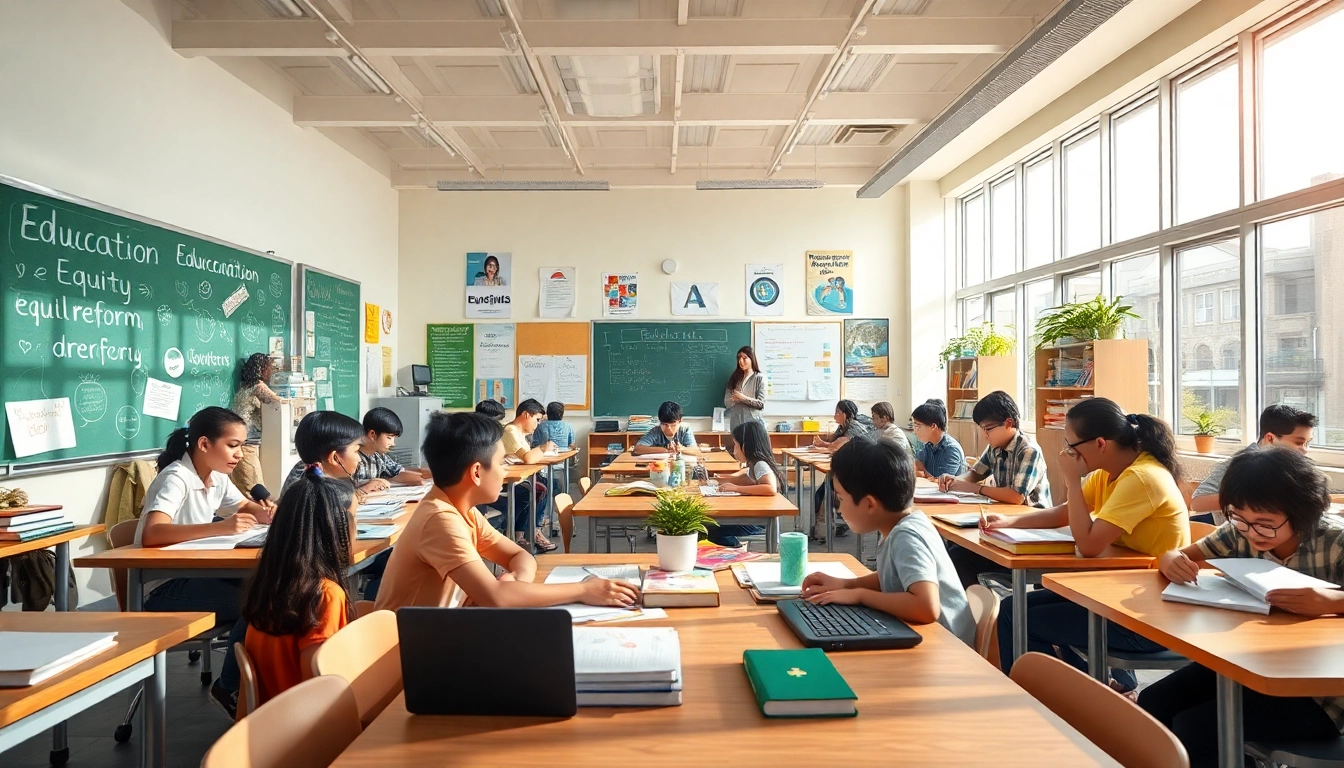
Education equity is a critical concept that relates to the fair distribution of educational resources, opportunities, and support to all students, regardless of their socio-economic status, race, ability, or location. In today's diverse society, understanding and advocating for education equity is essential for fostering a just and inclusive learning environment. Through initiatives that ensure access to quality education for marginalized groups, we can begin to dismantle the systemic barriers that hinder progress. For a deeper dive into transformative education practices, the role of innovation, and the significance of reform, it's crucial to explore various perspectives and strategies that drive change.
Defining Education Equity in Modern Context
Education equity refers to the principle of fairness in education, ensuring that individual needs are met to facilitate adequate educational opportunities for all students. This modern application considers the historical and social contexts that have led to disparities in educational access and achievement. As we analyze the concept, it is essential to differentiate between educational equity and equality. While equality implies providing all students with the same resources, equity recognizes that students come from different backgrounds and may require varying levels of support to succeed.
The Importance of Education Access for All
Access to quality education is foundational for social mobility and economic progress. Without equitable access, students from lower-income households or underrepresented communities face significant challenges that can impede their academic success. By prioritizing education access for all, we pave the way for a more inclusive future where every student can realize their potential. When we work collectively to ensure that schools are equipped with the necessary resources, technology, and support systems, we create an educational landscape where all students can thrive.
Common Misconceptions About Education Reform
One prevalent misconception about education reform is that it is solely about enhancing curriculum or improving test scores. In reality, effective education reform encompasses a broader spectrum, including increasing teacher support, improving school infrastructure, and addressing community needs. Another misconception is that reform can be achieved overnight; however, meaningful change requires time, collaboration, and sustained effort from all stakeholders involved in the education system.
Innovative Approaches to Education Reform
As the landscape of education continues to evolve, innovative approaches are essential for addressing the complexities of learning in the 21st century. Utilizing technology, project-based learning, and holistic educational strategies are just a few methods that can foster significant change within educational systems.
Technology Integration in Learning Environments
With the advent of technology, classrooms today are transforming into dynamic environments where students can collaborate, innovate, and engage in personalized learning experiences. Integrating technology into education facilitates interactive learning opportunities and equips students with vital digital literacy skills that will be crucial in their future careers. Tools such as learning management systems, educational apps, and online resources provide educators with the ability to tailor learning according to individual student needs.
Project-Based Learning as a Reform Strategy
Project-based learning (PBL) offers a hands-on approach that encourages students to explore real-world problems and develop critical thinking skills. Through collaborative projects, students are not only engaged in their learning but are also empowered to take ownership of their educational journey. PBL enhances problem-solving skills, creativity, and teamwork, all of which are invaluable in today's workforce.
Real-World Examples of Successful Education Initiatives
Various educational institutions have successfully implemented innovative approaches to address disparities and improve student outcomes. For instance, the Chicago Public Schools have adopted restorative justice practices to create a more supportive environment for students, which has led to a significant decrease in suspensions and an increase in student engagement. Similarly, the High Tech High network in California emphasizes project-based learning and integrates real-world problem-solving into its curriculum, preparing students for both college and career success.
The Role of Educators in Driving Change
Educators play a pivotal role in advocating for and implementing change within educational systems. Their insights and experiences are essential for shaping policies that address the needs of diverse learners and foster an inclusive educational environment.
Empowering Educators Through Professional Development
Professional development is crucial for equipping teachers with the skills and knowledge necessary to adapt to new teaching strategies and technologies. Continuous learning opportunities empower educators to stay current with best practices and innovative pedagogies. Furthermore, fostering communities of practice among educators can enhance collaboration and support, facilitating a culture of shared learning.
Advocacy for Policy Changes in Education
Teachers and educators must engage in advocacy efforts to influence education policy at local, state, and national levels. By participating in dialogues with policymakers and voicing the needs of their students, educators can drive the conversation towards creating policies that promote equity and access in education. This engagement is vital for ensuring that the voices of those directly affected by education policies are heard and considered.
Building Inclusive Classrooms for Diverse Learners
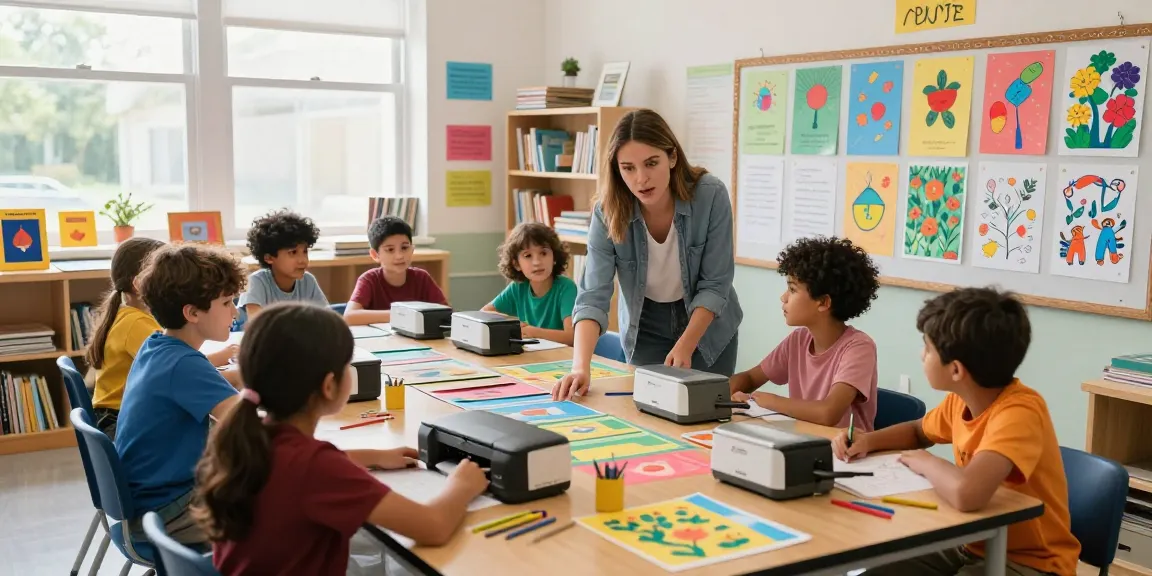
Creating an inclusive classroom environment involves recognizing and valuing the diverse backgrounds and experiences that students bring to the learning space. This includes implementing differentiated instruction strategies, supporting multilingual learners, and providing accommodations for students with disabilities. By fostering an inclusive culture, educators can promote a sense of belonging and engagement among all students.
Measuring the Success of Education Innovations
To ensure that education reforms are effective, it is essential to establish clear metrics for measuring success. Identifying key performance indicators (KPIs) can provide insights into the impact of various initiatives and inform future improvements.
Key Performance Indicators for Educational Success
KPIs offer a quantifiable measure of educational success, encompassing academic achievement, graduation rates, student engagement, and post-secondary outcomes. By analyzing these indicators, educators and policymakers can assess the effectiveness of reform initiatives and make data-driven decisions that enhance student learning experiences.
Qualitative vs. Quantitative Assessment Methods
When evaluating educational innovations, it is essential to utilize both qualitative and quantitative assessment methods. Quantitative data, such as standardized test scores and attendance rates, provides a numerical perspective on student performance. In contrast, qualitative assessments, including student surveys and focus groups, can offer deeper insights into student experiences and perceptions of their educational environment. An integrated approach to assessment can provide a holistic view of education reform success.
Case Studies: Effective Metrics in Education Reform
Numerous case studies highlight the importance of effective metrics in evaluating education reforms. For instance, the implementation of restorative practices in schools has been assessed through qualitative interviews, demonstrating improvements in school climate and student relationships. Similarly, data from schools utilizing personalized learning approaches have shown increased student engagement and higher academic performance.
Future Trends in Education for 2026 and Beyond
As we look ahead to 2026, several trends are poised to shape the future of education. Emerging technologies, evolving pedagogical practices, and shifting societal expectations will all play a role in defining the educational landscape.
Emerging Technologies Shaping Learning Experiences
Artificial intelligence, virtual reality, and augmented reality are transforming how students learn and interact with content. These technologies not only enhance student engagement but also provide opportunities for personalized learning experiences tailored to individual needs. As these technologies become more integrated into educational practices, it is essential for educators to remain informed and adaptable to these changes.
The Growing Importance of Social Emotional Learning
Social emotional learning (SEL) has gained prominence in recent years, recognizing the importance of emotional intelligence in fostering student well-being and academic success. Integrating SEL into the curriculum helps students develop critical skills such as empathy, self-regulation, and resilience. As education systems increasingly emphasize whole-child development, SEL will play a central role in shaping educational practices and policies.
Predictions for Global Education Policies and Standards
Looking forward, it is anticipated that global education policies will increasingly address issues of equity and access. Collaborative efforts among countries may lead to the establishment of common standards that promote inclusive practices and equip students with the skills needed for a globalized economy. Continued dialogue among educational leaders and policy makers will be crucial to navigating these changes and implementing effective reforms.