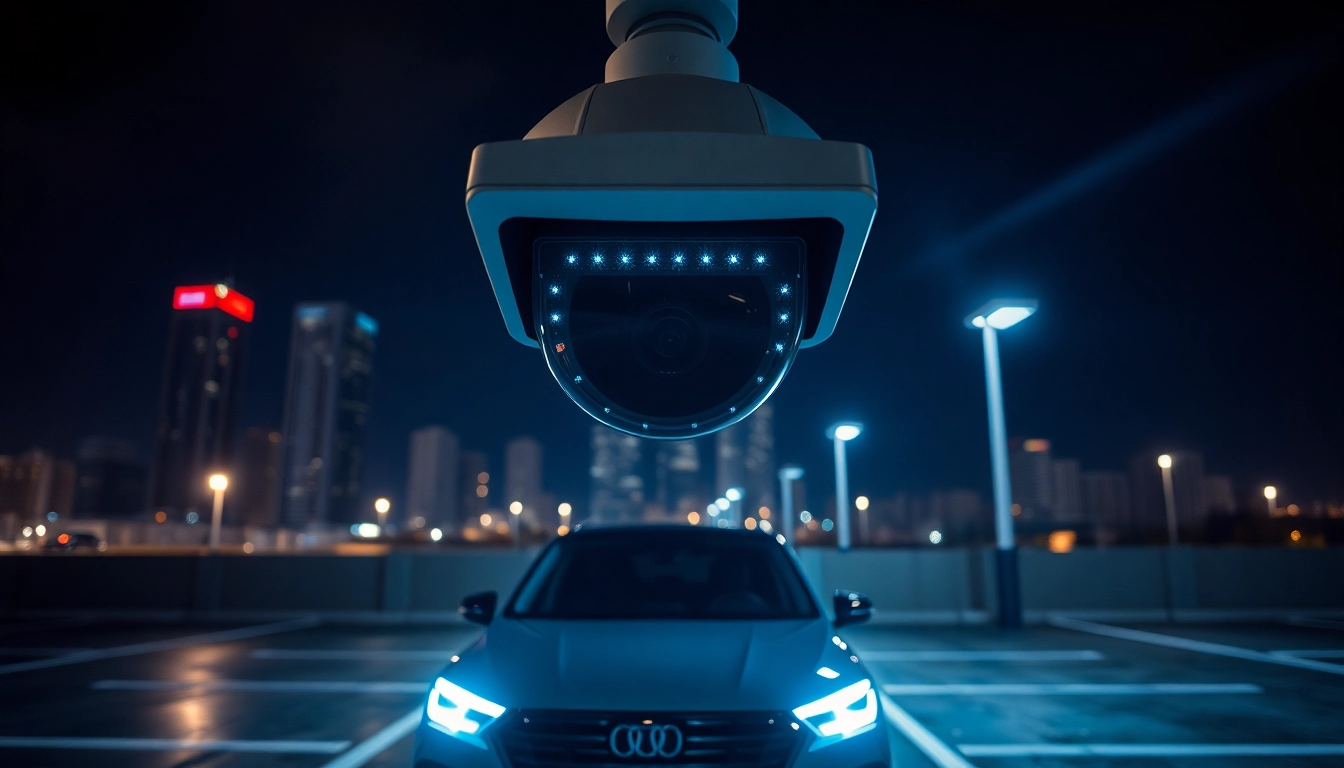
Introduction to License Plate Recognition Cameras
License plate recognition technology has revolutionized the way we monitor and manage vehicle activity across various sectors. A license plate recognition camera is an advanced security system that allows for automated reading and processing of vehicle license plates, aiding in everything from law enforcement to parking management. In this article, we will explore the details surrounding these vital tools, their functionalities, applications, and best practices for maximizing their effectiveness.
What is a License Plate Recognition Camera?
A license plate recognition camera, often abbreviated as LPR camera, utilizes optical character recognition to automatically read and process vehicle license plates. By using a combination of high-resolution imaging, artificial intelligence, and advanced analytics, these cameras capture license plate information in real-time. Typically installed at key vantage points, they identify vehicles and log relevant data, such as time and location of readings. As a result, they play a crucial role in various applications ranging from security monitoring to traffic law enforcement.
Key Features of License Plate Recognition Cameras
Understanding the core features of license plate recognition cameras helps in selecting the appropriate system tailored for specific needs. The key features include:
- High-Resolution Imaging: Quality imaging is pivotal in capturing clear images of license plates. Most LPR cameras are equipped with high megapixel sensors that ensure clear and precise readings even from a distance.
- Real-Time Processing: Advanced AI algorithms enable these cameras to process data in real-time, providing immediate alerts or notifications based on pre-set parameters.
- Infrared Capabilities: Many models come with infrared technology, allowing them to capture license plates in low-light conditions or complete darkness.
- Integration with Other Systems: LPR cameras can often be integrated with other security systems, creating a more comprehensive surveillance solution.
- Data Storage and Analytics: The ability to store and analyze data helps organizations better understand and manage vehicle activity trends.
Applications and Benefits in Various Sectors
License plate recognition cameras serve a wide array of applications offering substantial benefits across different sectors:
- Law Enforcement: LPR cameras assist police departments in identifying stolen vehicles, monitoring wanted persons, and enforcing traffic laws effectively.
- Parking Management: In parking facilities, LPR systems enable automated entry and exit, streamlining the parking process and improving revenue capture.
- Toll Collection: Automated toll collection systems can utilize LPRs to charge vehicles at highway toll booths without the need for manual intervention.
- Traffic Management: Enhancing traffic flow with real-time data collection helps authorities respond to congestion and optimize signal timings.
- Commercial Security: Businesses can leverage LPR technology to monitor access to premises, enhancing security measures and preventing unauthorized entry.
How License Plate Recognition Cameras Work
The Technology Behind License Plate Recognition Cameras
At the heart of a license plate recognition camera is complex technology that combines hardware and software. The camera captures images of vehicles as they pass and employs optical character recognition to interpret the letters and numbers on the license plates. High-speed processors within the camera enable rapid data processing, allowing systems to capture multiple license plates in quick succession, often exceeding 30 frames per second.
Data Processing and Storage Solutions
The data generated by LPR cameras must be processed and stored effectively to be useful. After identification, the information is typically sent to a centralized server or cloud-based storage where it is archive for later retrieval and analysis. Depending on the setup, organizations can implement search features that allow quick access to specific license plate data, enhancing operational efficiency.
Understanding Image Capture and Analysis
Image capture quality directly affects recognition accuracy. Factors such as lighting conditions, camera position, and lens quality play a pivotal role in ensuring that license plates are read correctly. Advanced algorithms analyze captured images, filtering out noise and correcting distortions. Many systems also incorporate features like vehicle make and color recognition, providing additional data points for security and management applications.
Choosing the Right License Plate Recognition Camera
Factors to Consider When Selecting a Camera
Selecting the appropriate license plate recognition camera involves evaluating several key factors:
- Environment: Consider whether the camera will be used indoors or outdoors, as different models are designed to withstand various weather conditions.
- Installation Location: The placement and angle of the camera significantly affect its performance. Consider areas with high vehicle traffic for maximum data capture.
- Budget: Determine your budget, including installation and maintenance costs, to find a suitable camera that delivers value for money.
Comparing Different Models and Features
When comparing various models, take note of essential features such as image resolution, processing speed, and additional functionalities like infrared capability. Some systems may offer integrated analytics or the ability to connect with existing security systems, providing added layers of functionality.
Budgeting for Your License Plate Recognition System
Creating a comprehensive budget for your LPR camera system includes not only the purchase price but also installation costs, ongoing maintenance, and potential software upgrades. Research financing options that may be available to relieve upfront spending and consider long-term operational costs when evaluating proposals.
Best Practices for Implementing License Plate Recognition Cameras
Site Assessment and Placement Strategies
Conducting a thorough site assessment is crucial before installation. Factors such as traffic patterns, natural light exposure, and potential obstructions should be accounted for to select optimal locations making certain that the cameras will operate at their best. It’s beneficial to map out control points where monitoring can be maximized while ensuring security and data capture are prioritized.
Maintenance Tips for Optimal Performance
Regular maintenance is essential for the optimal performance of license plate recognition cameras. This includes cleaning lenses, checking connections, updating software, and calibrating settings to adapt to any environmental changes. Developing a maintenance schedule helps in prolonging the camera's lifespan and ensures data accuracy.
Legal Considerations and Privacy Issues
As with any surveillance technology, using license plate recognition cameras raises legal and privacy concerns. Organizations must comply with relevant laws regarding data collection, consent, and storage. It's critical to establish clear policies regarding how data will be used and ensure transparency with the public to build trust and mitigate backlash.
Future Trends in License Plate Recognition Technology
Advancements in AI and Machine Learning
The future of license plate recognition technology will see significant enhancements through advancements in artificial intelligence and machine learning. These technologies will improve the accuracy and efficiency of LPR systems, helping automated systems to learn from previous readings, better adapt to diverse conditions, and reduce instances of misreads.
Integrating License Plate Recognition with Smart Cities
As cities around the world adopt smart technologies, the integration of LPR systems will contribute to more efficient urban management. Applications like real-time traffic monitoring and congestion management will enhance public safety while optimizing roadway usage. Integrating these systems with municipal IT infrastructure will be vital to create cohesive urban surveillance and management systems.
Anticipating Future Use Cases and Regulations
With the evolution of license plate recognition cameras, new use cases are continually being identified. This could include applications in smart parking solutions, city planning, and enhanced law enforcement strategies. Concurrently, regulators will likely impose stricter guidelines on data privacy, mandating clear protocols for usage, which organizations must be prepared to adopt.
FAQs
1. What are the common uses for a license plate recognition camera?
Common uses include parking management, toll collection, law enforcement, and traffic monitoring.
2. How accurate are license plate recognition cameras?
Accuracy can reach up to 99% under optimal conditions, although variable factors such as lighting can affect performance.
3. Can a license plate recognition camera work at night?
Yes, many models are equipped with infrared capabilities, enabling them to capture plates in low light.
4. Are there privacy concerns with using license plate recognition cameras?
Yes, concerns include data collection, consent, and potential misuse of information, necessitating compliance with applicable laws.
5. How do I choose the best license plate recognition camera for my needs?
Consider installation environment, budget, features, and specific application requirements to guide your decision.