
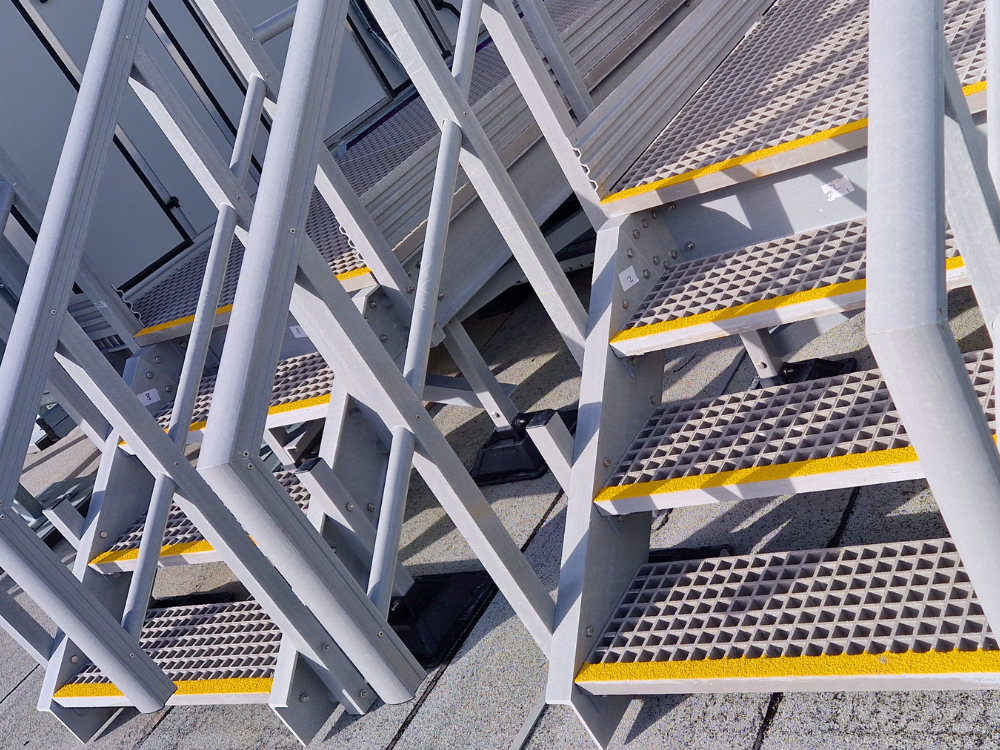
In modern industrial and commercial settings, the demand for reliable, durable, and cost-effective flooring solutions has never been higher. One material increasingly standing out is GRP Grating, a composite solution that combines the strength of traditional steel with the lightweight advantages of innovative materials. For industries ranging from construction and water utilities to marine and manufacturing sectors, GRP Grating is redefining how we approach flooring, walkways, and access platforms.
The unique characteristics of GRP Grating make it an ideal alternative to timber, steel, or concrete, particularly in environments exposed to moisture, chemicals, or heavy foot traffic. In this article, we will explore the advantages of GRP Grating, its various applications, cost-effectiveness, and environmental benefits.
What Is GRP Grating?
GRP Grating, short for Glass Reinforced Plastic grating, is a composite material made from thermosetting resins and high-strength glass fibers. The resin binds the fibers together, creating a lightweight yet highly durable product capable of withstanding extreme conditions. This combination ensures structural strength, corrosion resistance, and ease of handling, making GRP Grating a preferred solution for a wide range of industries.
There are primarily two types of GRP Grating:
- Moulded GRP Grating: Designed for environments with high impact, moisture, or chemical exposure. This type is ideal for industrial platforms, maintenance areas, and walkways that experience frequent foot traffic.
- Pultruded GRP Grating: Engineered for higher stiffness and strength, pultruded grating is perfect for longer spans and heavy load-bearing applications.
Both variants are fire-retardant, non-conductive, and require minimal maintenance.
Key Advantages of GRP Grating
1. Lightweight Yet Strong
One of the primary benefits of GRP Grating is its exceptional strength-to-weight ratio. Unlike steel, which is heavy and cumbersome, GRP Grating offers comparable strength while being significantly lighter. This makes installation faster and safer, especially in elevated or hard-to-reach locations.
The lightweight nature of GRP also reduces transportation costs and manual handling risks, providing additional safety advantages in construction, marine, and industrial environments.
2. Corrosion Resistance
Industrial environments often involve exposure to chemicals, moisture, or saltwater. Unlike steel, which can corrode over time, GRP Grating is inherently resistant to rust, chemical degradation, and moisture damage. This ensures a longer lifespan, lower maintenance costs, and minimal downtime for repairs or replacement.
Applications benefiting from this property include water treatment facilities, offshore platforms, chemical plants, and sewage treatment areas.
3. Slip Resistance
Safety is paramount in industrial settings, and many GRP Gratings come with a textured, anti-slip surface. Quartz grit or molded serrated surfaces enhance traction, reducing the risk of slips and falls in wet or oily conditions.
This feature is especially important for walkways, platforms, and stair treads where worker safety and regulatory compliance are critical.
4. Fire Retardancy and Non-Conductivity
GRP Grating is non-conductive and can be manufactured with fire-retardant resins. This makes it suitable for electrical installations, offshore platforms, and environments with flammable materials. The non-conductive property reduces the risk of electric shocks, while fire retardancy ensures enhanced safety and compliance with industry standards.
5. Minimal Maintenance
Compared to traditional steel or timber, GRP Grating requires little to no maintenance. There’s no need for painting, galvanizing, or applying protective coatings. Its resistance to corrosion, chemicals, and environmental wear ensures long-term durability, saving both time and money for industrial operators.
Common Applications of GRP Grating
GRP Grating is highly versatile and suitable for a wide range of industrial and commercial applications:
- Construction & Infrastructure: Walkways, catwalks, platforms, and stair treads in environments exposed to moisture or chemicals.
- Water & Utilities: Pumping stations, water treatment plants, and sewage systems benefit from its corrosion resistance and durability.
- Marine & Offshore: Ideal for jetties, pontoons, and offshore rigs where exposure to saltwater is common.
- Transport & Rail: Platforms, maintenance areas, and trackside walkways can use GRP Grating for lightweight, slip-resistant flooring.
- Chemical & Manufacturing Facilities: Resistant to chemical spills and heavy traffic, making it suitable for industrial processing areas.
Long-Term Cost Efficiency
Although the initial investment in GRP Grating may be slightly higher than traditional materials, the overall cost of ownership is far lower. Key factors contributing to this cost efficiency include:
- Elimination of corrosion and rust-related repairs
- No repainting, galvanizing, or protective coatings required
- Long lifespan exceeding 20 years in most environments
- Reduced labor and installation costs due to lightweight handling
For industries prioritizing safety, performance, and budget efficiency, GRP Grating offers an unmatched value proposition.
Environmental Benefits
Sustainability is an important consideration for modern industries. GRP Grating contributes to greener practices in several ways:
- Extended lifespan reduces resource consumption and the need for frequent replacements
- Low maintenance reduces the use of harmful chemicals and coatings
- Lightweight properties minimize transport emissions
- Recyclable at the end of its life cycle, contributing to reduced industrial waste
Installation and Customization
GRP Grating can be easily cut, shaped, and installed on-site without requiring specialist tools. Pultruded and molded grating types can be customized to meet specific span, load, or safety requirements, ensuring flexibility for various industrial needs.
This adaptability allows designers and engineers to specify grating solutions tailored to each project, from complex offshore platforms to municipal waterworks.
Durability in Harsh Environments
Industrial environments are often challenging, with exposure to chemicals, extreme temperatures, moisture, and heavy loads. GRP Grating withstands these conditions without warping, rusting, or weakening over time. This durability ensures continuous operation, reduces downtime, and enhances the overall safety of workers and equipment.
Aesthetic and Functional Advantages
Beyond functionality, GRP Grating also offers aesthetic and design flexibility. Available in multiple colors, surface finishes, and textures, it can be integrated seamlessly into industrial, commercial, or architectural projects without compromising appearance or performance.
Choosing the Right GRP Grating
Selecting the correct type of GRP Grating depends on the specific application:
- Choose moulded grating for areas with high impact or frequent chemical exposure
- Opt for pultruded grating when higher load-bearing capacity and longer spans are needed
- Consider surface texture options for slip-resistance requirements
- Evaluate the fire-retardant and non-conductive properties for specialized industrial settings
Working with experienced suppliers ensures the grating meets both operational and safety standards.
FAQs About GRP Grating
What makes GRP Grating different from steel grating?
GRP Grating is lightweight, corrosion-resistant, and non-conductive, whereas steel is heavy, prone to rust, and requires frequent maintenance. GRP offers similar strength with fewer long-term costs.
Can GRP Grating support heavy loads?
Yes. Pultruded GRP Grating, in particular, is designed for high load-bearing applications and can be customized to meet specific structural requirements.
Is GRP Grating suitable for outdoor use?
Absolutely. Its resistance to moisture, UV exposure, and chemicals makes it ideal for outdoor platforms, walkways, and marine environments.
Conclusion
From its lightweight yet robust structure to corrosion resistance, fire safety, and low maintenance, GRP Grating provides a compelling solution for modern industrial, commercial, and marine applications. Its adaptability across various environments, combined with long-term cost savings and sustainability benefits, makes it a preferred choice for engineers, designers, and safety-conscious managers.
Industries looking for durable, safe, and efficient flooring solutions can trust GRP Grating to deliver reliable performance for decades. Whether in construction, water utilities, marine platforms, or manufacturing plants, the benefits of choosing GRP Grating are clear. We update our homepage regularly with new features and highlights.