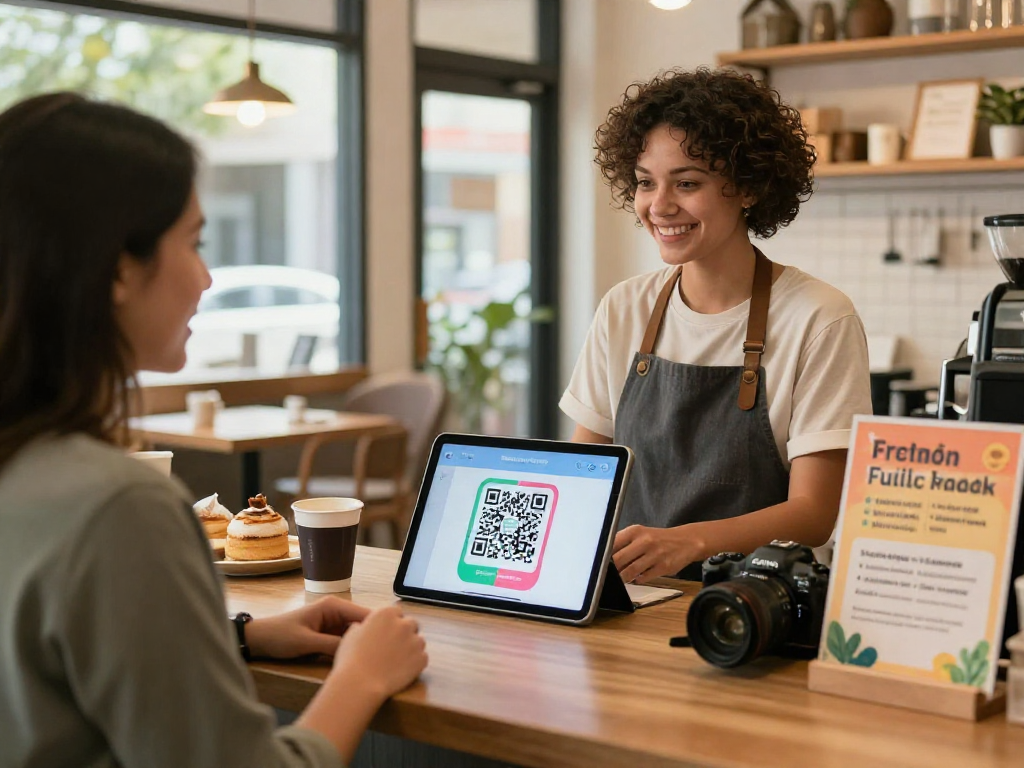
Understanding Loyalty Apps: The Basics
In a rapidly evolving commercial landscape, businesses are increasingly looking for innovative strategies to build and retain a customer base. Enter the loyalty app: a powerful tool that not only rewards customer loyalty but also enhances the overall shopping experience. By leveraging a digital loyalty app, businesses can streamline their marketing efforts, increase foot traffic, and ultimately drive sales.
What is a Loyalty App?
A loyalty app is a digital platform designed to help businesses manage rewards programs effectively. Unlike traditional paper stamp cards, a loyalty app utilizes technology to track customer purchases, reward points, and offer incentives, all through a user-friendly interface accessible via smartphones. This modern approach ensures that customers have a seamless experience, making it easier for them to earn rewards and for businesses to engage with their clientele.
Why Your Business Needs a Loyalty App
Implementing a loyalty app is not just a trend; it’s a necessity for small businesses looking to thrive in a competitive market. Here are several reasons why your establishment should consider adopting a loyalty app:
- Enhanced Customer Engagement: Loyalty apps facilitate direct communication with customers, allowing businesses to send personalized promotions and updates.
- Data-Driven Insights: Apps offer valuable analytics on customer behavior, enabling businesses to tailor their offers and marketing strategies more effectively.
- Increased Repeat Business: Customers who use loyalty programs tend to visit more frequently, boosting overall sales and customer retention.
Key Features to Look for in a Loyalty App
When selecting a loyalty app for your business, consider key features that align with your goals. Look for:
- User-Friendly Interface: The app should be easy for customers to navigate and redeem rewards.
- Customization Options: The ability to tailor the program to fit your brand and customer preferences is crucial.
- Automated Marketing Tools: Features like push notifications and email alerts can help keep customers engaged without additional effort on your part.
Types of Loyalty Programs and Their Benefits
There are several types of loyalty programs that businesses can implement, each with its unique benefits. Understanding these can help you choose the right fit for your business model.
Points-Based Loyalty Programs
Points-based programs reward customers based on their spending. For every dollar spent, customers earn a set number of points, which can be redeemed for discounts or free items. This structure encourages more frequent purchases and higher spending, as customers are motivated to collect points.
Cashback Rewards Systems
Cashback rewards provide customers with a percentage of their purchases back as a credit for future transactions. This not only incentivizes repeat visits but also adds an immediate perceived value to every purchase made, as customers see tangible rewards accumulating over time.
Stamp Cards and Fixed Discounts
Stamp cards are a simple yet effective loyalty strategy, where customers receive a stamp for each purchase, leading to a reward after a certain number of stamps. Fixed discounts, on the other hand, offer immediate price reductions after meeting certain spending thresholds, which can effectively drive sales during slow periods.
Implementing a Loyalty App: Step-by-Step Guide
Setting up a loyalty app may seem daunting, but the process can be broken down into manageable steps.
Choosing the Right Loyalty App for Your Business
Begin by researching various loyalty apps available in the market. Compare features, pricing plans, and user reviews to find an app that best suits your business needs. Consider whether you need a customizable platform or a basic out-of-the-box solution.
Setting Up Your Loyalty Program
Once you’ve chosen an app, the next step is to configure your loyalty program. Define the rewards structure, select promotional strategies, and set up customer communication protocols. Ensure that the onboarding process for customers is as seamless as possible.
Promoting Your Loyalty App to Customers
Awareness is crucial for the success of your loyalty program. Use in-store signage, social media, and email marketing to promote your app. Consider offering an exclusive incentive for customers who download the app or sign up for the loyalty program.
Tracking Success: Measuring Your Loyalty Program's Performance
Once your loyalty program is live, monitoring its performance is vital for long-term success. Effective tracking can help you understand what’s working and what needs adjustment.
Key Metrics to Monitor
Focus on metrics such as customer retention rates, average transaction size, and overall program engagement. These will provide insight into how well your loyalty program is performing and where you might need to focus efforts to improve.
Data Collection and Analytics
A well-designed loyalty app will offer robust analytics features. Track customer behaviors and preferences, and utilize this data to tailor your offerings and marketing strategies. This insight will help you stay competitive within your industry.
Adjusting Strategies Based on Feedback
Collecting customer feedback is essential for evolving your loyalty program. Regularly solicit input from customers through surveys or direct communication to find out what they enjoy about the program and any areas for improvement.
Future Trends in Loyalty Apps for 2026 and Beyond
The world of loyalty apps is continuously evolving, and being aware of upcoming trends can help your business stay ahead of the curve.
Gamification in Loyalty Programs
Gamification introduces game-like elements into reward programs, such as challenges, leaderboards, or achievements. This strategy not only makes the process more enjoyable for users but also encourages them to engage more deeply with the program.
Integration with AI and Automation
As technology advances, integrating AI into loyalty apps will become increasingly common. AI can personalize customer experiences, automate communications, and enhance data analytics capabilities, allowing businesses to deliver tailored offers at scale.
Case Studies of Successful Loyalty Program Implementations
Examining case studies of successful loyalty programs can provide valuable insights into effective strategies and practices. Identify what has worked for others in your industry and consider how you can adapt those strategies to suit your own business.
What are the most common mistakes to avoid when using a loyalty app?
Many businesses fall into common pitfalls, such as overcomplicating reward structures or neglecting customer engagement. To ensure success, keep the experience straightforward and continually interact with your customers.
How can I effectively promote my newly launched loyalty program?
Utilize multiple communication channels to promote your loyalty program effectively. For more information, loyalty app offers valuable insights. Leverage social media, email campaigns, and in-store marketing to raise awareness and encourage sign-ups.
What types of rewards resonate best with customers?
Understanding your target audience is key when deciding on rewards. Offer a mix of tangible rewards (discounts, free products) and experiential incentives (exclusive access to events), as this variety typically appeals to a broader customer base.
How can I ensure my loyalty program remains GDPR compliant?
Staying compliant with GDPR regulations is essential when collecting and processing customer data. Make sure your loyalty program includes transparent data collection practices and provides customers with control over their data.
What are the benefits of switching from paper to digital loyalty cards?
Switching to digital loyalty programs presents numerous advantages, including reduced costs, easier management, and enhanced data tracking. Digital cards also provide a more convenient experience for customers, as they eliminate the hassle of carrying physical cards.