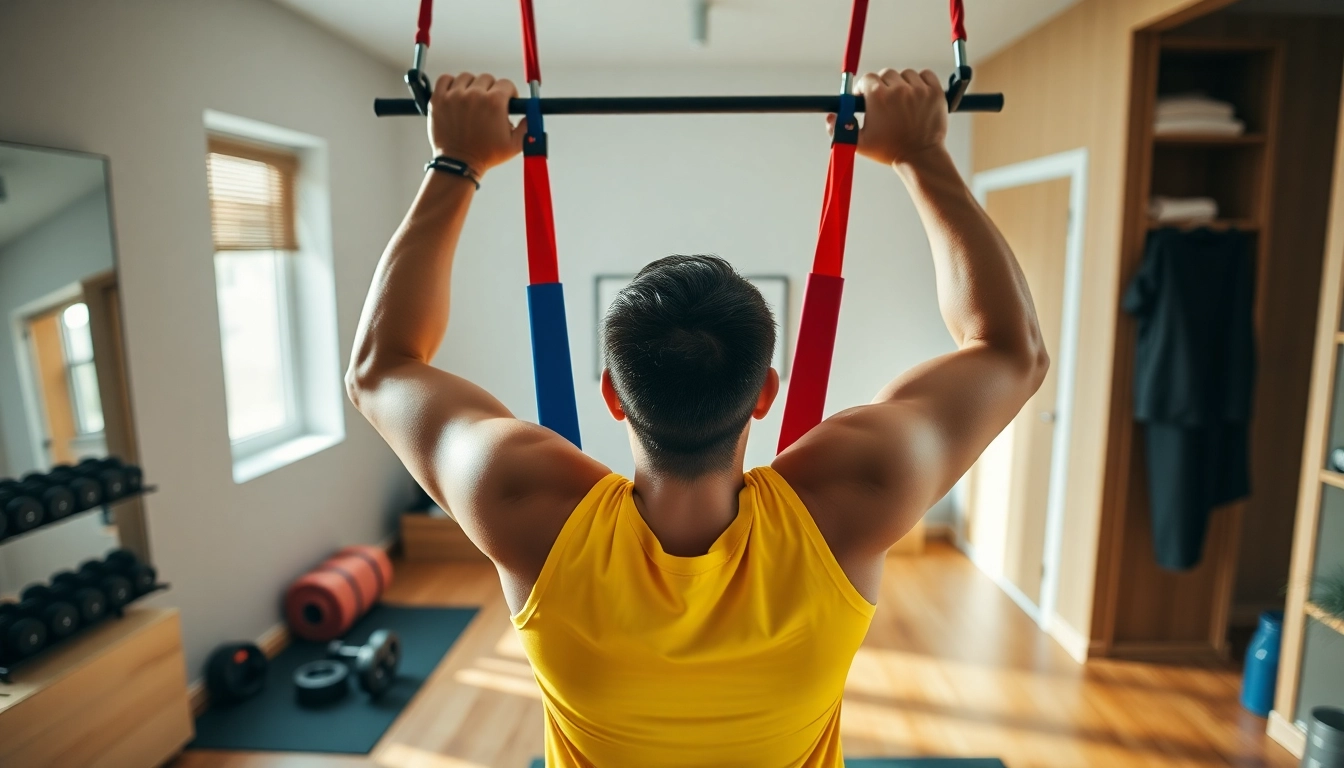
Understanding Assisted Pull-Up Bands
Assisted pull-up bands are an essential tool for anyone looking to enhance their upper body strength, particularly for mastering pull-ups. These bands provide the necessary support to help you achieve your fitness goals, whether you're a beginner attempting your first pull-up or an experienced athlete working to increase your repetitions. When exploring options, assisted pull-up bands offer scalable resistance to accommodate various fitness levels and progressions.
What Are Assisted Pull-Up Bands?
Assisted pull-up bands, often referred to as resistance bands, are elastic bands designed to help individuals perform pull-ups with ease. These bands come in various thicknesses and lengths, allowing you to choose the appropriate level of assistance based on your current strength. Each band typically offers a different resistance level, enabling users to customize their workouts. They are widely used not only for pull-ups but also for other exercises, such as dips and push-ups.
How Assisted Pull-Up Bands Work
The primary function of assisted pull-up bands is to reduce the amount of body weight you need to lift during a pull-up. By anchoring one end of the band to the pull-up bar and placing your knees or feet into the band, you effectively create a counterbalance that assists your upward motion. This mechanism allows users to build strength gradually, making it easier to perform unassisted pull-ups over time.
Benefits of Using Assisted Pull-Up Bands
- Gradual Progression: Assisted pull-up bands enable users to start at a comfortable level while progressively increasing the difficulty.
- Improved Technique: These bands help maintain proper form, which is crucial for avoiding injuries and ensuring that you engage the right muscle groups.
- Versatile Workouts: Beyond pull-ups, these bands can be used for various exercises, maximizing their value in your fitness routine.
- Accessibility: They are ideal for beginners and those recovering from injuries, as they provide the necessary support without placing excessive strain on the muscles.
Choosing the Right Assisted Pull-Up Bands for Your Needs
Different Types of Assisted Pull-Up Bands
When selecting assisted pull-up bands, it is crucial to understand the different types available on the market. The most common variations include flat bands, loop bands, and figure-eight bands. Flat bands are versatile and can be used for various exercises, while loop bands offer more resistance and support during pull-ups. Figure-eight bands are often used for rehabilitation exercises.
How to Determine the Right Resistance Level
Choosing the correct resistance level is vital for effective training with assisted pull-up bands. Most brands categorize their bands by weight, providing a range from light (10-25 lbs) to heavy (over 50 lbs). Beginners should start with a higher resistance band to perform pull-ups comfortably, while more experienced users can opt for bands with lighter resistance to challenge themselves further.
Common Brands and Their Features
Several brands are notable for producing high-quality assisted pull-up bands. Brands like Rogue Fitness, Physix Gear, and WOD Nation offer durable and reliable options. Rogue Fitness bands are known for their robust construction and versatility, while Physix Gear bands are designed to cater to various fitness levels. Always consider the material, stretchability, and size when making a choice.
Best Practices for Training with Assisted Pull-Up Bands
Setting Up Your Workout Environment
Creating an optimal workout environment is essential for effectively using assisted pull-up bands. Ensure you have a sturdy pull-up bar installed at an appropriate height, allowing you to perform exercises comfortably. Additionally, have ample space around you to move freely without obstruction, which is crucial for safety and motivation.
Warm-Up and Cool-Down Techniques
Engaging in a proper warm-up before using assisted pull-up bands helps prepare your muscles for the workout. Dynamic stretches, such as arm circles and shoulder rolls, can effectively loosen your muscles and joints. After your workout, cool down with static stretches targeting the upper body, which aids in recovery and flexibility.
Common Mistakes to Avoid
- Using Incorrect Resistance: Selecting a band that is too light or too heavy can hinder your progress and lead to poor form.
- Neglecting Form: Focusing solely on completing repetitions can lead to improper form, increasing the risk of injury.
- Overtraining: It is essential to allow your muscles time to recover and avoid training too frequently to prevent fatigue and injury.
Advanced Techniques for Enhanced Strength Training
Integrating Assisted Pull-Up Bands with Other Exercises
For a comprehensive workout routine, consider integrating assisted pull-up bands with other exercises. Pair them with compound movements like squats, deadlifts, and bench press to enhance overall strength. This combination can lead to improved results in not only your pull-up strength but also general fitness levels.
Tracking Progress and Performance Metrics
To see continued improvement in your pull-up ability, tracking your progress is vital. Keep a workout journal detailing the resistance levels you use, the number of repetitions completed, and how your form feels. Utilizing performance metrics allows you to adjust your workouts effectively and celebrate your achievements.
When to Progress to Unassisted Pull-Ups
Knowing when to transition to unassisted pull-ups is crucial for your training journey. Once you can perform 10-15 pull-ups with assistance consistently, it is likely time to reduce the support gradually. This progression could involve switching to lighter bands or performing negatives (lowering yourself slowly from the pull-up position) to develop strength further.
Future Trends and Innovations in Resistance Training
Emerging Technologies in Fitness Equipment
The future of resistance training is promising, with advancements in technology transforming how we exercise. Smart resistance bands that track progress and offer guided workouts are on the rise, providing users with a personalized training experience. These innovations aim to optimize workouts and enhance the effectiveness of exercises like assisted pull-ups.
Predicted Developments for Resistance Bands by 2026
By 2026, we can expect further enhancements in resistance band designs, including more eco-friendly materials and improved elasticity for better durability and performance. Additionally, integration with apps may become standard, allowing users to monitor their workouts, track progress, and receive feedback in real-time.
Expert Insights on the Future of Pull-Up Training
Experts predict that as more individuals seek functional fitness solutions, the demand for versatile training aids like assisted pull-up bands will continue to increase. This shift indicates a growing recognition of the importance of strength training in overall health and fitness, further solidifying assisted pull-up bands as a staple in personal fitness regimens.