
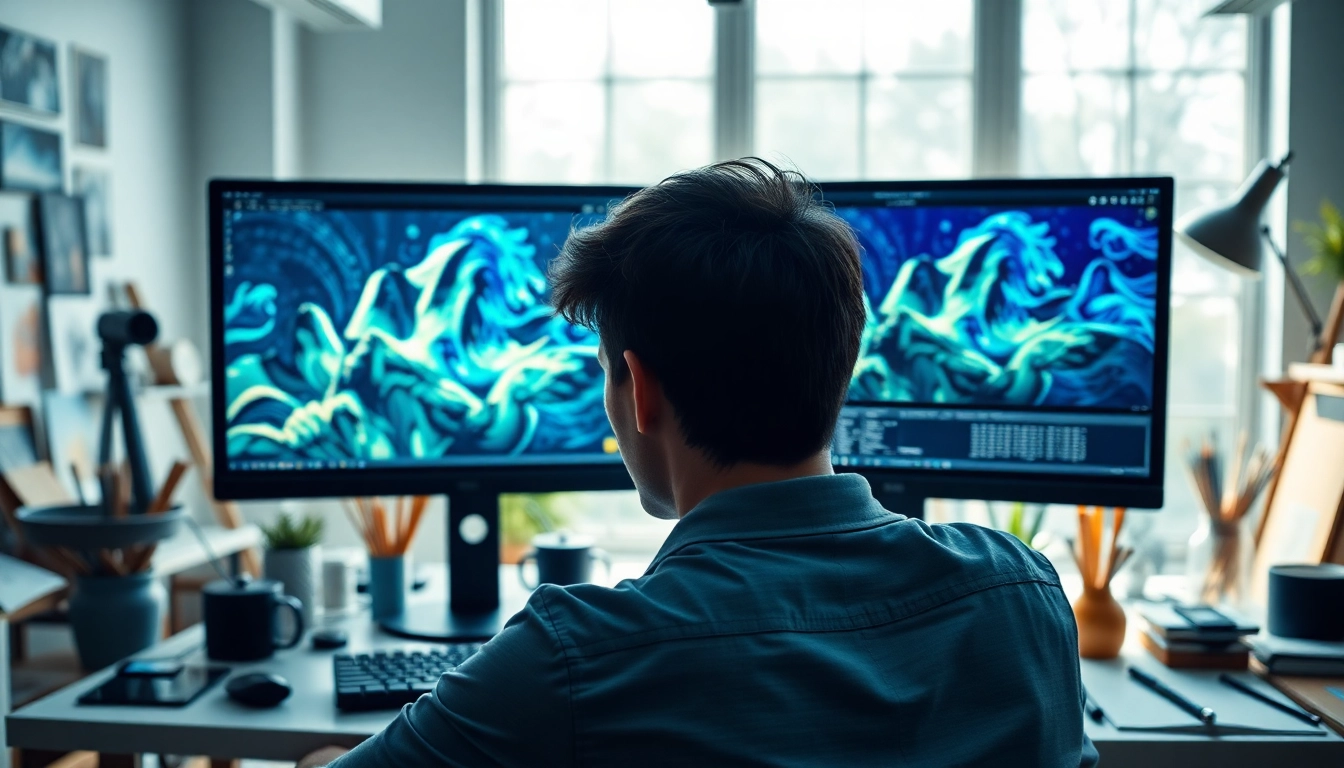
Understanding Image to Image Conversion
What is Image to Image Technology?
Image to image technology refers to a set of processes that transfer the features of one image to another, essentially transforming the visual aspect while preserving essential details or altering them creatively. This technology primarily utilizes algorithms that analyze input images to generate variations or completely new images based on specific requirements. The power of image to image conversion lies in its versatility—it can create artistic styles, enhance photos, or even aid in scientific analyses.
Applications of Image to Image in Various Fields
The applications for image to image conversion are extensive and span multiple fields:
- Art and Creative Design: Artists leverage this technology to experiment with different styles and generate artwork inspired by existing pieces.
- Medical Imaging: In the medical field, enhanced image conversion techniques are employed to improve diagnostic imaging, aiding in better visibility of diseases.
- Fashion and Retail: Fashion designers utilize image transformations to visualize clothing designs and patterns on models before production.
- Film and Animation: Image to image techniques are pivotal in creating unique visual effects and animations, transforming sketches into full-motion visuals.
- Virtual Reality: Enhancements to images can facilitate immersive experiences in virtual environments, representing lifelike graphics.
How Image to Image Works: A Technical Overview
The technical workings of image to image transformation involve several key steps, relying heavily on artificial intelligence and machine learning techniques:
- Image Input: Initially, an input image is fed into the system, which can vary in format from simple sketches to high-definition photos.
- Feature Extraction: The algorithm identifies and extracts relevant features of the input image, focusing on colors, shapes, and patterns.
- Transformation Rules: Based on objectives set by the user, specific rules or algorithms are applied to generate an output image that embodies the desired attributes.
- Output Generation: Finally, the system compiles the data to render a new image, one that could either closely resemble the original or present a creative interpretation.
Best Practices for Effective Image to Image Transformation
Choosing the Right Tools for Image to Image
Utilizing the appropriate tools is critical for successful image to image projects. Open-source software like TensorFlow or specialized applications like DeepArt and StyleGAN are popular options. Evaluate tools based on:
- User interface and usability
- Available features and functionality
- Community support and documentation
- Performance and speed
Setting Goals for Image to Image Projects
Clear objectives are paramount for any project involving image to image conversion. Goals could include enhancing image quality, achieving specific artistic styles, or generating creative visuals for marketing. Having SMART (Specific, Measurable, Achievable, Relevant, Time-bound) goals helps maintain focus and direction throughout the project lifecycle.
Common Mistakes to Avoid in Image to Image Conversion
There are several pitfalls to be wary of during image to image conversion:
- Poor Quality Input: Low-resolution images can result in undesirable and sloppy outputs.
- Lack of Clear Direction: Without defined goals, results may align poorly with users’ expectations.
- Ignoring User Needs: Not considering the needs of the end-user can lead to ineffective and unimpactful images.
- Inadequate Testing: Overlooking testing of the output images can result in years of improvement lost due to faulty starting points.
Advanced Techniques in Image to Image Processing
Leveraging AI in Image to Image Workflows
Artificial intelligence (AI) fundamentally transforms how images are handled. Using generative adversarial networks (GANs), AI can analyze the content and context of images to create more sophisticated outputs. These AI systems can adapt over time, learning from adjustments and improving effectiveness in image manipulation and transformation.
Enhancing Quality with Filters and Adjustments
Applying various filters can significantly improve the outcome of image to image transformations. From basic brightness and contrast adjustments to advanced techniques like neural filters, experimenting with these tools can yield better quality images and enhance visual aesthetics.
Case Studies in Successful Image to Image Applications
Examining successful implementations of image to image conversions offers valuable insights:
- Medical Imaging: A hospital applied image to image techniques during MRI scans to outline tumors more clearly, resulting in faster and more accurate diagnoses.
- Cinematic Visual Effects: A small production team used image transformation technology to create imaginative visual scenes that captivated audiences without hefty budgets.
Measuring Success in Image to Image Projects
Key Performance Metrics for Image to Image
To assess the effectiveness of image to image projects, several metrics are useful:
- User Satisfaction: Surveying user experience and satisfaction can provide insights into how well the images meet expectations.
- Time Efficiency: Tracking the time taken from concept to completion can help gauge efficiency improvements in processes.
- Technical Quality: Evaluating the resolutions, clarity, and overall quality of generated images against industry standards is essential.
Gathering User Feedback on Image to Image Outputs
Collecting user feedback is a crucial step in refining image transformation processes. Regularly engaging with users to understand their needs and preferences can lead to impactful adjustments and drive successful project outcomes.
Iterative Improvements in Image to Image Techniques
Image to image conversion is an ongoing process. Utilize feedback and performance metrics to make iterative changes that enhance output quality and meet user needs more effectively. Adopting a mindset of continuous improvement ensures that projects evolve with changing technologies and user expectations.
Future Trends in Image to Image Development
Emerging Technologies Impacting Image to Image
The field of image to image conversion is rapidly evolving, fueled by advancements in AI and machine learning. Technologies like augmented reality (AR) and virtual reality (VR) are shaping the future, pushing the boundaries of what’s possible in image manipulation. Enhanced algorithms will enable greater realism in synthetic images, making the technology even more useful across industries.
Predictions for the Future of Image to Image Usage
As image to image technologies mature, we can foresee a surge in automation across various sectors—from personal photography enhancements to real-time rendering for broadcasts. Increased accessibility to powerful tools will empower more creators and innovators to explore their visual storytelling capabilities.
Preparing for the Future Landscape of Image to Image
To stay ahead in the future of image to image technology, stakeholders should focus on learning and adapting quickly to emerging trends. Investing in continuous education, embracing new tools, and cultivating adaptability will become essential strategies for success in this dynamic landscape.