Understanding Structural Steel Fabrication
Structural steel fabrication is a vital process that involves the transformation of steel sheets into structures that serve various applications in the construction industry. This intricate procedure not only shapes the raw material into usable pieces but also plays a pivotal role in ensuring the durability and safety of structures ranging from skyscrapers to bridges. As the demand for robust yet lightweight materials continues to rise, the significance of structural steel fabrication becomes increasingly evident.
What is Structural Steel Fabrication?
Structural steel fabrication refers to the process of creating steel structures by cutting, bending, and assembling steel materials. Typically performed in specialized facilities known as fabrication shops, this technique involves various operations to produce components that conform to specifications outlined in design documents. Structural steel is preferred in construction due to its high strength-to-weight ratio, versatility, and resistance to both natural elements and fire.
Importance of Structural Steel Fabrication in Construction
The importance of structural steel fabrication cannot be overstated, as it plays a crucial role in numerous aspects of construction:
- Safety: Structures built with high-quality fabricated steel components are durable and reliable, significantly reducing the risk of failures.
- Speed: Prefabrication techniques allow for quicker construction timelines as components can be manufactured while site preparations are underway.
- Cost-Effectiveness: Efficient processes in fabrication minimize waste, thus reducing overall costs.
- Design Flexibility: Structural steel's adaptability allows architects to innovate and push the boundaries of design.
Key Components of the Fabrication Process
A successful fabrication process includes several key components:
- Design and Drafting: Using software like CAD to create precise fabrication drawings.
- Material Selection: Choosing appropriate steel types that meet design specifications and structural requirements.
- Cutting and Shaping: Transforming raw steel into specific shapes required for construction.
- Assembly and Welding: Joining different parts to create the final structural elements.
- Finishing: Applying protective coatings and treatments to enhance durability.
Tools and Equipment Used in Steel Fabrication
To execute structural steel fabrication efficiently, a range of tools and equipment is essential. These tools enhance productivity, ensure precision, and elevate safety standards.
Essential Tools for Structural Steel Fabrication
Some of the essential tools include:
- Cutting Tools: Band saws, plasma cutters, and oxy-fuel cutting torches provide various options for precise cutting.
- Bending Equipment: Press brakes and roll benders are used to create bends in steel that suit design needs.
- Drilling Machines: These are used to create holes for bolts and other connection methods.
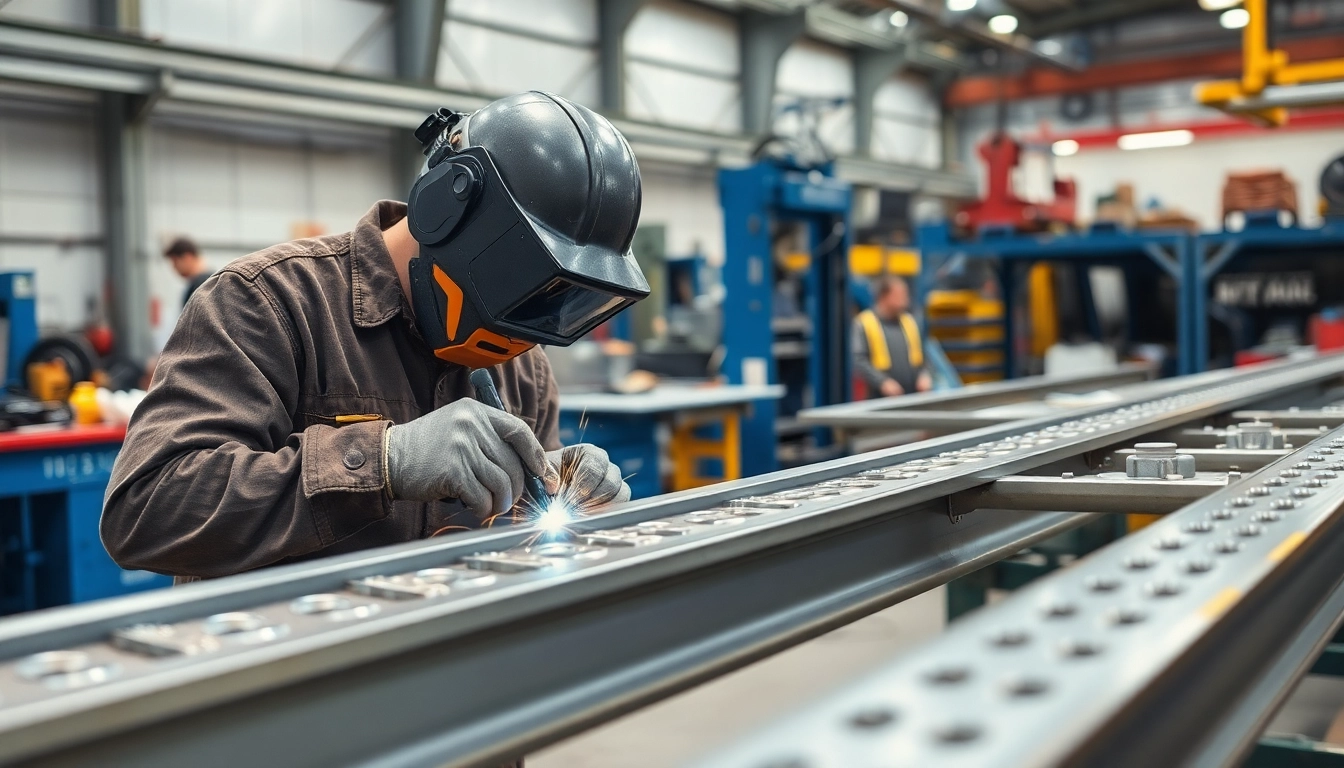
- Welding Tools: MIG, TIG, and stick welders are essential for various assembly methods.
Advanced Machinery Enhancing Fabrication Efficiency
In recent years, advancements in machinery have revolutionized structural steel fabrication:
- Robotic Welders: These machines improve accuracy and speed, leading to enhanced productivity.
- CNC Machines: Computer Numerical Control machines automate cutting, drilling, and forming processes, ensuring both quality and efficiency.
- Laser Cutters: Offering high precision, laser cutters have become staples for intricate designs and specifications.
Safety Equipment and Protocols
Safety is paramount in structural steel fabrication, and the following safety equipment and protocols are crucial:
- Personal Protective Equipment (PPE): Hard hats, gloves, goggles, and steel-toed boots protect workers from potential hazards.
- Safety Training: Regular training on equipment use and safety protocols ensures a culture of safety among workers.
- Workplace Safety Policies: Established policies govern machine operation, lifting protocols, and emergency procedures.
Techniques for Effective Structural Steel Fabrication
Effective fabrication hinges on various techniques aimed at improving quality and ensuring durability. Techniques often evolve with advancements in technology and materials.
Welding Techniques for Stronger Connections
Welding is a fundamental joining process in steel fabrication. Key techniques include:
- MIG (Metal Inert Gas) Welding: Favored for its speed and ease of use, MIG welding is ideal for thin and thick steel.
- TIG (Tungsten Inert Gas) Welding: Offering high precision, TIG welding is preferable for intricate work and thin materials.
- Stick Welding: Also known as Shielded Metal Arc Welding (SMAW), this technique is suitable for outdoor work due to its versatility.
Cutting and Shaping Steel: Methods and Tools
The cutting and shaping of steel must be performed with careful consideration of the intended application. Common methods include:
- Plasma Cutting: This method utilizes a high-velocity stream of ionized gas to cut through steel, offering precision and speed.
- Oxy-Fuel Cutting: A traditional method that combines oxygen and fuel gas to cut metal, often used for thicker materials.
- Waterjet Cutting: This technique uses high-pressure water mixed with abrasive particles, suitable for a variety of materials.
Quality Control in Steel Fabrication
Quality control is essential in ensuring that fabricated steel components meet industry standards and client expectations. This process includes:
- Inspection: Regular inspection at different fabrication stages to ensure compliance with specifications.
- Testing: Using various testing techniques, including tensile strength and impact testing, to assess material performance.
- Documentation: Keeping detailed records of inspections and tests to ensure traceability and accountability.
Challenges in Structural Steel Fabrication
While advancements in technology have improved the fabrication process, several challenges persist. Understanding these challenges is vital for effective management.
Common Fabrication Challenges and Solutions
Some common challenges in structural steel fabrication include:
- Material Fluctuations: Variability in raw material quality can lead to inconsistencies in the final product. To mitigate this, establish strong relationships with reliable suppliers and implement rigorous quality checks.
- Labor Shortages: A skilled labor shortage can hinder production. Investing in training and adopting automation technologies can alleviate this issue.
- Design Changes: Last-minute design modifications can disrupt workflows. Employing competent project management practices helps manage expectations and timelines effectively.
Managing Costs and Resources Effectively
Cost management is crucial in keeping projects within budget while ensuring quality. Strategies include:
- Streamlining Processes: Analyzing workflows to eliminate redundancies can improve efficiency and lower costs.
- Inventory Management: Maintaining optimal stock levels prevents over-purchasing while ensuring that materials are available when needed.
- Outsourcing Non-Core Activities: By outsourcing certain fabrication tasks, resources can be better allocated to critical operations.
Ensuring Compliance with Industry Standards
Adhering to industry standards is crucial to ensure safety, quality, and regulatory compliance. Key standards include:
- AISC (American Institute of Steel Construction): Provides guidelines for steel structures to ensure safety and performance.
- ASTM (American Society for Testing and Materials): Sets standards for material specifications and testing methods.
- ISO (International Organization for Standardization): Standards for quality management systems that promote consistent quality and safety.
Future Trends in Structural Steel Fabrication
The landscape of structural steel fabrication is changing rapidly. Emerging trends point to a future defined by innovation, efficiency, and sustainability.
Innovations Shaping the Future of Fabrication
Innovative technologies are reshaping how structural steel is fabricated:
- Building Information Modeling (BIM): BIM enhances collaboration among project stakeholders by providing a digital representation of the physical and functional characteristics of the project.
- Additive Manufacturing: While still evolving, 3D printing is emerging as a tool for creating complex steel components that would be difficult or impossible to manufacture using traditional methods.
- Smart Manufacturing: Integrating IoT (Internet of Things) technology allows for real-time monitoring of fabrication processes, leading to improved efficiency and reduced downtime.
Sustainable Practices in Steel Manufacturing
The construction industry is under increasing pressure to adopt sustainable practices:
- Recycling Materials: Using recycled steel not only conserves resources but also reduces emissions associated with steel production.
- Green Certifications: Obtaining certifications such as LEED (Leadership in Energy and Environmental Design) can enhance marketability and demonstrate commitment to sustainability.
- Energy-Efficient Operations: Implementing energy-efficient machinery and practices can significantly reduce the carbon footprint of fabrication facilities.
The Role of Technology and Automation
As technology continues to advance, its impact on structural steel fabrication grows. Key areas where technology plays an influential role include:
- Automation: Robotic systems for welding and assembly reduce labor costs and improve accuracy.
- Data Analytics: Collecting and analyzing data aids in identifying trends, which can inform production adjustments and enhance decision-making.
- Remote Monitoring: Technologies that allow for remote monitoring and management of fabrication processes improve oversight and allow for quicker reactions to issues.